There is nothing that kills a five-star reputation faster than scuffing a client’s hardwood floors or leaving dust on their coffee table. You might be the best technician in town, but if you treat a living room like a warehouse, the customer won’t remember your technical skills. They will remember the mess.
Working in occupied homes requires a completely different mindset than working in empty construction sites or commercial spaces. When a family is present, you are not just installing equipment; you are entering their personal sanctuary. The difference between a good installer and a great one often comes down to how well they protect the environment around them.
The Psychology of the Occupied Job Site
Before you even unpack your tools, you need to understand the dynamic at play. An occupied home means distractions. It means children running by, pets wandering underfoot, and homeowners hovering with anxiety about their belongings. This pressure can lead to mistakes if you aren't prepared.
Think about it: when was the last time you felt truly relaxed while someone else was drilling into your walls? Probably never. Your customers feel the same way. Your behavior sets the tone. If you look organized and respectful, they relax. If you look chaotic, they panic. That panic makes them micromanage you, which slows you down and increases the chance of error.
To manage this, you need to establish boundaries immediately. Ask where the "no-go" zones are. Identify the fragile items before you trip over them. Acknowledge the presence of pets and kids without making it awkward. This isn't just politeness; it's risk management. By addressing these factors upfront, you reduce the likelihood of accidents and build trust from minute one.
Floor Protection: The First Line of Defense
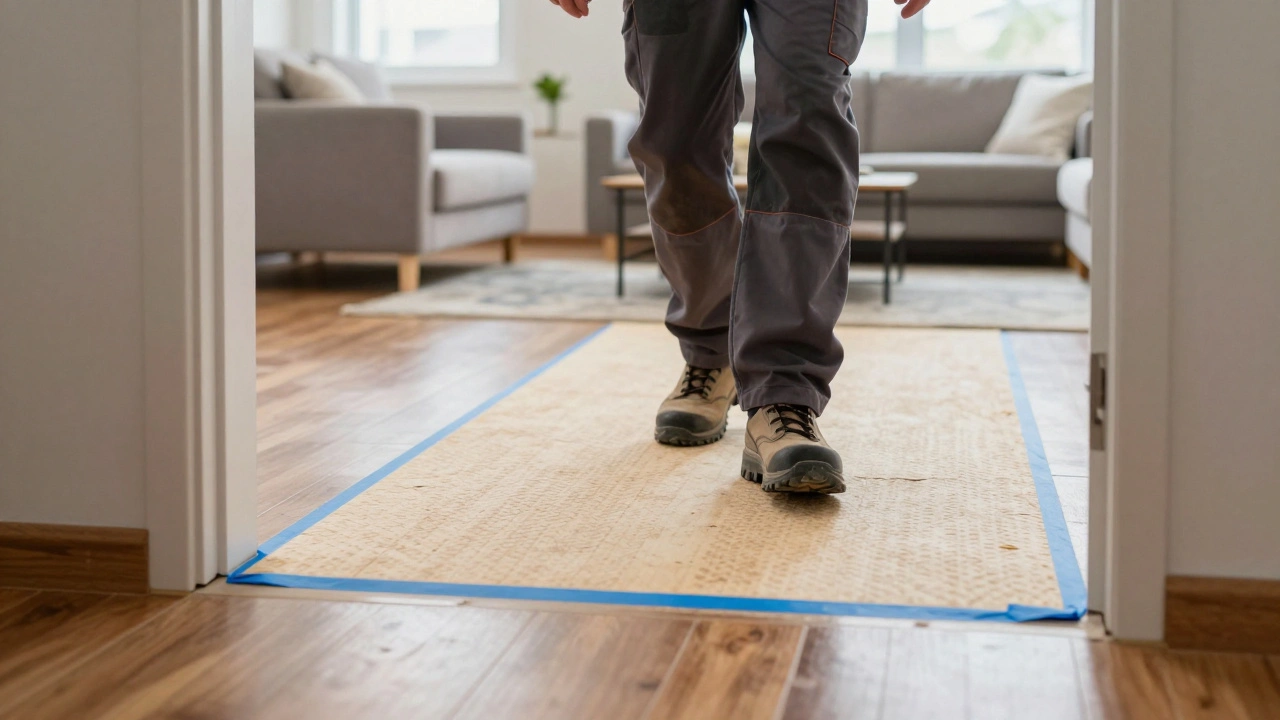
If there is one rule in residential service operations, it is this: never put your boots directly on finished flooring. Period. Carpet fibers trap dirt and grit, which then gets ground into the weave. Hardwood scratches easily. Tile grout stains permanently. Protecting the floor is non-negotiable.
However, throwing down a random piece of cardboard isn't enough. Cardboard absorbs moisture from muddy shoes and tears when dragged. You need a proper system. Here is what works best:
- Ram Board or Masonite Sheets: These are rigid, smooth surfaces that slide easily. They provide a barrier against heavy toolboxes and ladders. Use these for high-traffic areas and where you will be standing for long periods.
- Polyethylene Drop Cloths: Plastic drop cloths are better than canvas for wet jobs or dusty environments. Canvas absorbs water and becomes heavy and dirty. Plastic wipes clean. Use these for general coverage.
- Painter’s Tape (Blue or Green): Never use masking tape on fresh paint or delicate trim. Blue painter's tape removes cleanly without leaving residue. Use it to secure your drop cloths so they don't slip when you walk on them.
Create a "clean path" from the entry point to the work area. Lay down your protection before you bring any tools inside. If you have to move furniture, place a sheet under it before lifting. This small effort prevents scratches and shows the homeowner that you care about their space as much as they do.
Dust Control and Air Quality
Dust is the enemy of both cleanliness and health. Drywall dust, insulation particles, and wood shavings can circulate through HVAC systems, settling in rooms far away from your work zone. In an occupied home, this is unacceptable. Families with allergies, asthma, or young children are particularly vulnerable.
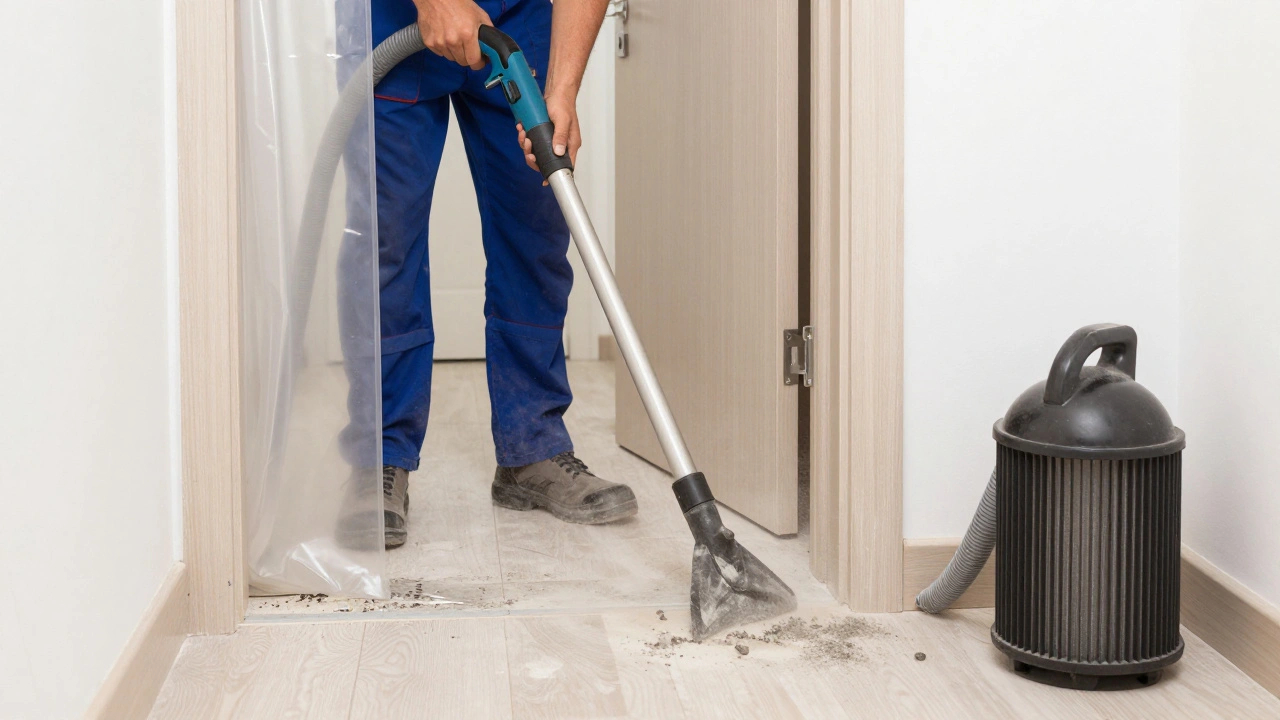
You cannot stop all dust, but you can contain it. Start by sealing off the work area. Use plastic sheeting to cover doorways and vents. If you are cutting drywall or sanding, use a vacuum-equipped saw. Tools like the DeWalt or Milwaukee brushless vacuums attach directly to power tools, capturing up to 90% of debris at the source.
For airborne particles, wear a respirator. It protects you, and it signals to the homeowner that you take safety seriously. After the job, do not just sweep. Sweepings kick dust back into the air. Use a HEPA-filter vacuum cleaner. Standard shop vacs blow fine particles right back out the exhaust. A HEPA filter traps microscopic dust, ensuring the air quality returns to normal quickly.
| Method | Effectiveness | Best Use Case | Cost Level |
|---|---|---|---|
| Standard Shop Vac | Low | Large debris only | Low |
| HEPA Vacuum | High | Fine dust, allergens | Medium |
| Vacuum-Equipped Tools | Very High | Cutting, sanding | High |
| Plastic Sealing | Medium | Containment of work zone | Low |
Tool Organization and Workspace Management
A cluttered workspace is a dangerous workspace. In an occupied home, every tool left on the floor is a tripping hazard for kids and pets. It also looks unprofessional. Homeowners notice when your toolbox is overflowing and cables are tangled across the hallway.
Adopt a "tool shadow" system. Keep your most-used tools in designated spots within your cart or bag. When you finish using a drill, it goes back immediately. Do not set it on the counter. Do not leave it on the floor. This habit speeds up your work because you always know where things are, and it keeps the home tidy.
Manage your cables carefully. Extension cords should be taped down along baseboards or run through doorways with cord covers. Loose cords are the number one cause of slips and falls in residential settings. Use cable organizers or velcro ties to bundle excess length. A neat electrical setup looks intentional and safe.
Designate a "clean zone" for yourself. This is where you sit, eat, or take breaks. Keep this area free of work debris. If you spill something, clean it up instantly. Do not wait until the end of the day. Immediate cleanup prevents stains and odors from setting in.
Interaction with Residents: Pets, Kids, and Privacy
People are part of the environment. You must navigate around them respectfully. Always ask permission before moving furniture or entering closed rooms. Some homeowners keep valuables or sensitive documents in specific areas. Respecting privacy builds immense trust.
Pets can be unpredictable. A curious dog might chew on your extension cord. A cat might jump onto your open toolbox. Keep your tools closed and secured when not in use. If a pet approaches, calmly redirect it or ask the owner to help. Never shout at animals; it stresses the homeowner and creates tension.
Children are even more variable. They may try to touch your tools or follow you everywhere. Politely explain that your tools are dangerous and ask them to stay behind the tape line. Engage them briefly if they seem interested-show them a cool gadget-but keep the interaction professional. Do not let them handle anything sharp or heavy.
The Final Walkthrough: Leaving No Trace
The job is not done when the installation is complete. It is done when the home looks exactly as it did before you arrived, minus the problem you fixed. The final walkthrough is your chance to impress the customer one last time.
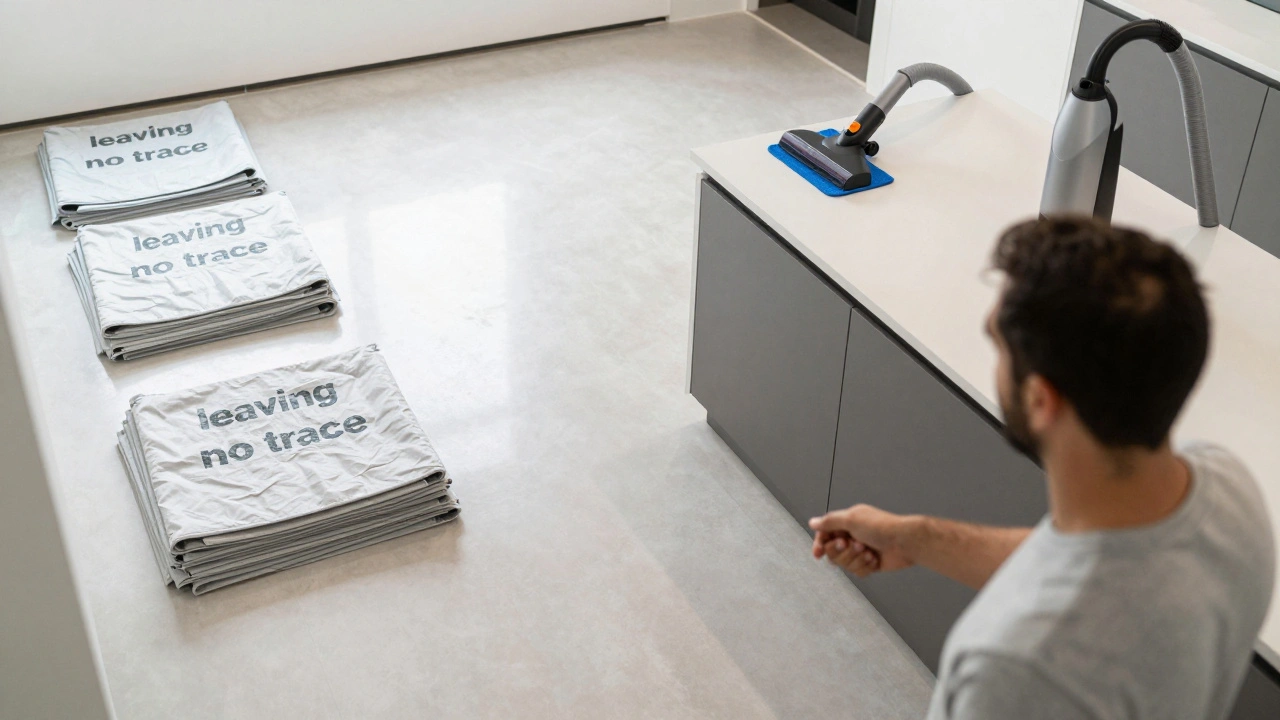
Start by removing all protective materials. Fold your drop cloths neatly and store them in your truck. Do not leave crumpled plastic bags lying around. Vacuum the entire work area again, including baseboards and window sills. Wipe down any surfaces you touched with a microfiber cloth. Remove fingerprints from light switches and door handles.
Check for stray screws, nails, or packaging materials. Pick up every piece of trash. Take your empty boxes and containers with you. Do not leave waste for the homeowner to dispose of. This is a basic courtesy that many technicians skip, but it makes a huge difference.
Invite the homeowner to inspect the work. Point out what you did, how it works, and answer any questions. Show them how to operate the new system. This education step reduces future support calls and leaves them feeling confident and cared for.
Why Cleanliness Drives Business Growth
In the service industry, word-of-mouth is everything. A clean job site leads to positive reviews. Positive reviews lead to referrals. Referrals lead to steady income. Conversely, a messy job site leads to complaints. Complaints lead to negative online ratings. Negative ratings kill business.
Consider the ROI of cleanliness. The cost of drop cloths, tape, and extra vacuuming time is minimal compared to the value of a loyal customer. A homeowner who trusts you will hire you again for future projects. They will recommend you to friends and neighbors. They will pay premium prices because they know you respect their home.
Professionalism is not just about technical skill. It is about the entire experience. From the moment you knock on the door to the moment you drive away, every action counts. Protecting the home and maintaining cleanliness is the easiest way to demonstrate that professionalism.
What is the best material for protecting hardwood floors during installation?
Ram board or masonite sheets are the best options. They are rigid, prevent scratches from heavy tools, and slide easily. Avoid cardboard as it absorbs moisture and tears. Secure the boards with blue painter's tape to prevent slipping.
How do I handle dust when working in an occupied home with children?
Seal off the work area with plastic sheeting. Use vacuum-equipped power tools to capture dust at the source. Wear a respirator to protect yourself and signal safety. Afterward, use a HEPA-filter vacuum to remove fine particles from the air and surfaces.
Should I bring my own cleaning supplies for the job site?
Yes. Bring microfiber cloths, all-purpose cleaner, and a portable vacuum. Relying on the homeowner's supplies can be awkward and inefficient. Having your own kit ensures you can clean thoroughly and leave no trace of your work.
What should I do if a pet damages my equipment?
Stay calm and do not blame the animal. Inform the homeowner politely and assess the damage. Most homeowners will appreciate your professionalism and may offer compensation. Prevent future incidents by keeping tools secured and asking owners to supervise pets.
How long should the final cleanup take?
Plan for 15-30 minutes of dedicated cleanup time after the installation is complete. This includes removing protection, vacuuming, wiping surfaces, and disposing of trash. Rushing this step undermines the quality of your entire job.