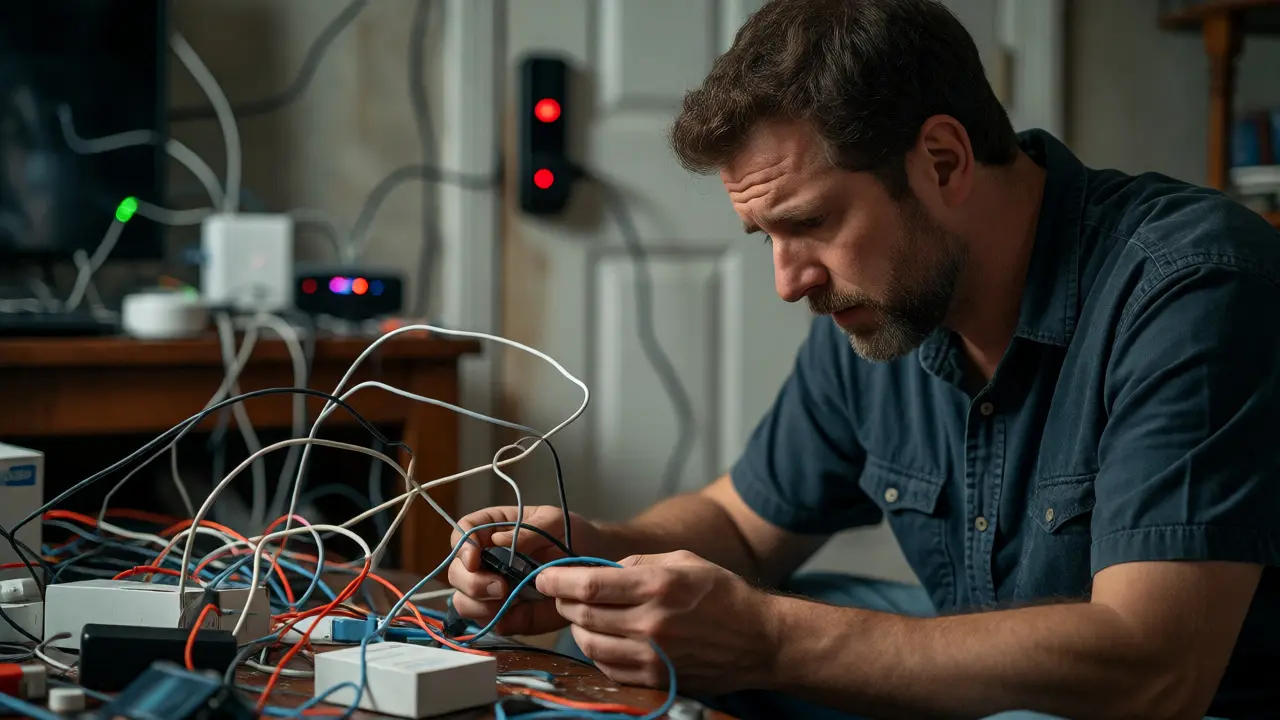
You just bought a $200 smart lock and a $300 hub. You spent all weekend reading forums, watching YouTube tutorials, and staring at wires that look like spaghetti. Then, on Monday morning, your door won't unlock, your lights flicker randomly, and you realize you’ve spent more time troubleshooting than actually enjoying your house. Sound familiar? It’s the classic trap of professional smart home installation. We think we can do it ourselves because the marketing makes it look easy-"Plug in, pair, play." But the reality is often a tangled mess of incompatible protocols, Wi-Fi dead zones, and firmware updates that break everything overnight.
Here’s the hard truth: smart homes aren’t just gadgets; they’re integrated systems. When you hire a pro, you aren’t just paying for someone to screw things into the wall. You’re paying for architecture, reliability, and future-proofing. In Portland, where older housing stock meets modern tech demands, this distinction matters even more. Let’s break down why handing over the keys to an expert usually saves you money, sanity, and security headaches in the long run.
The Hidden Complexity Behind "Plug-and-Play" Devices
Marketing brochures love the term "plug-and-play," but they leave out the part about network congestion and protocol conflicts. A typical modern smart home involves devices speaking different languages. Some use Zigbee, a low-power wireless communication standard used by many smart bulbs and sensors, others rely on Z-Wave, and the latest ones are jumping onto Matter over Thread. If you buy a Zigbee bulb and try to connect it directly to a Wi-Fi-only router without a proper hub, it simply won’t work. Or worse, it will work intermittently.
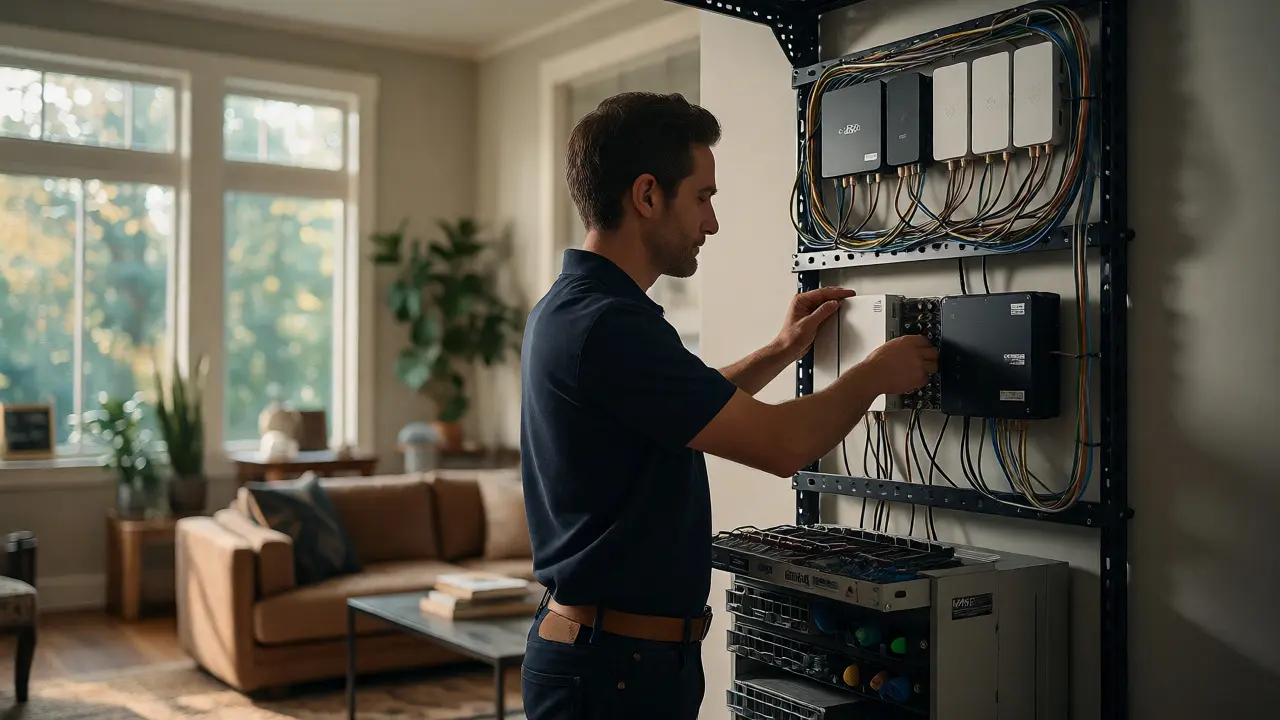
A professional installer acts as a translator and architect. They assess your existing electrical panel, check your Wi-Fi signal strength in every corner of your home, and choose devices that communicate seamlessly. For instance, if you have thick brick walls or multiple floors, a single Wi-Fi access point might not cut it. A pro knows to install mesh nodes or dedicated hubs to ensure commands reach their destination instantly. Without this planning, you end up with "smart" devices that require three tries to turn off, defeating the entire purpose of automation.
Security Risks of DIY Setups
Think about what a smart home actually is: a network of microcomputers connected to the internet, controlling physical access to your house. That’s a massive attack surface. When you set up devices yourself, you often skip critical security steps. Did you change the default password on your camera? Did you segment your IoT devices onto a separate VLAN (Virtual Local Area Network) so that a hacked toaster can’t see your laptop files?
Most homeowners don’t know what a VLAN is, let alone how to configure one. This leaves your personal data vulnerable. There have been numerous reports of cheap smart cameras leaking video feeds publicly because users didn’t update firmware or secure their cloud accounts properly. A certified installer doesn’t just mount the device; they configure the network security settings, enable two-factor authentication, and ensure that your devices are isolated from your main computer traffic. They treat your home network like a bank vault, not an open playground. This level of scrutiny is rarely replicated in a rushed weekend project.
Integration and Interoperability Challenges
The dream of a smart home is seamless integration. You want your thermostat to lower when you say "Goodnight," your locks to engage, and your lights to dim-all with one voice command. Achieving this requires more than just buying compatible brands; it requires configuring scenes and automations that make logical sense.
DIY enthusiasts often struggle with platform fragmentation. You might have Alexa for voice control, Apple HomeKit for privacy, and Google Home for compatibility. Trying to get these ecosystems to talk to each other without a central controller like Home Assistant can lead to conflicting rules. For example, if your motion sensor triggers the lights via Alexa, but your manual switch turns them off via Z-Wave, you might create a loop where the lights fight each other. Professionals use middleware software and robust hubs to unify these controls. They map out the logic before installing hardware, ensuring that "Away Mode" actually means away mode, not just a collection of half-working timers.
| Factor | DIY Approach | Professional Installation |
|---|---|---|
| Initial Cost | Lower upfront (labor only) | Higher upfront (labor + expertise) |
| Network Stability | Often fragmented, relies on consumer-grade routers | Optimized with mesh networks, dedicated hubs, and VLANs |
| Device Compatibility | Risk of protocol mismatches (Zigbee/Z-Wave/Wi-Fi) | Curated ecosystem ensuring full interoperability |
| Time Investment | High (research, troubleshooting, re-wiring) | Low (hands-off experience) |
| Warranty & Support | Manufacturer warranty only; no system-level support | Installer warranty on workmanship + ongoing service contracts |
Electrical Safety and Code Compliance
Not all smart devices are plug-in toys. Many high-end solutions, like smart switches, motorized blinds, or whole-home audio systems, require hardwiring. This is where DIY gets dangerous. Working with line voltage (120V or 240V) isn’t something to learn from a blog post. One mistake with a neutral wire-which many older homes lack in switch boxes-can fry your new smart switch or, worse, cause an electrical fire.
In Oregon, electrical codes are strict. If you sell your home later, an inspector might flag non-compliant wiring done by an unlicensed person. Professional installers are licensed electricians or certified technicians who understand local building codes. They know how to handle load-bearing issues, such as ensuring your transformer can handle the wattage of new LED fixtures controlled by a smart dimmer. They also label circuits correctly, which sounds trivial until you’re trying to troubleshoot a power outage three years from now. Proper labeling and safe termination of wires are hallmarks of a pro job.
Long-Term Value and Resale Potential
Let’s talk numbers. A poorly executed smart home can actually hurt your property value. Buyers today are tech-savvy. If they walk through a house and find a tangle of exposed wires, a blinking red light on a hub they don’t understand, or apps that require five different passwords, they see hassle. They might ask for a price reduction to cover the cost of ripping out and replacing the system.
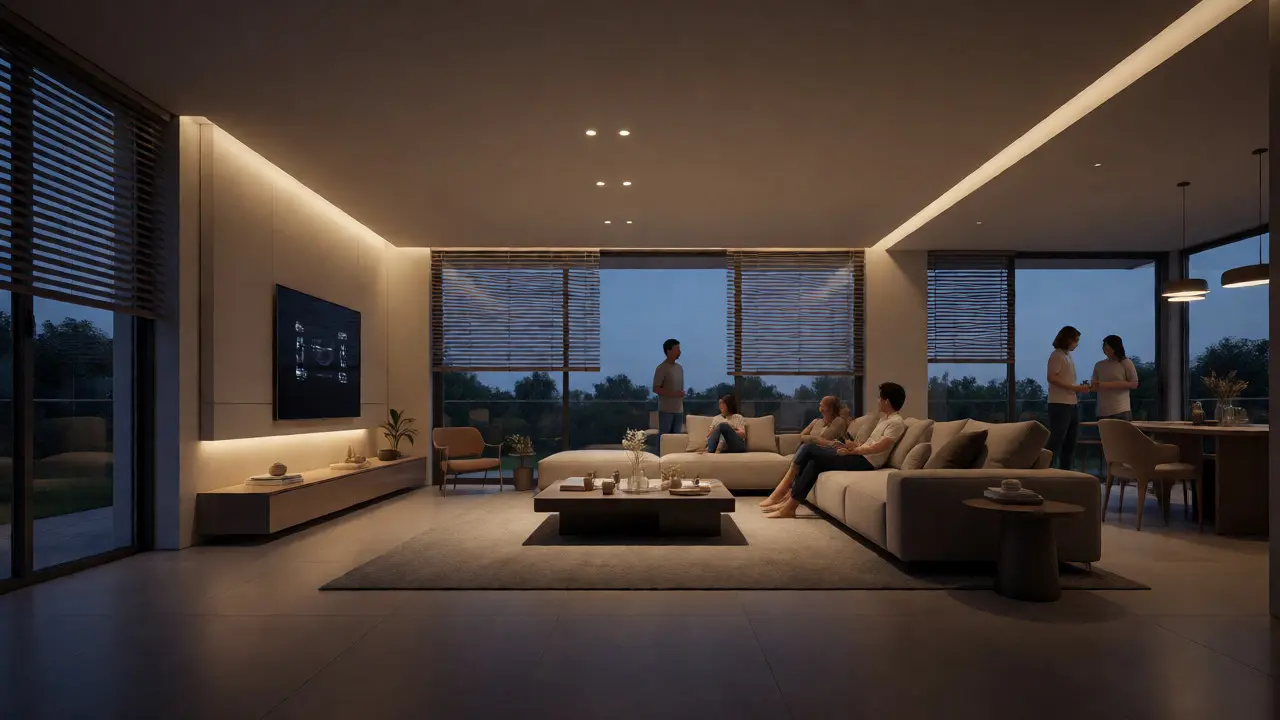
Conversely, a professionally installed system adds tangible value. Real estate agents increasingly market homes with "integrated smart technology" as a premium feature. The key is simplicity. A pro ensures the system is user-friendly for anyone, not just the original owner. They provide documentation, clear instructions, and often a maintenance contract. When you list your home, you can present a clean, functioning system that enhances lifestyle rather than complicating it. Studies suggest that energy-efficient upgrades, including smart thermostats and lighting, can reduce utility bills by 10-15%, making the home more attractive to eco-conscious buyers.
Ongoing Maintenance and Tech Debt
Technology changes fast. What works today might be obsolete in five years. With a DIY setup, you are the IT department. When a firmware update breaks your integration, you spend your evening searching Reddit threads for fixes. When a company goes bankrupt (and many smart home startups do), you’re left holding unsupported hardware.
Professional installers build systems with scalability in mind. They recommend brands with strong track records and active communities. More importantly, many offer service plans. If your hub dies or a sensor falls offline, you call one number. They come out, diagnose the issue, and fix it. This removes the mental burden of being responsible for every aspect of your home’s digital infrastructure. It transforms your smart home from a hobby project into a reliable utility, much like your plumbing or HVAC system.
Is professional smart home installation really cheaper in the long run?
Yes, typically. While the upfront labor cost is higher, professionals prevent expensive mistakes like buying incompatible devices, damaging wiring, or needing to replace failed components prematurely. They also save you hours of troubleshooting time, which has monetary value. Additionally, a well-maintained system lasts longer and retains resale value better than a patchwork DIY setup.
Can I still control my smart home myself after professional installation?
Absolutely. The goal of professional installation is to make the system easier to use, not harder. Installers typically set up intuitive interfaces and train you on how to add simple automations or adjust settings. You retain full control via apps or voice assistants, but the underlying complex networking and configuration are handled by the pro.
What happens if I move and take my smart devices with me?
You can take portable devices like speakers and hubs with you. However, hardwired components like smart switches, dimmers, and wired cameras usually stay with the house. A professional installer ensures these fixed elements are configured in a way that allows new owners to easily reset and adopt the system, preventing the need for costly rewiring during a sale.
Do professional installers guarantee specific brands?
Reputable installers are brand-agnostic. They recommend products based on reliability, compatibility with your existing infrastructure, and your budget. They avoid pushing proprietary systems that lock you into a single vendor unless it offers significant benefits. Their loyalty is to a working system, not a specific product line.
How long does a professional smart home installation take?
It depends on the scope. A basic setup with a few smart plugs and a hub might take a few hours. A comprehensive whole-home integration involving wiring, multiple zones, and custom programming can take several days to a week. Pros provide a timeline estimate after an initial site survey, accounting for potential structural challenges in older homes.