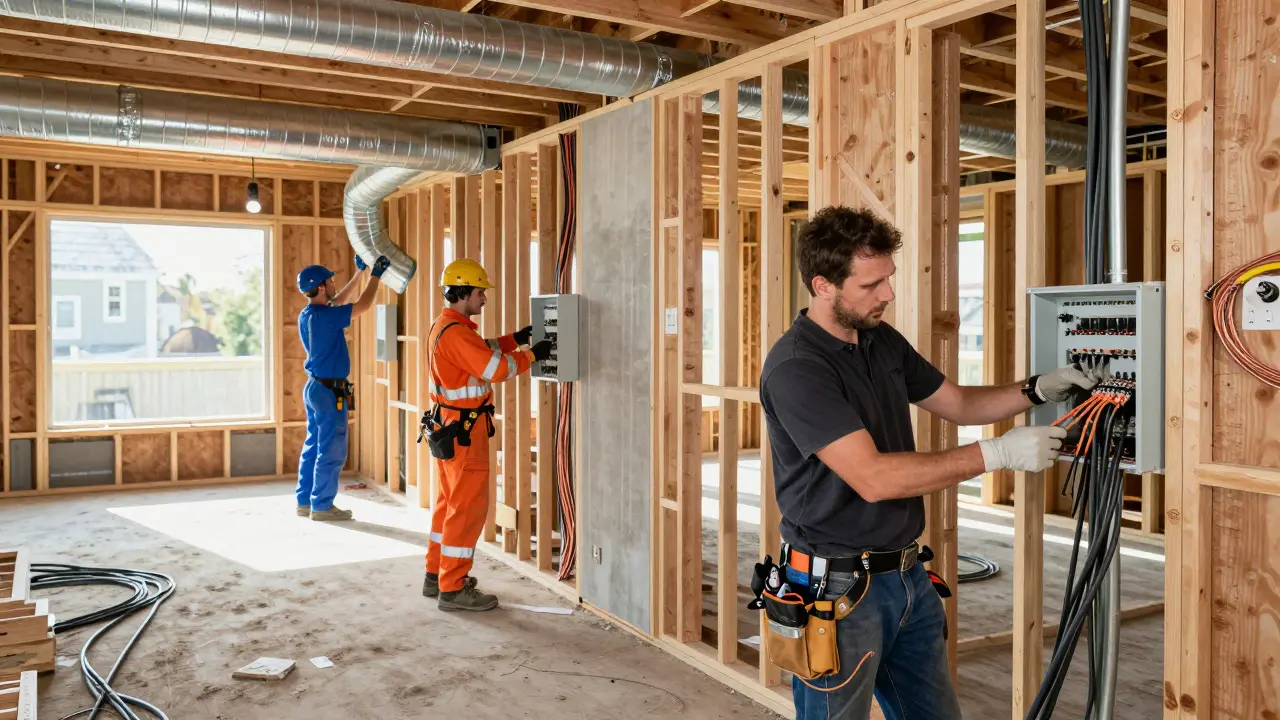
Imagine a Friday afternoon in a high-end residential project. The AV system is ready to be mounted, but the electrician hasn’t finished running the conduit yet. Meanwhile, the HVAC technician needs access to the ceiling plenum to adjust airflow, which blocks the exact spot where the projector should go. This isn’t just an inconvenience; it’s a classic case of poor vendor management leading to schedule slippage and increased labor costs.
Coordinating multiple trades on a professional installation site requires more than just sending emails. It demands a structured approach to managing third-party service providers who execute specific technical tasks within a larger project scope. When you get this right, the project flows smoothly. When you get it wrong, you end up paying for idle time, rework, and frustrated clients. Here is how to master the coordination between audiovisual, electrical, and climate control teams without losing your mind or your budget.
The Core Challenge: Overlapping Work Zones
The primary friction point in pro installations is physical overlap. AV installers need clean lines of sight and accessible mounting points. Electricians need open walls and ceilings to pull wire. HVAC technicians need clear access to ductwork and vents. If these three groups work in silos, they inevitably collide.
For example, an electrician might bury a cable behind drywall before the AV team confirms the exact height of the speaker grille. Or an HVAC tech might seal a return vent that the AV team planned to use for acoustic treatment. To prevent this, you must treat the job site as a shared resource with strict zoning rules. Before any crew arrives, define "no-go" zones until specific milestones are met. For instance, no drywall closing until all low-voltage (AV) and high-voltage (electrical) rough-ins are inspected and approved.
Establishing a Single Source of Truth
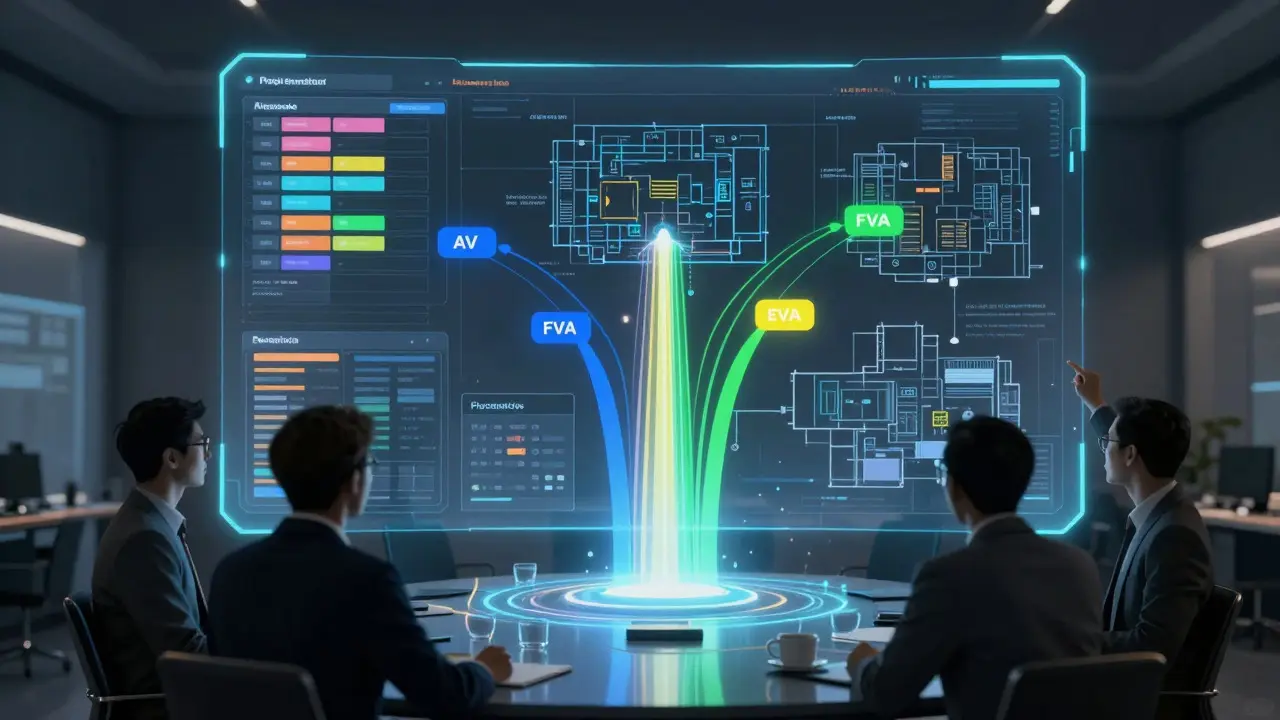
Most coordination failures stem from information asymmetry. The AV contractor has one set of drawings, the electrician has another, and the HVAC team is working off verbal instructions. You need a single source of truth-a centralized digital platform where all plans, schedules, and change orders live.
- Centralized Scheduling: Use a shared calendar that shows not just dates, but specific task dependencies. Mark when the electrician finishes conduit so the AV installer knows when they can start pulling cat6 cables.
- Unified Drawings: Ensure all vendors are working from the same Revit or CAD files. If the HVAC diffuser moves two inches, that change must be visible to the AV team immediately to avoid misaligned speaker mounts.
- Digital Punch Lists: Replace paper punch lists with mobile apps. When an issue is found, photograph it, tag the responsible vendor, and assign a deadline. This creates an audit trail that prevents finger-pointing later.
Defining Roles and Responsibilities Clearly
Ambiguity in scope is the enemy of efficiency. Who installs the jack plates? Who terminates the network cables? Who ensures the power drops are correctly labeled? These questions must be answered in the contract phase, not on the job site.
Use the RACI matrix (Responsible, Accountable, Consulted, Informed) to clarify roles. For instance, the AV integrator is Responsible for terminating video cables, but the electrician is Accountable for ensuring the power supply meets voltage requirements. The general contractor is Consulted on major structural changes, while the client is Informed only at milestone completions. This prevents the common scenario where everyone assumes someone else is handling a critical step.
| Method | Pros | Cons | Best For |
|---|---|---|---|
| Email Chains | Low cost, familiar interface | Hard to track, easy to miss updates | Small, single-trade projects |
| Shared Spreadsheets | Flexible, customizable | Version control issues, manual updates | Budget tracking, not real-time scheduling |
| Project Management Software | Real-time updates, dependency tracking, audit trail | Learning curve, subscription costs | Multi-trade pro installations |
Synchronizing Schedules with Dependency Mapping
Time is money in construction. A delay in the electrical rough-in can cascade into delays for AV cabling, which then delays the final programming and commissioning. To mitigate this, map out the critical path. Identify which tasks cannot start until others finish.
- Structural Completion: Walls and ceilings framed.
- HVAC Rough-In: Ducts installed, vents placed.
- Electrical Rough-In: Conduit run, boxes set, wiring pulled.
- AV Low-Voltage Rough-In: Cat6, HDMI, and speaker wire pulled through conduit.
- Closing Up: Drywall, paint, and flooring.
- Device Mounting: Speakers, displays, and controls installed.
- Commissioning: System testing and client training.
Notice that AV low-voltage work happens *after* electrical rough-in but *before* closing up. If the electrician runs their wires after the AV team has already pulled theirs, they risk damaging the delicate data cables. By strictly enforcing this sequence, you protect both the integrity of the systems and the timeline.
Communication Protocols That Actually Work
Don’t rely on hallway conversations. Establish a formal communication protocol. Hold a brief daily stand-up meeting (15 minutes max) with the leads from each trade. The agenda is simple: What did you do yesterday? What are you doing today? What is blocking you?
If a blocker arises-say, the HVAC tech finds a pipe obstruction-the lead flags it immediately. The general contractor makes the decision on the fly. This prevents small issues from festering into days of downtime. Additionally, designate a single point of contact (SPOC) for each vendor. Avoid having the AV installer talk to five different electricians. One SPOC ensures consistent messaging and faster decision-making.
Managing Quality and Acceptance Criteria
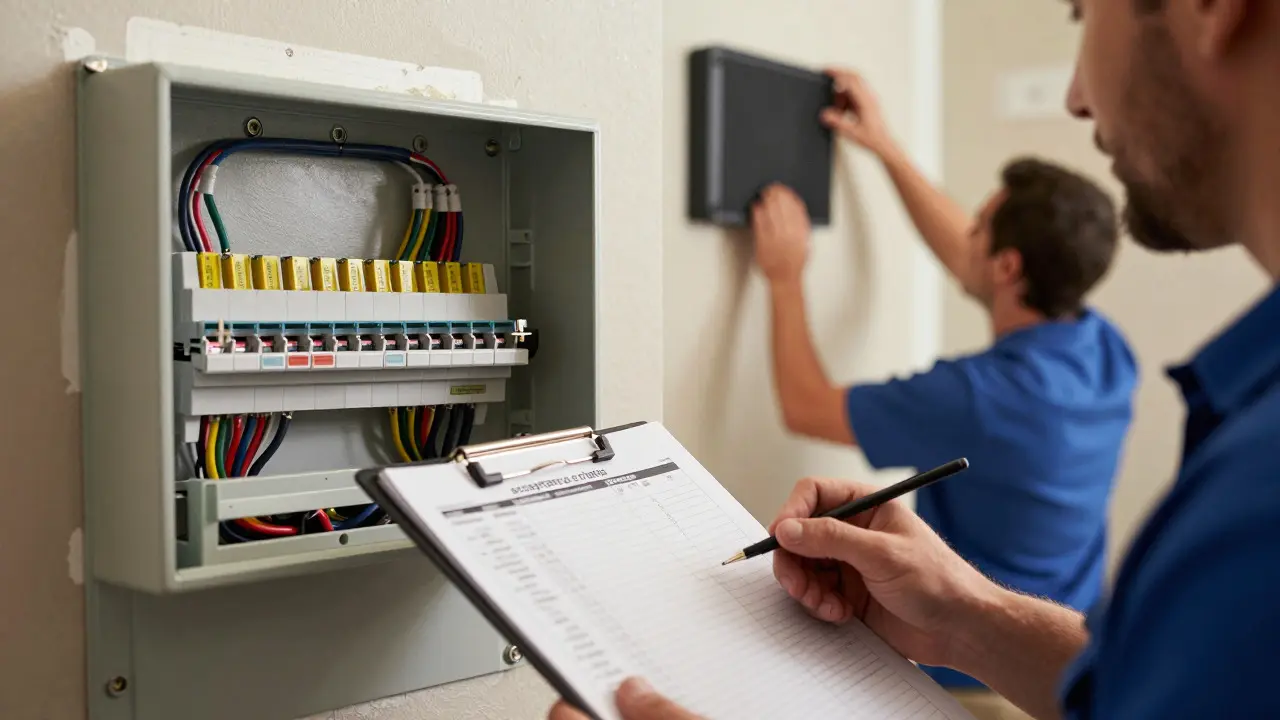
Coordination isn’t just about timing; it’s about quality. Define acceptance criteria for each handoff. For example, when the electrician hands off to the AV team, what does "done" look like? Is it just that the wires are in the box, or are they labeled, tested, and free of damage?
Create a simple checklist for each transition. If the AV team discovers unmarked wires during termination, it slows them down. By requiring labeling as part of the electrical sign-off, you eliminate this friction. Similarly, ensure the HVAC team leaves the ceiling space clean and dust-free before the AV team installs sensitive electronics like projectors and media servers. Dust is a silent killer of AV equipment, so this detail matters more than most people realize.
Troubleshooting Common Vendor Conflicts
Even with the best plans, conflicts happen. Here is how to handle the most common scenarios:
- Disagreement on Scope: If the electrician claims pulling low-voltage wire is outside their scope, refer back to the contract. If it’s ambiguous, agree to a fair rate for the extra work rather than halting progress. Document the agreement in writing immediately.
- Schedule Slippage: If one trade falls behind, assess the impact on the critical path. Can you add more workers? Can you shift non-critical tasks? Communicate the revised timeline to the client transparently to maintain trust.
- Quality Disputes: If the AV team says the electrical work is sloppy, don’t argue. Use the pre-defined acceptance criteria. If the work fails the criteria, require rework before proceeding. Consistency is key here.
By treating vendor management as a proactive discipline rather than a reactive fire-drill, you transform chaotic multi-trade sites into efficient production lines. The result is faster projects, happier clients, and higher profit margins for every party involved.
Who should be the primary coordinator between AV, electrical, and HVAC vendors?
Ideally, the General Contractor (GC) or the Lead Integrator should serve as the primary coordinator. They have the contractual authority to enforce schedules and resolve scope disputes. If there is no GC, the party holding the prime contract with the client should take on this role to ensure accountability.
How early should vendor coordination begin?
Coordination should begin during the design phase. Vendors need to review plans to identify potential clashes before construction starts. Waiting until the rough-in stage to discuss logistics often results in costly changes and delays.
What is the biggest mistake in managing multi-trade installations?
The biggest mistake is assuming that "good intentions" will align the teams. Without explicit contracts, clear scope definitions, and enforced sequencing, vendors will naturally prioritize their own efficiency over the overall project timeline, leading to bottlenecks.
Do I need specialized software for vendor management?
For small projects, a shared calendar and email might suffice. However, for professional installations involving multiple trades and complex dependencies, project management software with Gantt charts and dependency tracking is highly recommended to visualize the critical path and manage handoffs effectively.
How do you handle a vendor who consistently misses deadlines?
First, address the root cause. Is it a capacity issue or a communication failure? Implement stricter check-ins and holdbacks (withholding payment until milestones are met). If performance doesn't improve, consider replacing the vendor, but only if the contract allows for termination for convenience or cause.