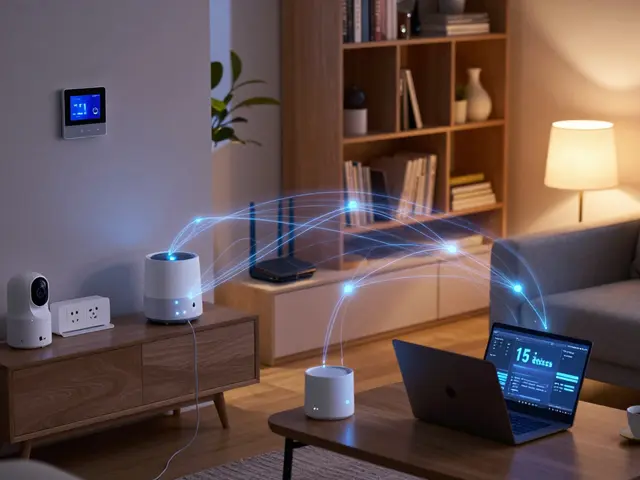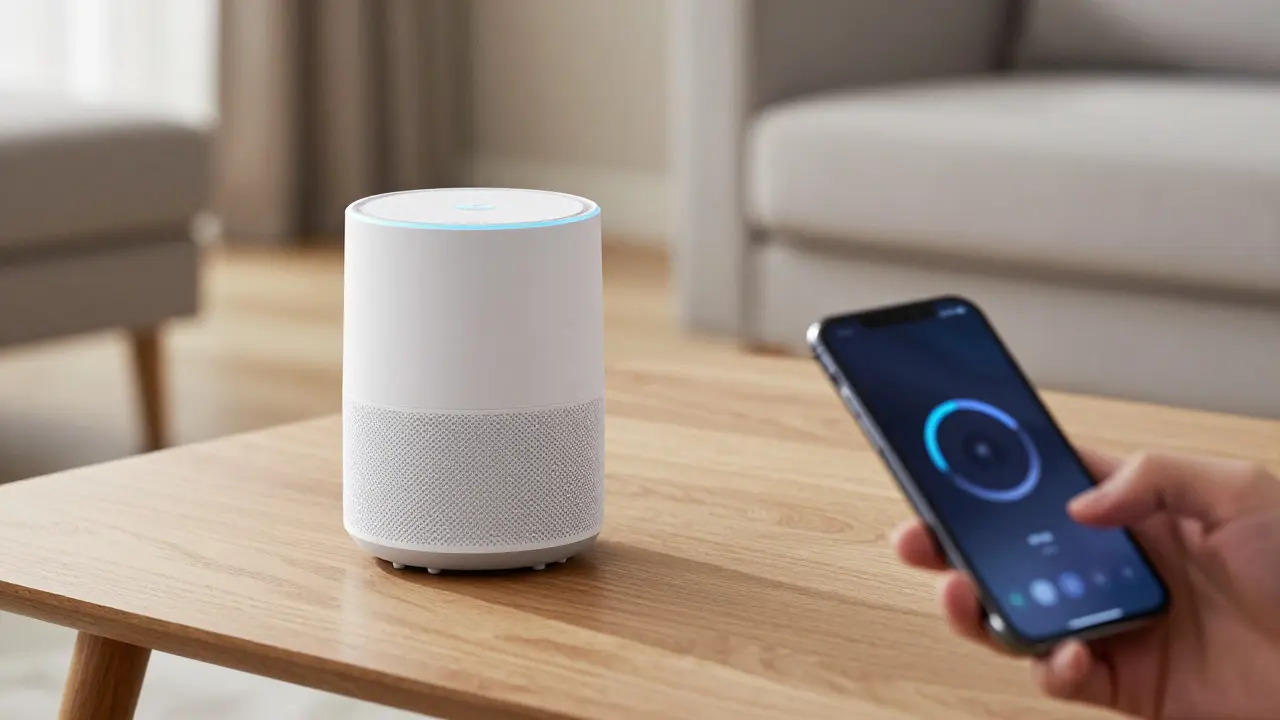
Remember when buying a smart speaker meant owning it forever? That era is fading fast. In 2026, the line between hardware and service has blurred so much that many consumer smart tech devices are essentially entry tickets to a monthly bill. From robotic vacuums requiring cloud accounts to wearables needing premium subscriptions for full health data, the industry has shifted heavily toward recurring revenue streams. This isn't just a trend; it's a structural change in how companies value their products.
For consumers, this shift brings convenience but also sticker shock. For businesses, it offers predictable cash flow but demands constant engagement. Understanding these dynamics helps you decide whether to buy the latest gadget or stick with your reliable older model. Let’s break down how these models work, why they’re everywhere, and what they mean for your wallet.
The Shift from Hardware Sales to Recurring Revenue
Subscription-based business models replace one-time sales with ongoing payments for access to features, software updates, or data services. Historically, tech companies made money on the box. Today, the box is often sold at cost-or even below cost-to lock users into a long-term relationship. The real profit comes from the backend. Think of it like a gym membership: the equipment is there, but you pay to keep using it optimally.
This model works because smart devices generate data. A basic thermostat sells heat control. A smart thermostat subscription might offer energy insights, AI-driven scheduling, and integration with other home systems. The more data the device collects, the more value the company can extract through personalized services. This creates a flywheel: better data leads to better services, which justify higher subscription fees, which fund R&D for even smarter features.
Common Subscription Tiers in Smart Devices
Not all subscriptions are created equal. Most manufacturers use a tiered approach to segment their user base. Here’s how the typical structure looks across major categories:
| Tier Level | Typical Features | Price Range (Monthly) | Best For |
|---|---|---|---|
| Basic / Free | Core functionality, local control, limited history | $0 | Budget-conscious users, privacy-focused individuals |
| Standard | Cloud sync, extended history, basic automation | $5 - $10 | Average households wanting convenience |
| Premium | AI insights, multi-device management, priority support | $15 - $30 | Power users, families with multiple connected devices |
| Enterprise / Pro | API access, custom dashboards, bulk management | $50+ | Property managers, small businesses |
Notice the jump from Standard to Premium. That gap is where companies make their biggest margins. Premium tiers often include AI-driven recommendations-like a smart fridge suggesting recipes based on expiration dates or a security camera identifying specific package deliveries. These features require significant computing power and algorithm development, justifying the higher price tag.
Why Companies Are Betting Big on Subscriptions
The financial logic is compelling. Hardware margins have been squeezed by competition and rising component costs. But software margins are high. Once you build the platform, serving an additional user costs very little. This scalability allows companies to project stable revenue years into the future. Investors love this predictability. It transforms volatile hardware sales cycles into steady, compounding growth.
Moreover, subscriptions create a direct feedback loop. When a user pays monthly, they stay engaged. They open the app, read notifications, and interact with the ecosystem. This engagement generates behavioral data that improves the product for everyone. It’s a win-win, provided the value delivered matches the price paid. However, if the service feels stagnant, churn rates spike, and the model collapses.

Consumer Implications: Cost vs. Value
As a buyer, you need to look beyond the upfront price. A $200 robot vacuum sounds cheap until you add the $10/month subscription for its mapping and cleaning optimization features. Over three years, that’s $360 in extra costs. Suddenly, the total cost of ownership doubles. Always calculate the 3-year and 5-year total cost before hitting "buy."
Here are some practical tips to manage these costs:
- Check for free tiers: Many devices offer core functions without a subscription. Ask yourself if you truly need the premium features.
- Look for lifetime deals: Some brands offer a one-time payment to unlock all features permanently. Compare this against the annual subscription cost.
- Bundle subscriptions: If you have multiple devices from the same ecosystem (like Apple HomeKit or Samsung SmartThings), check if a family plan reduces the per-device cost.
- Watch for sunsetting: Ensure the company has a track record of maintaining legacy devices. If they drop support for old models after two years, the subscription value plummets.
The Role of Artificial Intelligence in Pricing Power
Artificial Intelligence is the engine behind the new pricing power in smart tech. AI doesn’t just make devices smarter; it makes them indispensable. A basic smart bulb turns on and off. An AI-powered lighting system adjusts color temperature based on your circadian rhythm, weather outside, and calendar events. That level of personalization is hard to replicate manually, making users less likely to cancel.
Companies are using AI to dynamically adjust subscription offerings. For example, a fitness wearable might offer a basic heart rate monitor for free, but charge for advanced sleep analysis powered by machine learning. As AI models improve, the value proposition grows, allowing companies to raise prices gradually without losing customers. This "creeping feature gatekeeping" is becoming a standard tactic in the industry.
Challenges and Risks for the Model
It’s not all smooth sailing. The biggest risk is customer fatigue. People are tired of paying for things they already own. If a smart doorbell stops working properly without a subscription, backlash is swift. Social media amplifies these complaints quickly, turning a minor inconvenience into a brand crisis.
Regulatory pressure is also rising. In several regions, lawmakers are pushing for "right to repair" and "data portability" laws. These regulations could force companies to keep basic functions accessible without subscriptions or allow users to export their data easily. This limits how aggressively companies can lock users in. Additionally, hardware obsolescence remains a threat. If a device breaks and the manufacturer no longer supports it, the subscription becomes worthless, leading to high churn.
Future Trends: What to Expect in 2027 and Beyond
Looking ahead, we expect to see more integrated ecosystems rather than standalone subscriptions. Instead of paying for a separate camera plan, a light plan, and a thermostat plan, you’ll likely pay for a single "Smart Home Pass" that covers everything. This simplifies billing but increases the average revenue per user. We will also see the rise of decentralized subscriptions. Blockchain-based platforms might allow users to trade unused subscription credits or share household plans seamlessly. Furthermore, as edge computing matures, more processing will happen on the device itself, reducing reliance on the cloud. This could lead to cheaper, more private subscription tiers that don’t require heavy data uploads.
Frequently Asked Questions
Do I really need a subscription for my smart devices?
It depends on the device. Basic functions like turning lights on/off or checking a camera feed are often available for free. However, advanced features like AI recognition, long-term data storage, and multi-device automation usually require a paid plan. Evaluate which features you actually use before subscribing.
What happens if I cancel my smart tech subscription?
Most devices revert to a basic mode. You lose cloud features, historical data, and smart automations, but core functions like manual control usually remain. Check the manufacturer’s policy to ensure critical safety features (like alarms) still work without a subscription.
Are subscription prices going to increase?
Yes, generally. As AI features improve and data storage costs fluctuate, companies often raise prices annually. Some offer grandfathered rates for existing customers, while others apply hikes to all users. Budget for a 5-10% annual increase in your smart home expenses.
Can I switch providers if I dislike a subscription?
Often, yes, but with friction. Many ecosystems are closed, meaning your devices only work best within that brand’s network. Switching may require buying new hardware. Look for open standards like Matter or Zigbee if you want flexibility in the future.
Is there a way to avoid subscriptions entirely?
Yes, by choosing local-first devices. Brands like Sonos or certain Linux-based smart home setups allow full control via local networks without cloud dependency. These options are often more expensive upfront but eliminate monthly fees. DIY enthusiasts can also build custom systems using Raspberry Pi and open-source software.