Imagine walking into a stadium where the bass hits you in the chest before the first note even drops. The crowd roars, but it doesn’t echo; it stays crisp. Above them, a massive screen shows every replay in stunning detail, visible from the back row. This isn't science fiction-it’s the current standard for modern sports and entertainment venues. Getting this right is tricky. It involves balancing huge amounts of power, complex wiring, and precise timing between what you hear and what you see.
Large-scale audio-visual systems are the backbone of any successful live event. They transform a building into an experience. But they also come with significant technical challenges. If the audio lags behind the video by even a fraction of a second, audiences notice. If one section of the LED wall flickers, it ruins the immersion. Here is how professionals handle these high-stakes installations.
The Core Components of Venue AV Systems
At its heart, a Stadium AV System is a networked infrastructure that synchronizes audio playback, visual displays, and lighting cues across a large physical space. It relies on two main pillars: distributed audio networks and modular LED displays.
Distributed Audio Networks use digital signal processing to send audio to hundreds of speakers simultaneously. Unlike old-school analog setups, these systems allow engineers to control delay times for each speaker zone. This ensures that someone sitting near the field hears the play at the exact same moment as someone in the upper deck. Digital Signal Processing (DSP) is the technology that manipulates audio signals to correct delays, equalize frequency response, and manage volume levels per zone.
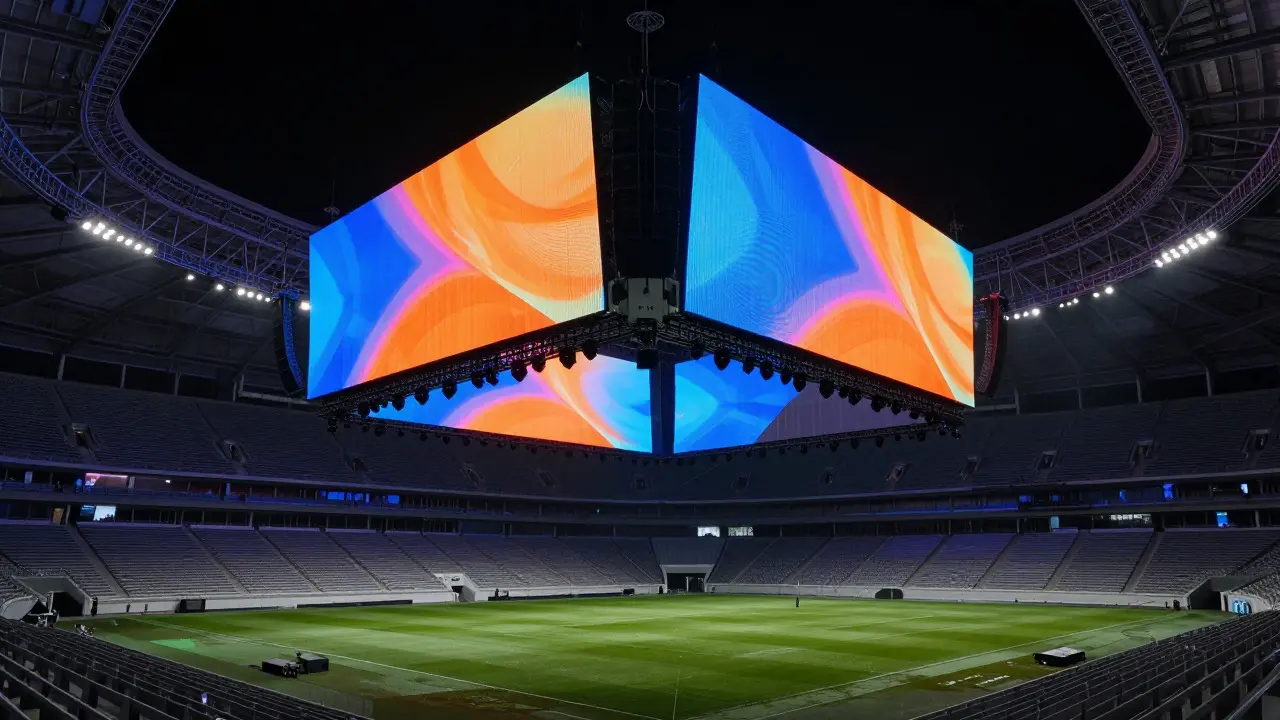
Modular LED Displays, often called video walls, consist of thousands of small cabinets packed together. Each cabinet contains LEDs that can be individually controlled. When assembled, they form a seamless image. The key attribute here is pixel pitch-the distance between pixels. A lower pixel pitch means higher resolution, which is crucial for close-up views or indoor arenas. For outdoor stadiums, a slightly larger pitch is acceptable because viewers are farther away.
Designing for Immersive Sound
Sound design in a stadium is less about loudness and more about clarity. You don't want the announcer's voice to sound muddy just because ten thousand people are cheering. To achieve this, engineers use a technique called Acoustic Modeling is a simulation process that predicts how sound waves will reflect off surfaces like concrete, glass, and metal within a specific architectural structure.
Before installing a single speaker, teams run simulations. They map out how sound bounces off the roof and seats. Based on this data, they place line arrays-vertical stacks of speakers-strategically around the bowl. These arrays project sound downward toward the audience rather than letting it fly up into the rafters. This approach minimizes feedback and maximizes speech intelligibility.
For music events, the system might switch profiles. The DSP adjusts the equalization to boost bass and treble, creating a fuller sound. For sports, the profile emphasizes mid-range frequencies where human voices sit. This dynamic switching happens in real-time, managed by a central console that oversees the entire network.
Building Massive LED Walls
Constructing a large LED wall is a logistical puzzle. You aren't just hanging screens; you're managing heat, weight, and power. Modern LED modules are lightweight, but when you stack hundreds of them, the structural load becomes significant. Engineers must calculate the weight distribution to ensure the truss or rigging points can support the display safely.
Power consumption is another major factor. A full-size stadium video board can draw tens of kilowatts of electricity. To manage this, facilities often use dedicated power circuits and uninterruptible power supplies (UPS) to prevent blackouts during critical moments. If the main power fails, the UPS kicks in, keeping the lights and screens alive for several minutes until backup generators start up.
Content management is equally important. The wall needs to receive high-bandwidth video feeds from cameras, broadcast trucks, and production servers. This requires robust networking infrastructure, typically using fiber optic cables to transmit data without interference. The latency must be kept under 50 milliseconds to ensure the action on the field matches the image on the screen.
Integration and Control Systems
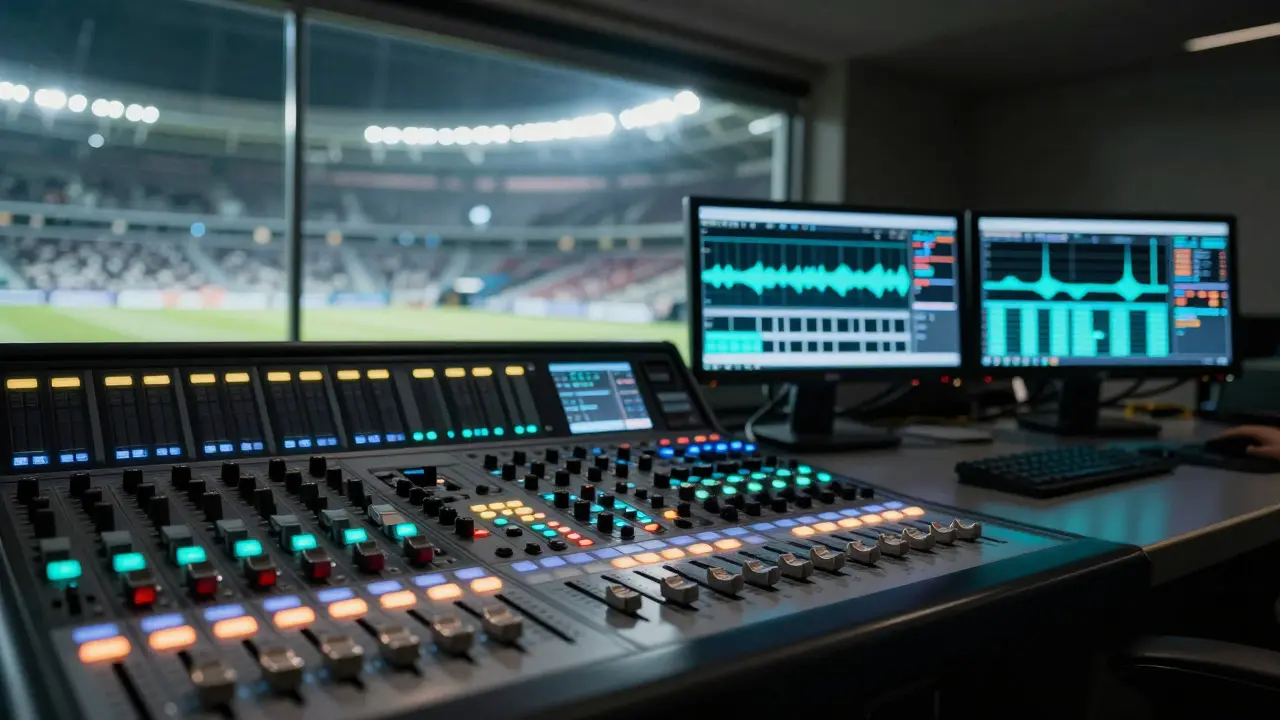
All these components need to talk to each other. This is where the control system comes in. It acts as the brain of the operation, coordinating audio, video, lighting, and even scoreboards. Most professional venues use a centralized control room equipped with multiple monitors, mixing consoles, and software interfaces.
Operators use this interface to trigger cues. For example, when a goal is scored, the system automatically plays a highlight reel on the LED wall, boosts the stadium horn volume, and flashes the lights in the team's colors. This synchronization requires tight integration between different hardware brands. Standards like Art-Net is a protocol used for sending lighting control data over Ethernet networks, allowing DMX-controlled devices to be managed remotely and similar protocols help different vendors' equipment work together seamlessly.
Redundancy is a non-negotiable feature. Critical systems have backup paths. If the primary network switch fails, a secondary switch takes over instantly. If one video processor crashes, a standby unit assumes control. This failover mechanism ensures that technical glitches remain invisible to the audience.
Cost Considerations and Maintenance
Investing in large-scale AV is expensive, but the cost varies widely based on scale and quality. A basic setup for a small arena might cost a few hundred thousand dollars. A state-of-the-art stadium with 360-degree displays and immersive audio can run into the millions. The biggest costs usually go to the LED panels and the structural rigging required to hold them.
Maintenance is ongoing. Dust accumulates on LED modules, reducing brightness. Speakers need regular inspection for damage from weather or vibration. Facilities often hire specialized technicians who know how to troubleshoot these complex systems. Regular firmware updates are also necessary to fix bugs and improve performance.
Here is a rough comparison of typical component costs and lifespans:
| Component | Average Lifespan | Primary Maintenance Task | Estimated Cost Range (USD) |
|---|---|---|---|
| LED Video Panels | 5-7 years | Cleaning modules, checking connections | $1,000 - $5,000 per square meter |
| Line Array Speakers | 8-10 years | Inspecting suspension hardware, testing drivers | $5,000 - $20,000 per array |
| DSP Processors | 10+ years | Firmware updates, signal path verification | $2,000 - $10,000 per unit |
| Control Software | Continuous | Licensing renewals, user training | $5,000 - $50,000 annually |
Future Trends in Venue Technology
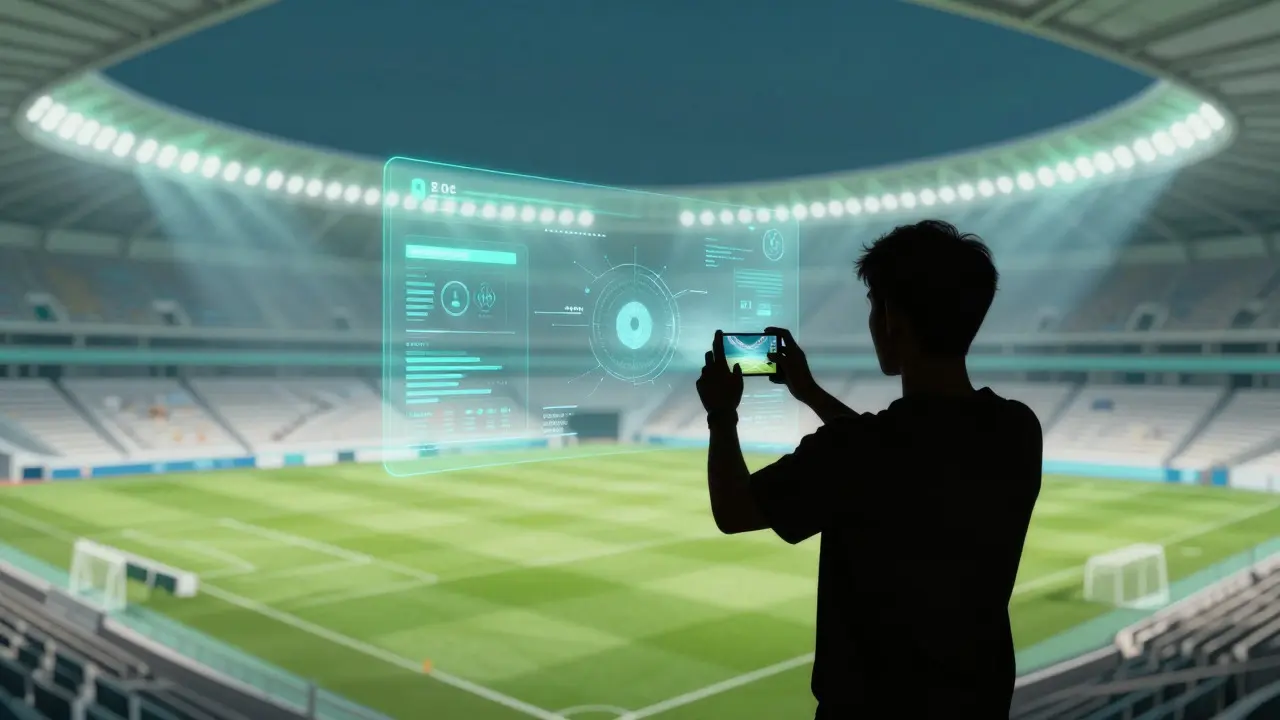
The industry is moving toward greater interactivity. Fans are no longer passive observers; they want to engage. Some venues are experimenting with AR overlays that fans can see through their smartphones, aligning virtual graphics with the real-world action. This requires precise tracking and low-latency content delivery.
Sustainability is also becoming a priority. New LED technologies consume less power and generate less heat. Audio systems are being designed to be more efficient, reducing the need for excessive amplification. As venues aim for green certifications, energy efficiency is now a key metric in procurement decisions.
Cloud-based management is another emerging trend. Instead of relying solely on local servers, some operators are using cloud platforms to store content and manage schedules. This allows for remote updates and easier collaboration between production teams located in different cities.
Frequently Asked Questions
What is the difference between indoor and outdoor LED walls?
Outdoor LED walls require higher brightness to compete with sunlight and better waterproofing ratings (IP65 or higher). Indoor walls focus on finer pixel pitches for closer viewing distances and do not need the same level of environmental protection. Outdoor units also typically have larger pixel pitches to reduce cost and power consumption.
How much power does a stadium audio system consume?
It depends on the size of the venue and the number of amplifiers. A medium-sized arena might consume 50-100 kilowatts at peak volume. Larger stadiums with extensive line arrays can exceed 200 kilowatts. Efficient digital amplifiers help reduce this footprint compared to older analog systems.
Why do we need redundancy in AV systems?
Live events cannot pause for repairs. If a primary component fails, the audience expects the show to continue. Redundancy ensures that backup systems take over instantly, preventing blackouts or silence. This is especially critical for broadcasting, where a signal loss can disrupt national television coverage.
Can existing venues upgrade their AV systems easily?
Yes, but it requires careful planning. Upgrading usually involves replacing old cabling with fiber optics and updating control software. Structural assessments are needed if adding heavier LED panels. Phased upgrades are common to minimize downtime during the season.
What role does 5G play in venue AV?
5G provides high-speed, low-latency connectivity for mobile devices and wireless sensors. It enables smoother streaming for fans, faster data transfer for camera operators, and improved IoT integration for smart venue features like automated lighting adjustments based on crowd density.