By 2026, nearly one in three homes in the U.S. will have at least five smart devices running in it. That’s not a guess. It’s what the data shows. The smart home market isn’t just growing-it’s reshaping how people live, save energy, and feel safe. If you’ve ever wondered why your neighbor just installed a smart thermostat or why your local hardware store now has a whole aisle of voice-controlled lights, you’re seeing the ripple effect of this shift. This isn’t about gadgets for tech lovers anymore. It’s about real, everyday changes happening right now.
How Did We Get Here?
The smart home started as a luxury. Back in 2010, a smart thermostat cost over $300 and required a PhD just to set the temperature. Today, you can buy one for under $50, and it learns your schedule without you lifting a finger. The real turning point? The rise of affordable Wi-Fi, voice assistants like Alexa and Google Assistant, and the drop in sensor prices. Companies like Nest, Ring, and Ecobee didn’t just make products-they made ecosystems. Once you had one smart device, the next one felt like a no-brainer.
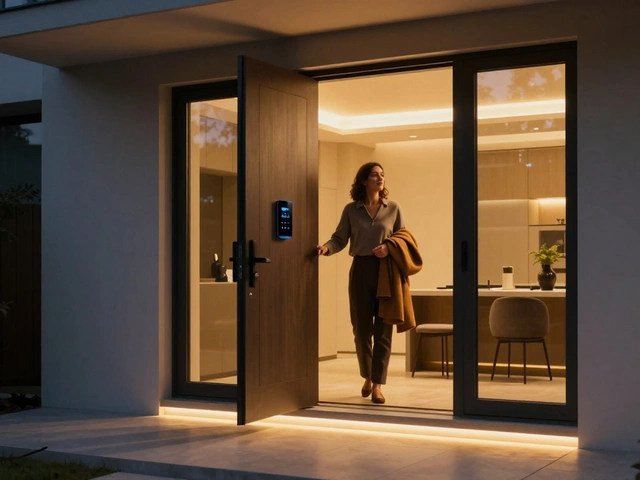
By 2023, global smart home spending hit $137 billion. That number didn’t just tick up-it jumped. And 2025? It crossed $180 billion. The U.S. still leads, but countries like Germany, Japan, and South Korea are catching up fast. Why? Because people aren’t buying smart homes for the tech. They’re buying them for peace of mind. A camera that alerts you when a package arrives. Lights that turn on when you walk in the door. A door lock that texts you if someone tries to break in. These aren’t sci-fi dreams anymore. They’re basic expectations.
What’s Driving Growth in 2026?
Three things are pushing smart home adoption harder than ever: cost, convenience, and control.
- Cost: Devices are cheaper than ever. A smart plug that lets you turn off your coffee maker remotely? $12. A motion-sensing LED bulb? $15. Even smart locks now start at $99. The barrier to entry is lower than it’s ever been.
- Convenience: Voice control isn’t a novelty anymore-it’s normal. People talk to their homes like they talk to their kids. "Hey Google, turn off the living room lights." Done. No more fumbling for switches in the dark.
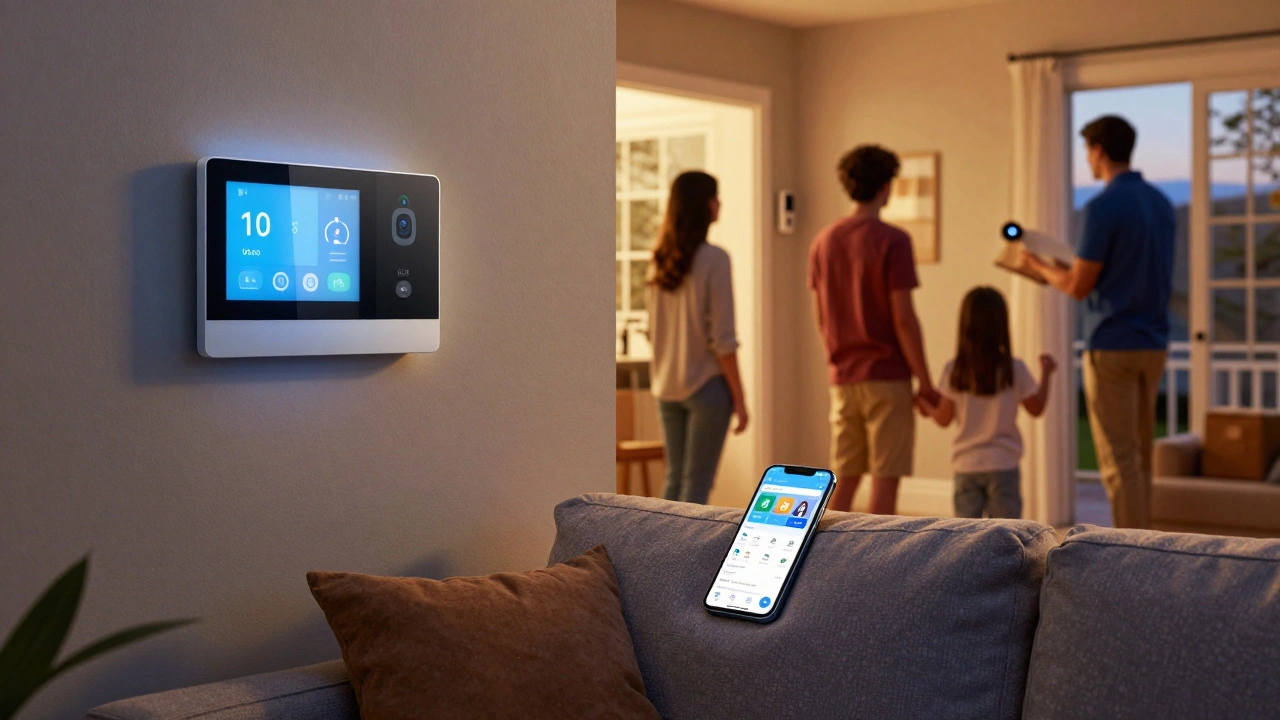
- Control: Apps let you monitor your home from anywhere. Whether you’re on a business trip in Chicago or visiting family in Seattle, you can check if the kids left the stove on, see who’s at the door, or adjust the AC before you walk in. That kind of control? It’s addictive.
Energy savings are a huge hidden driver. A smart thermostat can cut heating and cooling bills by up to 23% per year. That’s not a marketing claim-it’s backed by studies from the U.S. Department of Energy. People aren’t just saving money. They’re cutting their carbon footprint. And that matters more than ever in 2026.
What Devices Are Growing the Fastest?
Not all smart devices are growing at the same rate. Some are exploding. Others are plateauing.
| Device Type | 2023 Adoption Rate | 2026 Projected Adoption Rate | Annual Growth |
|---|---|---|---|
| Smart doorbells with cameras | 28% | 51% | 18.6% |
| Smart thermostats | 35% | 59% | 15.7% |
| Smart lighting systems | 42% | 67% | 14.3% |
| Smart security cameras (indoor) | 31% | 56% | 13.8% |
| Smart locks | 19% | 44% | 16.2% |
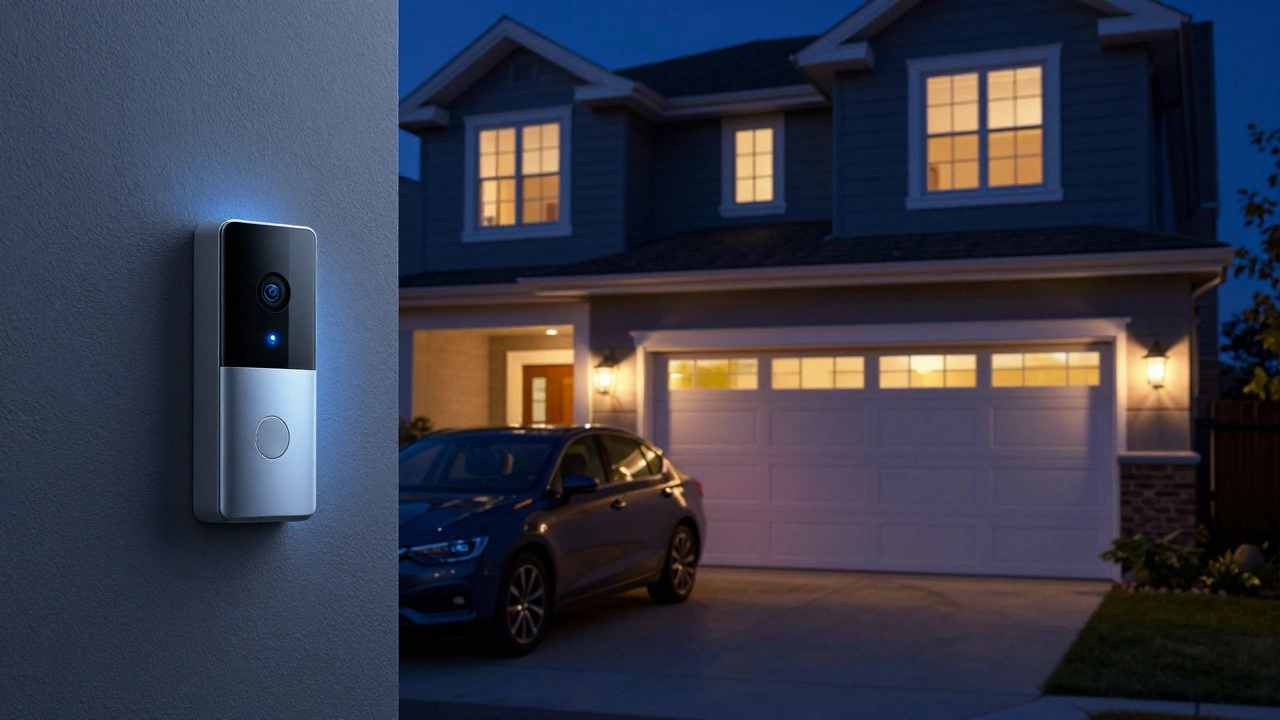
Doorbells with built-in cameras are the runaway winner. Why? Because they combine security with convenience. You see who’s there. You talk to them. You don’t have to open the door. And with AI now filtering out delivery people from strangers, false alarms are dropping. People feel safer-and that’s worth paying for.
Smart locks are climbing fast, too. In 2023, only 1 in 5 homes had one. By 2026, it’ll be nearly half. Why? Because keys are outdated. If you’ve ever locked yourself out, or had to give a spare key to a dog walker, you know how messy that is. Smart locks let you send digital keys that expire after one use. No more hiding keys under the mat.
Who’s Buying? It’s Not Just Tech Geeks
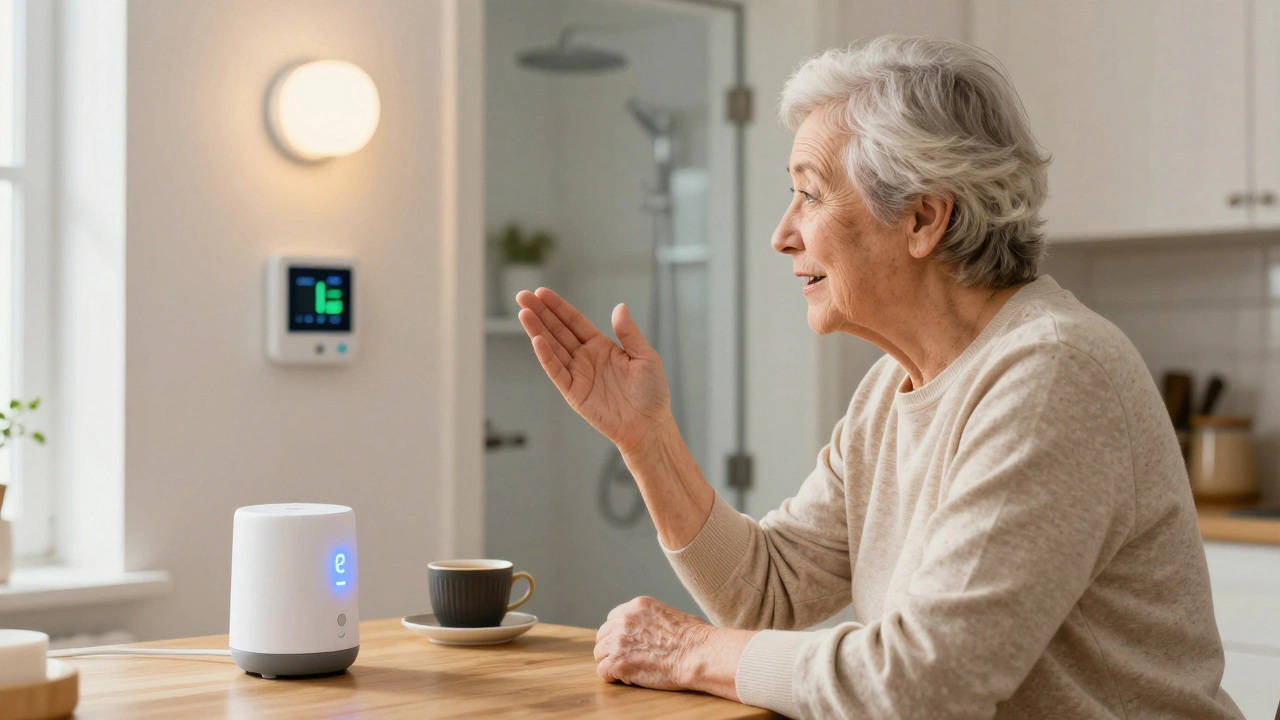
The biggest myth about smart homes? That they’re only for young, tech-savvy people. The truth? The fastest-growing user group is seniors over 65. Why? Because smart homes help them stay independent. A fall detection sensor on the bathroom floor. A voice-controlled light that turns on automatically at night. A medication dispenser that texts family members if a dose is missed. These aren’t gadgets. They’re lifelines.
Young families are next. Parents use smart cameras to check on kids sleeping. They set schedules so the TV turns off at bedtime. They get alerts if the washing machine finishes at 2 a.m. And renters? They’re jumping in too. Landlords are installing smart thermostats and locks because they reduce complaints, save energy, and cut turnover costs.
The market isn’t just expanding-it’s diversifying. What used to be a niche for early adopters is now a mainstream necessity.
What’s Holding Back Wider Adoption?
Even with all this growth, there are still big roadblocks.
- Compatibility: Too many devices still don’t talk to each other. A Philips Hue bulb might work with Alexa, but not with Google Home. That’s frustrating. People want one system that works across everything.
- Privacy: Cameras and microphones in your home? Some people are still scared. High-profile data breaches in 2024 and 2025 made headlines. Companies are responding with stronger encryption and local processing-but trust takes time to rebuild.
- Setup complexity: If you’ve ever tried to connect five smart devices and ended up with three that don’t work, you know what I mean. The setup process still feels like a puzzle for most people.
Manufacturers are fixing this. New standards like Matter are finally making devices plug-and-play. Matter lets you buy a smart bulb from one brand and control it with an app from another. It’s like USB for your home. By 2026, over 70% of new smart home products will support Matter. That’s going to change everything.
What’s Next? The Next Wave
The next big leap isn’t about more devices. It’s about smarter systems.
Imagine this: Your home knows you’re coming home from work. It turns on the lights, adjusts the temperature, and starts brewing coffee-all without you saying a word. That’s not science fiction. It’s happening now. AI is learning your routines so deeply that it predicts your needs before you do.
Energy management is getting smarter too. Smart grids are now talking to home systems. If the power company needs to reduce load during peak hours, your smart thermostat quietly adjusts. Your EV charger pauses. Your washing machine waits. You don’t even notice. But you save money-and help the grid stay stable.
And then there’s health. Sensors in rugs, mirrors, and even toilets are starting to track movement, sleep patterns, and even bathroom habits. For seniors, this could mean early detection of falls or urinary infections. It’s not creepy-it’s preventive care.
Final Thoughts
The smart home market isn’t slowing down. It’s accelerating. By 2027, we’ll see homes that don’t just respond to commands-they anticipate them. The real winners won’t be the companies with the fanciest gadgets. They’ll be the ones who make the tech invisible. Simple. Reliable. Safe.
If you’re thinking about going smart, don’t wait for perfection. Start small. One smart plug. One doorbell. One thermostat. Build from there. The future isn’t coming. It’s already in your living room.
What’s the biggest growth area in the smart home market in 2026?
The biggest growth area is smart security devices, especially doorbells with cameras and smart locks. Adoption for doorbell cameras jumped from 28% in 2023 to an expected 51% in 2026. Smart locks are following closely, growing from 19% to 44% in the same period. People are prioritizing safety and convenience over flashy features.
Are smart homes worth the investment?
Yes-for most people. The biggest returns come from energy savings and increased home value. A smart thermostat can cut heating and cooling bills by up to 23% annually. Smart lighting and automated window shades also reduce electricity use. In many markets, homes with smart systems sell faster and for 3-7% more. Plus, features like remote monitoring and automated locks add peace of mind that’s hard to put a price on.
Do I need a hub to make smart home devices work?
Not anymore. Thanks to the Matter standard, most new devices connect directly to your Wi-Fi and work with Alexa, Google Assistant, or Apple Home without a hub. Older devices may still need one, but if you’re buying new gear in 2026, look for the Matter logo. It means plug-and-play compatibility across brands.
Is my smart home secure from hackers?
Security has improved dramatically since 2022. Most major brands now use end-to-end encryption, two-factor authentication, and local processing (so data doesn’t leave your home). Still, you need to do your part: use strong passwords, turn on automatic updates, and avoid cheap no-name devices. Stick with brands like Ring, Nest, Ecobee, and Philips Hue-they’ve got a track record of security updates.
What should I buy first if I’m new to smart homes?
Start with a smart thermostat and a smart doorbell. The thermostat saves you money right away-often paying for itself in under a year. The doorbell adds security and convenience: you can see and talk to visitors from your phone. Both are easy to install, work with most voice assistants, and don’t require rewiring. Once those are in place, you can add smart lights or plugs later.
For those still on the fence: the smart home isn’t about having the latest tech. It’s about making your life easier, safer, and more efficient. The tools are here. The prices are low. The standards are solid. All you need to do is take the first step.