The Battle Against the Circuit Breaker
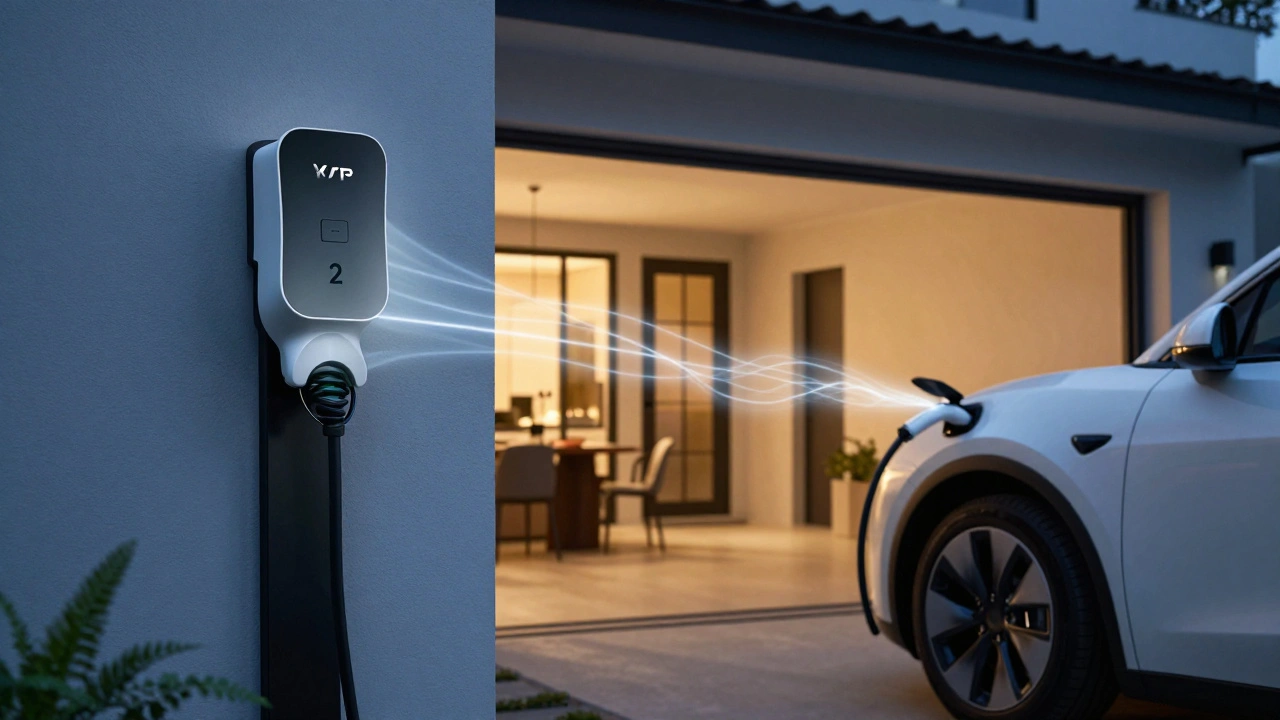
Most homes have a main electrical panel rated for 100 to 200 amps. When you install a Level 2 charger, you're adding a heavy load that can run for 8 to 12 hours straight. If your Electric Vehicle Supply Equipment (EVSE) is pulling 48 amps and your HVAC system kicks in, you might hit the ceiling of what your panel can handle. This is where load management becomes a necessity rather than a luxury.
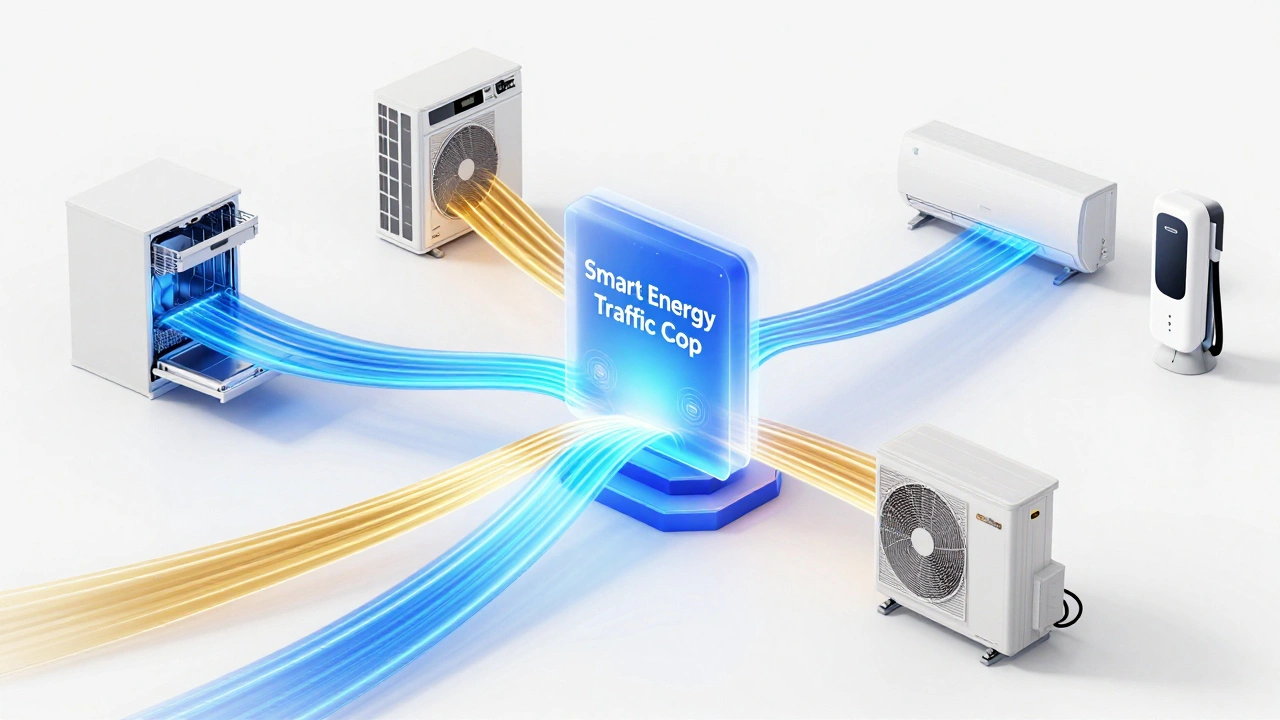
Dynamic load management acts like a traffic cop for your electricity. Instead of the car taking whatever it wants, the system monitors the home's total draw in real-time. If the dishwasher starts, the system tells the car to slow down its charging rate. Once the dishwasher finishes, the car ramps back up to full speed. This prevents the dreaded "dark house" scenario and removes the need for an expensive service upgrade from the utility company.
Smart Scheduling and Time-of-Use Rates
Electricity isn't priced the same all day. Many utility companies use Time-of-Use (TOU) rates, meaning power is expensive during "peak hours" (usually 4 PM to 9 PM) and cheap overnight. If you plug in your car at 6 PM and let it rip, you're paying the highest possible price per kilowatt-hour.
Scheduling is the easiest way to fight this. By setting a timer in your car's software or the charger's app, you can tell the vehicle to wait until 2 AM to start drawing power. For a typical EV battery, shifting the charge by just a few hours can save a homeowner between $20 and $50 a month, depending on local rates. It's a simple change that turns a high-cost luxury into a more sustainable daily habit.
| Strategy | Complexity | Cost Savings | Grid Impact |
|---|---|---|---|
| Always-On | Low | Low | High Stress |
| Scheduled (Fixed) | Medium | Medium | Reduced Stress |
| Dynamic Load Management | High | High | Low Stress |
Integrating with the Smart Home Ecosystem
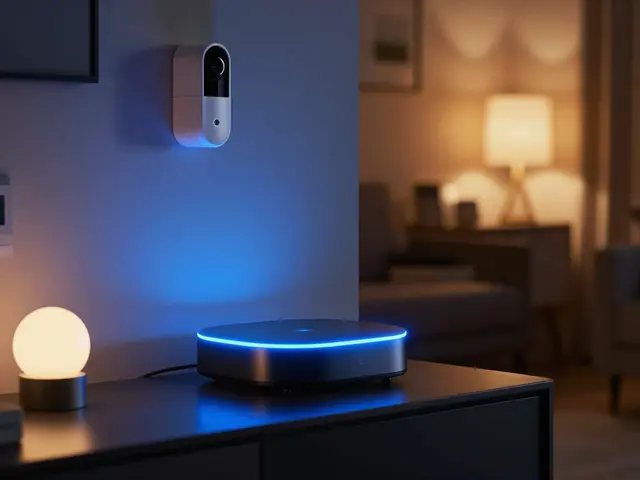
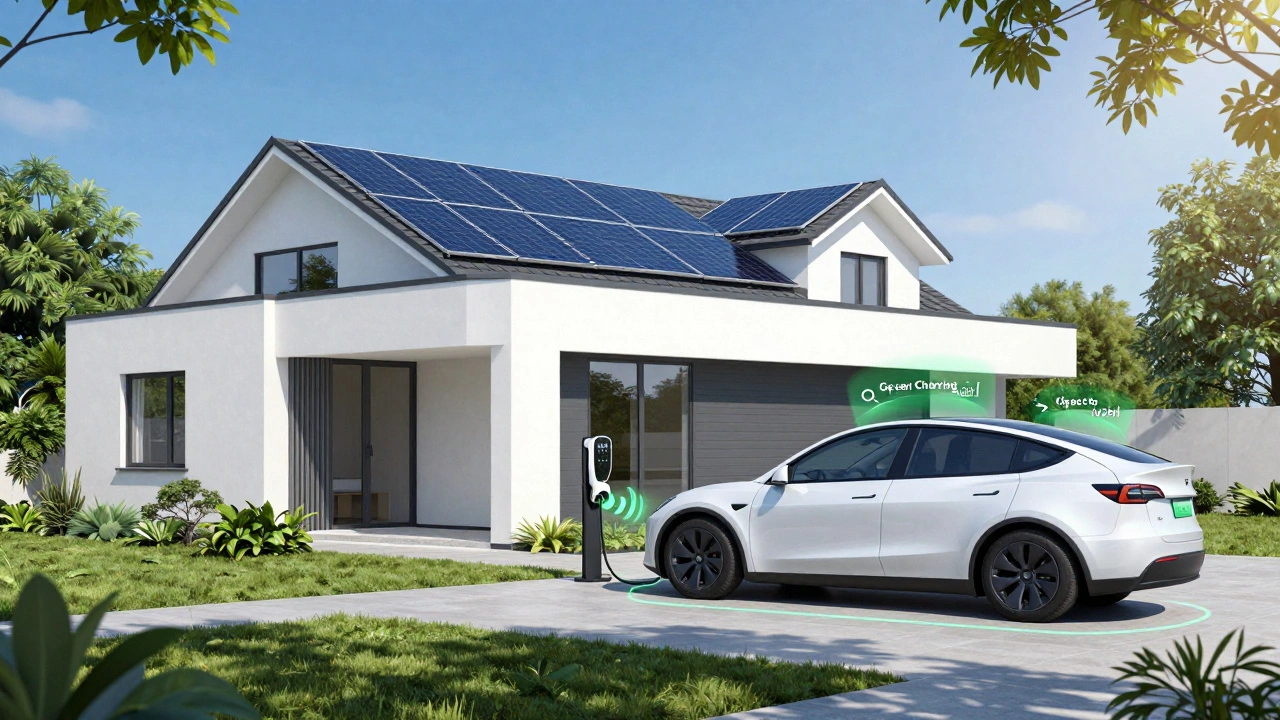
The real magic happens when your charger talks to the rest of your house. When you integrate your charging station with a Smart Home Hub, like those using the Matter or Zigbee protocols, the car becomes part of a larger energy strategy. For example, if your home has solar panels, you can set up "Green Charging." This ensures the car only charges when there is excess solar production, effectively using your car as a giant battery for your house.
Consider a scenario where your smart thermostat detects a heatwave. It can signal the home energy manager to prioritize the AC and temporarily throttle the EV charger. This level of automation means you never have to manually check an app or worry about which appliances are running. The house simply balances itself based on priority and cost.
The Role of the Smart Electrical Panel
Traditional breaker boxes are "dumb"-they either allow power or they trip. Smart Electrical Panels are changing this by providing per-circuit monitoring. Instead of a single total reading, you can see exactly how many watts your EV charger is using compared to your kitchen appliances.
These panels allow for software-defined power limits. If you know your home is nearing its limit, you can cap the EV charger at 16 amps via a smartphone app without even going into the garage. This is a game-changer for older homes in cities like Portland, where updating a 1950s electrical panel to a modern 400-amp service could cost upwards of $5,000 in labor and materials.
Common Pitfalls to Avoid
One big mistake homeowners make is relying solely on the car's internal timer. While this works for cost savings, it doesn't protect your panel from overloading. The car doesn't know if your dryer is running; it only knows what time it is. To truly protect your home, you need a hardware-level solution-either a smart charger with a current sensor (CT clamp) or a smart panel.
Another trap is ignoring the "vampire draw." Some chargers continue to pull a small amount of power even when the car is full. In a highly optimized smart home, you want a system that completely kills power to the outlet once the state of charge reaches 100%. This not only saves a few cents but also reduces wear and tear on the battery's chemistry over several years.
Future-Proofing Your Energy Setup
As we move toward 2027 and beyond, we're seeing the rise of V2H (Vehicle-to-Home) technology. This is the ultimate form of load management. Instead of just managing how power goes into the car, V2H allows the car to send power back into the house during a blackout or during the most expensive peak-price hours of the day.
To prepare for this, homeowners should invest in bidirectional-ready chargers now. Even if your current car doesn't support it, having the right wiring and a smart panel in place means you won't have to rip open your walls when you upgrade to a newer EV model. It's about moving from a mindset of "charging a car" to "managing a mobile energy asset."
Do I need a professional electrician to set up load management?
Yes. While you can set schedules in an app yourself, installing the hardware-such as CT clamps, smart panels, or dedicated 240V circuits-requires a licensed professional to ensure the installation meets the National Electrical Code (NEC) and avoids fire hazards.
Will smart scheduling actually lower my electric bill?
If your utility provider uses Time-of-Use (TOU) pricing, absolutely. By shifting your EV load management to off-peak hours (usually midnight to 6 AM), you can reduce the cost of charging by 30% to 60% compared to charging immediately after work.
Can I use a standard extension cord with a smart charger?
No. You should never use a standard extension cord for Level 2 EV charging. The high current draw over several hours can cause the cord to overheat and melt, leading to electrical fires. Always use a dedicated circuit or a heavy-duty, EV-rated appliance cord if absolutely necessary.
What is the difference between a Level 1 and Level 2 charger in terms of load?
Level 1 uses a standard 120V outlet (like a lamp) and pulls about 1.4 kW, which is easy on most panels. Level 2 uses 240V and can pull anywhere from 7 kW to 22 kW. This massive jump is why Level 2 charging requires careful load management to avoid tripping breakers.
Does every smart home hub support EV chargers?
Not all of them. You need to check if your charger is compatible with protocols like Matter, Zigbee, or has a documented API for platforms like Home Assistant. Some chargers are "closed ecosystems" and only work with their own proprietary app.