You’re spending hundreds of dollars on smart home devices is a collection of connected gadgets like sensors, locks, and cameras that monitor your property in real-time. But are they actually paying for themselves? For many homeowners in Portland and across the US, the answer is yes. In 2026, insurers have moved past viewing these gadgets as mere toys. They now recognize the data these devices provide as a genuine risk-reduction tool. If you’ve been wondering how to turn your tech stack into lower premiums, this guide breaks down exactly which devices trigger discounts and how to claim them without the headache.
The Reality of Smart Home Discounts in 2026
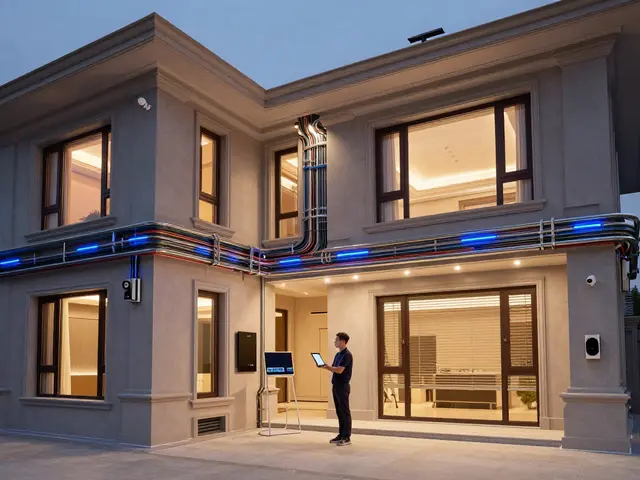
Let’s clear up the biggest misconception first: not every insurer offers meaningful discounts for smart homes. The landscape has shifted significantly since 2023. Major carriers now use actuarial models that weigh the reliability of your specific device ecosystem. A random assortment of cheap, unverified sensors won’t cut it. Insurers want to see integrated systems where data flows consistently to a central hub or cloud service they can verify.
The average discount ranges from 5% to 15% off your dwelling coverage, but this isn’t a flat rate. It depends on three factors:
- Device Certification: Is the brand recognized by your carrier?
- System Integration: Do your devices talk to each other (e.g., via Matter protocol)?
- Monitoring Status: Is the system professionally monitored or self-monitored?
If you’re using a fragmented setup with three different apps and no central monitoring, you might only qualify for a minor credit or none at all. The goal is to present a unified picture of safety to your underwriter.
Which Devices Actually Lower Your Premium?
Not all smart gadgets carry equal weight in the eyes of an adjuster. Some devices signal low risk more effectively than others. Here’s what actually moves the needle in 2026 underwriting guidelines.
| Device Type | Average Discount Impact | Why It Matters | Key Requirement |
|---|---|---|---|
| Smart Smoke/CO Detectors | High | Reduces fire damage costs via early alert | Must connect to phone/cloud |
| Water Leak Sensors | Medium-High | Prevents costly water damage claims | Placed near high-risk areas (washer, water heater) |
| Smart Door Locks | Low-Medium | Provides audit trail of entry | Requires strong encryption standards |
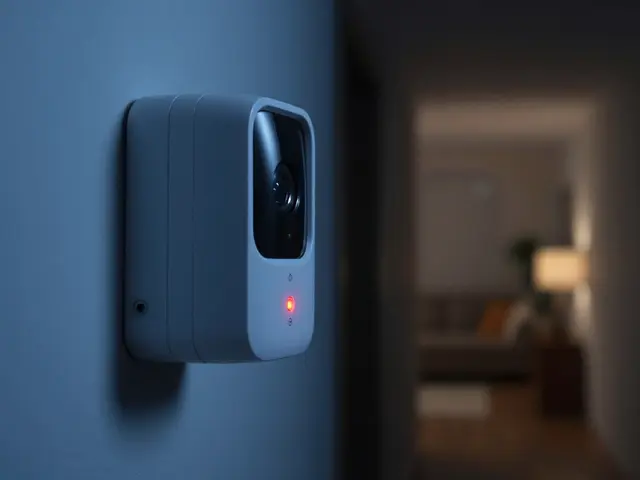
| Video Doorbells/Cameras | Low | Deters theft, aids investigation | Cloud storage history preferred |
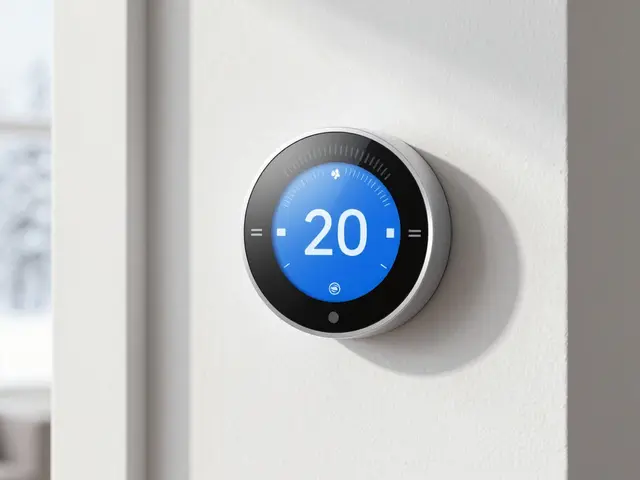
| Smart Thermostats | Negligible | Minimal direct impact on liability | Often bundled, rarely standalone discount |
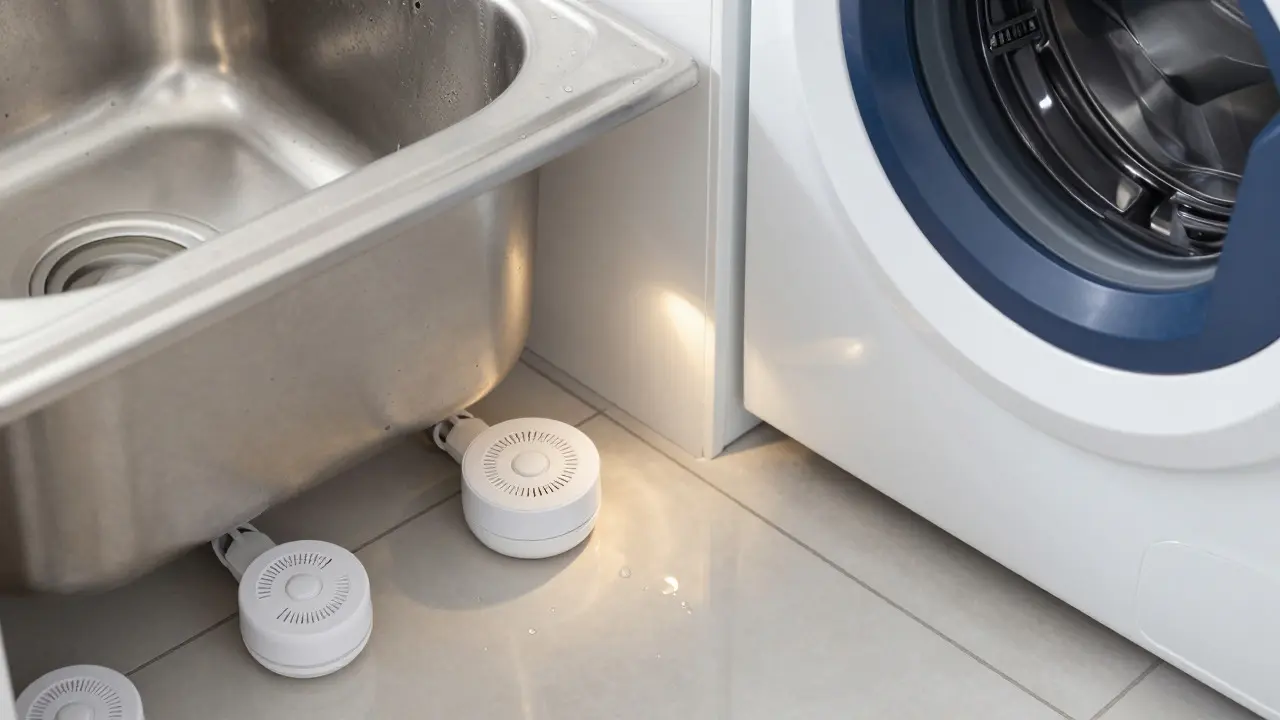
Water leak sensors is small battery-powered devices that detect moisture changes and send alerts to prevent flooding. These are arguably the most cost-effective addition for older homes. Water damage is one of the most common and expensive claims. By placing sensors under sinks and behind washing machines, you show insurers you’re proactive about preventing catastrophic loss.
Smart smoke detectors is fire alarms that use Wi-Fi or Z-Wave to notify occupants remotely and integrate with other smart home systems. Unlike traditional hardwired alarms, these often require professional installation or specific certification to count toward discounts. Check if your local fire department accepts their signals; some insurers mirror this requirement.
How to Claim Your Discount: Step-by-Step
Getting the discount isn’t automatic. You have to ask, and you need proof. Here’s the process that works best in 2026:
- Audit Your Current Setup: List every smart device you own. Note the brand, model, and whether it’s part of a unified ecosystem (like Apple HomeKit, Google Home, or Samsung SmartThings).
- Contact Your Agent Directly: Don’t rely on the online portal. Call your agent and ask specifically: "Do you offer a smart home discount for [Brand Name] devices?" Agents know which brands their underwriters accept.
- Provide Documentation: Be ready to show screenshots of your app dashboard proving the devices are active. Some insurers may request a copy of your subscription plan if you pay for cloud monitoring.
- Ask About Bundling: If you have multiple policies (homeowners, auto, umbrella), ask if adding a smart home rider unlocks additional cross-policy benefits.
A pro tip: If your agent says "no," ask them to check with their underwriting team. Policies change quarterly. What was rejected in January might be approved in August due to new data partnerships between insurers and tech companies.
Pitfalls to Avoid
Before you rush out to buy more gadgets, watch out for these common mistakes that kill your discount potential.
- Buying Unverified Brands: Cheap, no-name sensors often don’t transmit data reliably. If a sensor fails during a claim, the insurer may deny the discount retroactively. Stick to major brands with established APIs.
- Ignoring Battery Life: A dead smart lock or sensor doesn’t protect anything. Insurers increasingly look at uptime logs. Keep batteries fresh or switch to hardwired options where possible.
- Forgetting Cybersecurity: In 2026, cybersecurity is part of the risk assessment. If your smart home network uses weak passwords or outdated firmware, you’re a higher risk. Update everything regularly.
- Assuming All Cameras Count: Only cameras with verified cloud storage or local encrypted recording usually qualify. Local-only storage with no backup might be viewed as insufficient evidence preservation.

Is It Worth It for Your Specific Home?
The value proposition changes based on your location and home type. In Portland, Oregon, for example, water damage risks are higher due to the climate and older housing stock. This makes water leak sensors a high-priority investment for insurance savings. Conversely, if you live in a newer build with modern plumbing and electrical systems, the marginal benefit of adding more sensors might be lower.
Consider your claim history too. If you haven’t filed a claim in five years, you’re likely already in a favorable tier. Adding smart devices might only shave off a small percentage. However, if you’ve had recent claims, smart home tech can help stabilize your rates faster by demonstrating improved risk management.
Finally, think about resale value. While insurance discounts are immediate cash savings, a well-documented smart home setup is also a selling point. Buyers in 2026 expect connectivity. Keeping records of your devices and their insurance benefits adds tangible value when you eventually sell.
Frequently Asked Questions
Does every smart home device lower my insurance premium?
No. Only devices that actively reduce specific risks (like fire, water, or break-in) and are verified by your insurer count. Decorative smart lights or basic thermostats usually do not provide a standalone discount.
What is the maximum discount I can get for a smart home?
Most carriers cap the smart home discount between 10% and 15% of your total premium. To reach the upper limit, you typically need a combination of smart smoke detectors, water sensors, and a monitored security system.
Do I need a professional monitoring service to get a discount?
It depends on the insurer. Some accept self-monitored systems with reliable cloud alerts, while others require a certified professional monitoring center to validate the data stream. Always confirm this requirement before purchasing equipment.
Will switching to a smart home void my current policy?
No, but you should notify your agent. Failure to disclose significant changes in risk mitigation tools could theoretically complicate a future claim, though it rarely results in policy voiding. Updating your policy ensures you get the correct credit.
Are there any downsides to having a smart home for insurance purposes?
The main downside is maintenance responsibility. If a smart device malfunctions and causes damage (e.g., a smart valve failing to close), the insurer may investigate. Keeping software updated and devices maintained protects you from this liability.