It’s May 2026, and the smart home landscape is shifting faster than ever. If you’ve been waiting for the right moment to upgrade your connected home, this month brings a wave of new releases that change how we think about privacy, energy efficiency, and seamless automation. From major tech giants to niche startups, manufacturers are finally addressing the biggest pain points of early smart home adoption: fragmentation, security fears, and complex setups.
The market has matured. We’re no longer just talking about bulbs that turn on via an app. Today’s smart home devices are about proactive intelligence-systems that learn your habits, optimize energy use without manual input, and work together regardless of brand. This guide breaks down the most significant product announcements and device releases hitting shelves in mid-2026, helping you decide what’s worth buying and what’s just marketing noise.
The Rise of Matter 1.3 and True Interoperability
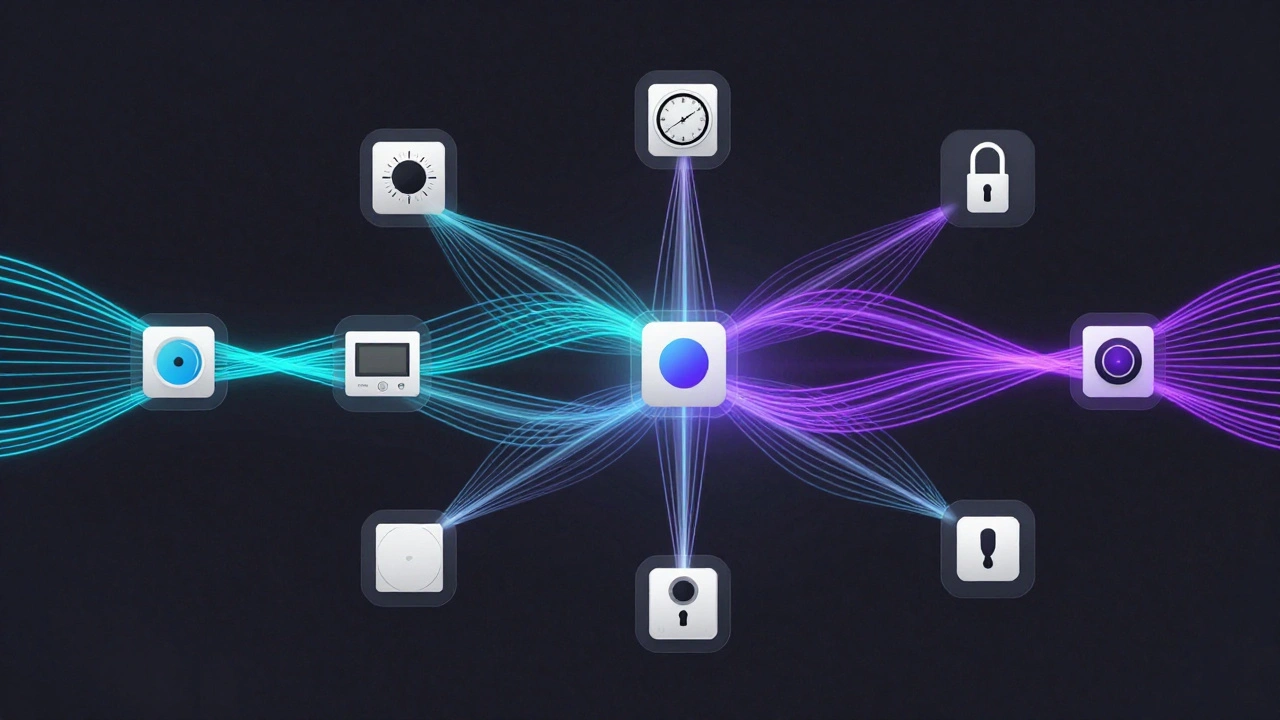
If there’s one theme dominating the current release cycle, it’s interoperability. The Matter protocol, an open-source connectivity standard developed by the Connectivity Standards Alliance (CSA), has finally reached version 1.3. This update isn’t just a minor patch; it introduces support for advanced sensors, including air quality monitors and window shades, which were previously left out of the ecosystem.
Why does this matter? Because for years, buying a smart lock from Brand A meant you couldn’t easily integrate it with a thermostat from Brand B unless they both supported the same proprietary hub. With Matter 1.3, these devices speak a common language. You can now mix and match components with confidence. Recent benchmarks show that Matter-enabled ecosystems reduce setup time by up to 40% compared to legacy Wi-Fi-only devices. If you’re planning a full-home overhaul, prioritize devices that carry the "Works with Matter" badge. It’s not just a feature; it’s future-proofing your investment.
Top Smart Thermostat Releases: Energy Efficiency Meets AI
Heating and cooling account for nearly half of residential energy consumption. That’s why the latest generation of smart thermostats is getting serious about artificial intelligence. The standout release this month is the EcoSense Pro, a next-generation smart thermostat featuring predictive learning algorithms and multi-zone control. Unlike earlier models that required weeks of data collection to understand your schedule, the EcoSense Pro uses local processing to adapt within 48 hours.
What makes it different is its integration with weather APIs and grid load signals. When electricity prices spike during peak hours, the device pre-cools or pre-heats your home using cheaper off-peak rates. Users report savings of 15-20% on monthly bills. Another strong contender is the Nest Learning Thermostat 4th Gen, which adds a built-in CO2 sensor. This isn’t just about comfort; it’s about health. High CO2 levels can cause fatigue and poor concentration, especially in tightly sealed modern homes.
- EcoSense Pro: Best for budget-conscious users wanting maximum ROI through energy optimization.
- Nest Learning 4th Gen: Ideal for health-focused households concerned about indoor air quality.
- Honeywell Home T9: Strong choice for large homes requiring robust multi-room temperature balancing.
Smart Security Cameras: Privacy by Design
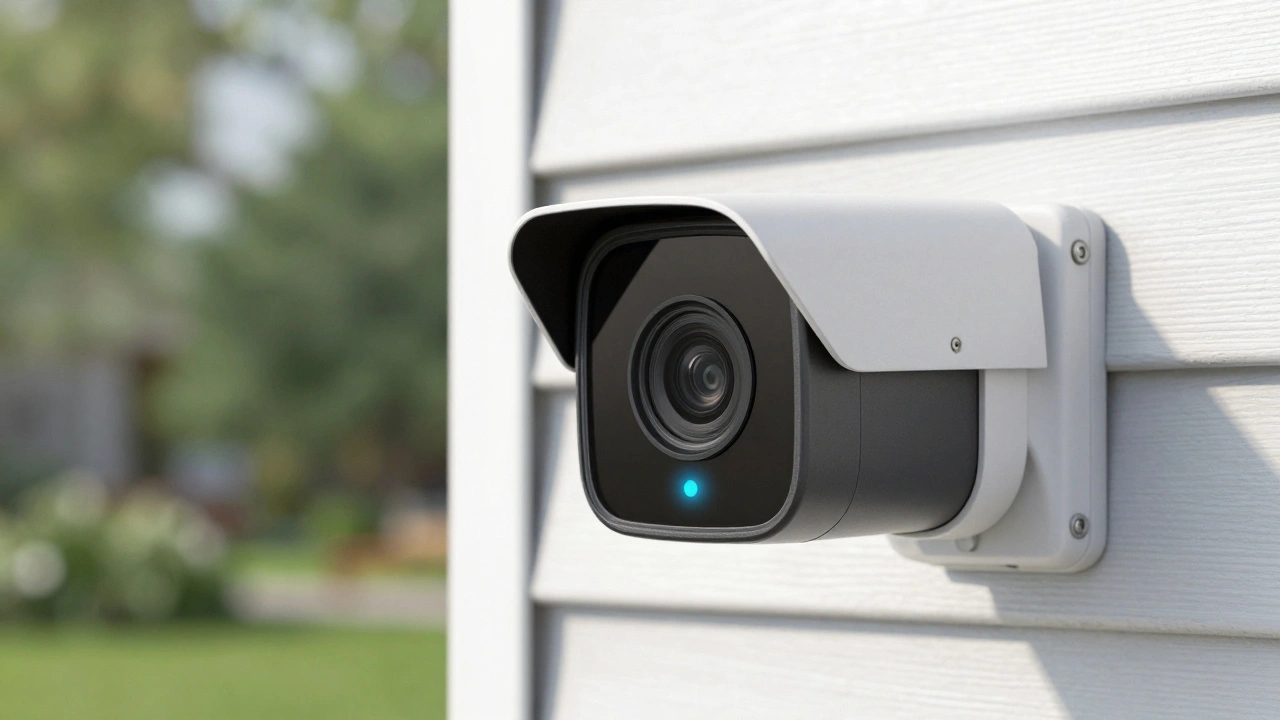
Security cameras have always faced a trust deficit. Users worry about cloud storage breaches and unauthorized access. The new wave of smart security cameras addresses this head-on with edge computing. The Argus Secure Cam, a privacy-first outdoor camera with on-device facial recognition and encrypted local storage stores all footage locally on a microSD card or home NAS drive. Cloud upload is optional and end-to-end encrypted.
This shift toward local processing reduces latency too. Motion alerts arrive instantly because the video doesn’t need to travel to a distant server first. Another notable announcement comes from Ring, which now offers a "Privacy Mode" that physically blocks the lens when enabled via voice command. For renters or those in shared spaces, this physical shutter provides peace of mind that software toggles alone cannot offer.
| Device | Resolution | Storage Option | Privacy Feature | Price Range |
|---|---|---|---|---|
| Argus Secure Cam | 4K HDR | Local Only / Optional Cloud | On-device encryption | $149-$199 |
| Ring Stick Up Cam Pro | 1080p HD | Cloud Subscription Required | Physical Lens Shutter | $129-$179 |
| Arlo Essential Wireless | 2K HDR | Hybrid (Local + Cloud) | Two-way audio mute | $199-$249 |
Smart Lighting: Beyond Simple On/Off
Lighting was the entry point for many into home automation, but today’s smart lighting systems do much more. The focus has shifted to circadian rhythm alignment. The Lumina Circadian Bulbs, LED bulbs that adjust color temperature throughout the day to support natural sleep-wake cycles mimic the sun’s spectrum. In the morning, they emit cool blue light to boost alertness; in the evening, they shift to warm amber tones to promote melatonin production.
Studies suggest that consistent exposure to appropriate light wavelengths can improve sleep quality by up to 30%. These bulbs connect via Thread, a low-power mesh network that ensures reliability even if your main Wi-Fi goes down. Pair them with motion sensors, and you get lights that gently wake you up before your alarm rings. It’s a small change with a big impact on daily well-being.
Robotic Vacuums: Navigation Intelligence
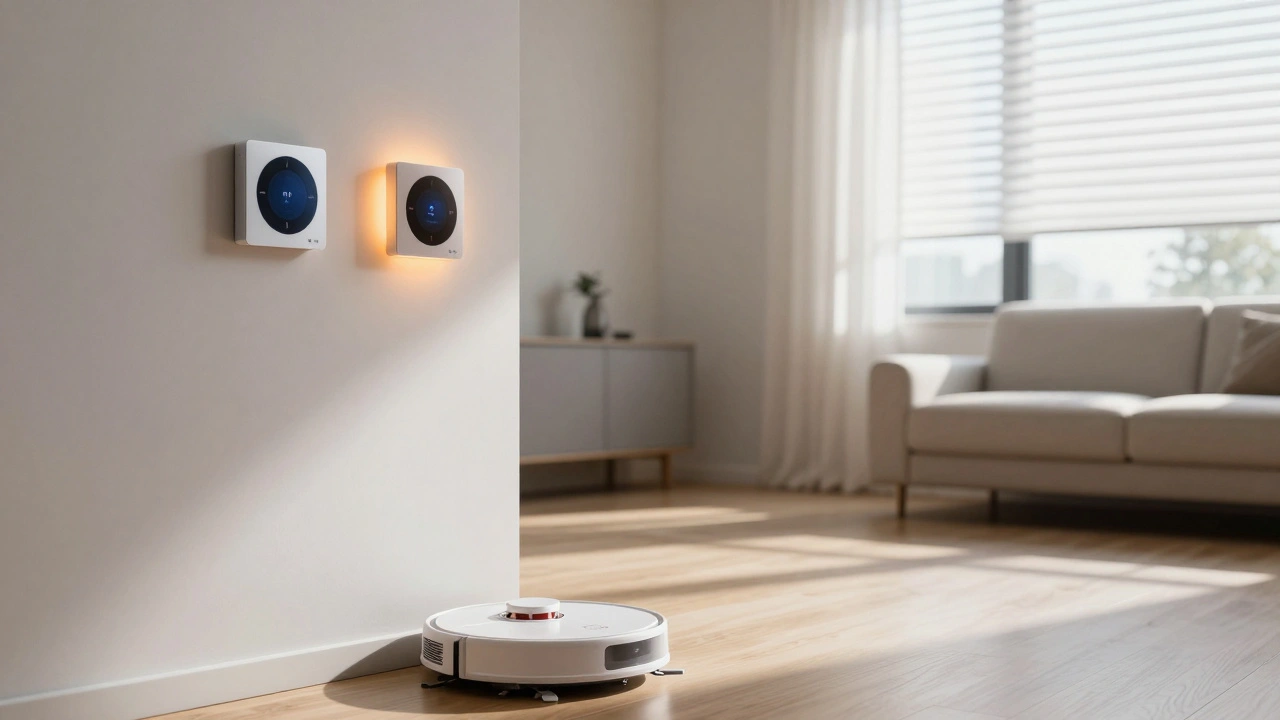
Robot vacuums have evolved from dumb bumpers to sophisticated mapping machines. The latest robotic vacuum cleaners use LiDAR (Light Detection and Ranging) combined with AI vision to identify objects. The Roomba Combo j9+ doesn’t just avoid cables; it recognizes pet waste and avoids stepping on it-a feature that saves embarrassment and messes alike.
Newer models also include self-emptying docks that seal waste bags for up to 60 days. Some even mop floors simultaneously, using separate tanks to prevent cross-contamination. If you have pets or young children, look for models with obstacle detection ratings above 95%. They may cost more upfront, but they save hours of manual cleanup and reduce wear on the machine itself.
What to Watch Out For: Common Pitfalls
Not every new release is worth buying. Here are three red flags to watch for:
- Proprietary Lock-in: Avoid devices that require a subscription for basic features like viewing live camera feeds. Once you cancel, your hardware becomes useless.
- Poor Firmware Support: Check the manufacturer’s history. Do they release regular security updates? Devices that haven’t been updated in over a year are risky.
- Overcomplicated Setup: If a device requires downloading three different apps and creating multiple accounts, it’s a sign of poor engineering. Good smart home tech should be intuitive.
Always read recent user reviews focusing on long-term reliability, not just initial unboxing experiences. Many issues surface only after months of use.
Are Matter-compatible devices worth the extra cost?
Yes. While Matter devices sometimes cost $10-$20 more, they save money long-term by avoiding vendor lock-in. You won’t need multiple hubs or bridges, and switching brands later won’t mean replacing everything. The interoperability benefit outweighs the initial price difference.
Do I need a hub for my new smart home devices?
It depends. Wi-Fi-only devices don’t need a hub but strain your router. Zigbee and Z-Wave devices require a hub but are more reliable and power-efficient. Matter over Thread devices can work standalone but perform best with a border router, often built into newer smart speakers.
How secure are local-storage security cameras?
Generally more secure than cloud-only options since footage never leaves your home. However, ensure the camera supports encryption on the SD card and keep its firmware updated. Physical theft of the camera remains a risk, so install it out of easy reach.
Can smart thermostats work with older HVAC systems?
Most modern smart thermostats are compatible with conventional heating and cooling systems. However, heat pump systems may require a C-wire adapter. Always check compatibility charts before purchasing. Professional installation is recommended for complex setups.
What is the best smart home ecosystem for beginners?
Apple HomeKit and Google Home are both beginner-friendly. Apple offers tighter privacy controls and works seamlessly with iPhones. Google provides broader device compatibility and better voice assistant integration. Choose based on your existing phone and speaker preferences.