When you run a concierge service, your biggest asset isn’t your phone or your app-it’s trust. People don’t hire you because you’re the cheapest. They hire you because they believe you’ll show up, do the job right, and actually care. And the two most powerful tools to build that trust? Real referrals and honest testimonials.
Why Trust Matters More Than Discounts
Imagine this: two concierge services offer the same service-weekly grocery shopping and delivery. One charges $25. The other charges $35. Which one do you pick? If you’ve never heard of either, price wins. But if you’ve heard from a neighbor that the $35 service remembered her cat’s food allergy and dropped off treats on her birthday? You pay the extra ten bucks. That’s trust in action.
Concierge services thrive on personal relationships. You’re not selling a product. You’re selling peace of mind. And peace of mind doesn’t come from a brochure. It comes from someone you know saying, "They saved me when I was sick." Or, "They handled my dog’s vet visits while I was out of town."
How Referral Programs Turn Clients Into Advocates
A referral program isn’t just a discount for friends. It’s a way to turn satisfied clients into your sales team. Here’s how it works in a real concierge business:
- When a client refers someone who signs up, they get a free hour of service next month.
- The new client gets 20% off their first two services.
- Both get a handwritten note from you, not a generic email.
Why this works: people don’t refer businesses they’re unsure about. If someone refers you, they’re putting their own reputation on the line. That’s the highest form of trust. And when you reward that-not just with money, but with personal recognition-you create loyalty that lasts.
In Portland, one concierge service saw referrals jump 47% in six months after switching from a cash reward to a free personal errand-like picking up dry cleaning or dropping off holiday cards. Clients didn’t want more money. They wanted to feel valued.

Testimonials That Don’t Sound Like Ads
Not all testimonials are created equal. A five-star review that says, "Great service!" doesn’t move the needle. But one that says, "They found my mom’s missing prescription when the pharmacy said it was out of stock. I cried. I didn’t even know they could do that."-that’s gold.
Here’s how to collect real, powerful testimonials:
- Ask right after a job goes perfectly-when the client is still feeling the relief.
- Don’t ask for a review. Ask for a story: "What was the hardest part of this task before you hired us?"
- Record short video clips with permission. A 30-second clip of someone talking about how you helped their aging parent is worth 100 written reviews.
- Use their exact words. Don’t polish them. Raw emotion beats perfect grammar every time.
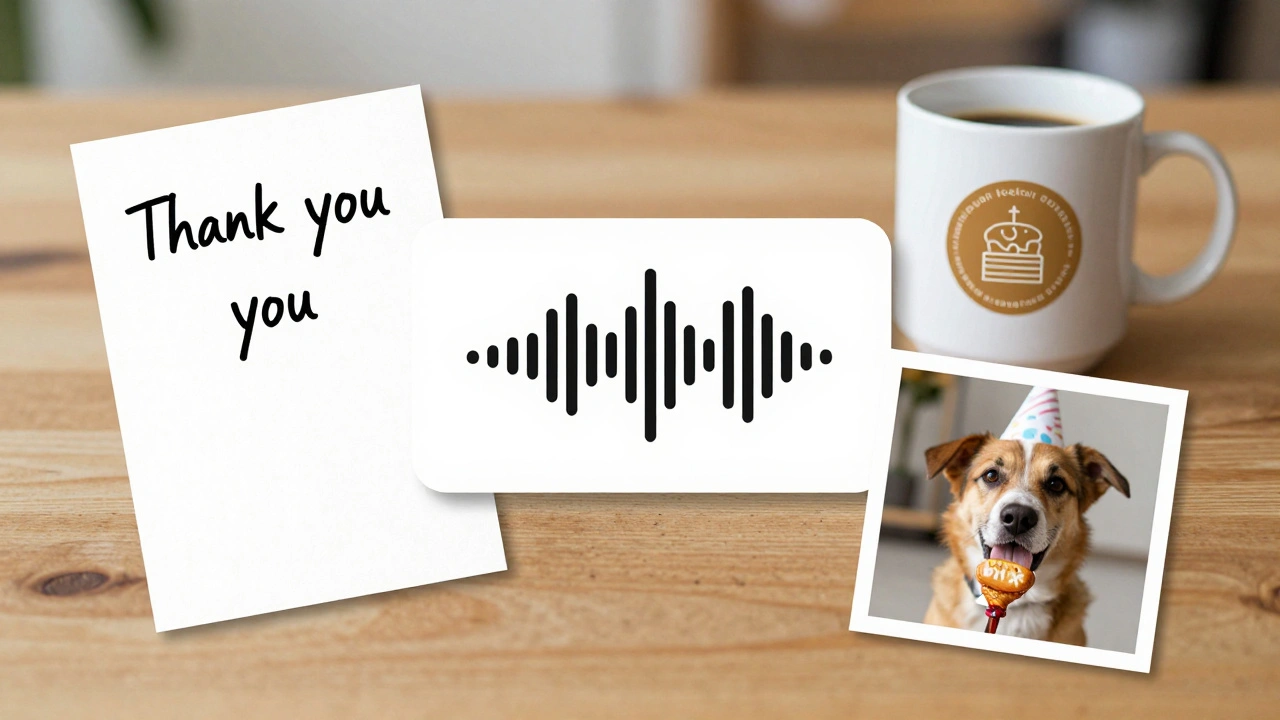
One concierge in Portland started asking clients to record a voice note on their phone after a service. She saved the best ones and played them during client onboarding. New clients didn’t just hear about the service-they heard the sigh of relief from someone who’d been there.
Where to Display Them
Putting testimonials on your website? Good. But not enough. Here’s where they actually move the needle:
- On your welcome email-include a client quote in the subject line.
- On your voicemail greeting-play a 10-second clip of a client saying, "I don’t know what I’d do without them."
- In your client portal-add a "Real Stories" section with photos and names (with permission).
- On your business cards-print one short quote on the back.
And don’t forget referrals. When someone signs up because of a referral, send them a note that says: "Thanks for trusting [Referrer’s Name]. They said you’d love our service. We’re so glad they were right." It makes the referrer feel seen-and the new client feel welcomed.
What Doesn’t Work
Don’t fake it. Don’t pay for reviews. Don’t use stock photos of smiling people holding groceries. People smell inauthenticity fast. If you’re trying to look perfect, you’ll lose trust.
Also avoid generic prompts like, "Leave us a review!" That’s noise. Instead, say: "We’d love to hear how this helped you." That invites honesty.
And never ignore a negative testimonial. If someone says, "They were late twice," reply publicly: "You’re right. We messed up. Here’s what we changed." That’s not damage control. That’s trust-building.
Start Small. Start Real.
You don’t need a big budget. You just need to pay attention.
- Next time a client thanks you, ask: "What’s one thing we did that made this easier for you?" Write it down.
- Next time someone refers you, send them a small gift-not a gift card. Something personal: local coffee, a plant, a handwritten card.
- Next time you do a job, snap a photo (with permission) and send it with a note: "Thanks for letting us help. We’re glad we could make your day easier."
Trust isn’t built with ads. It’s built with moments. And your concierge service? You’re in the business of creating those moments every day.