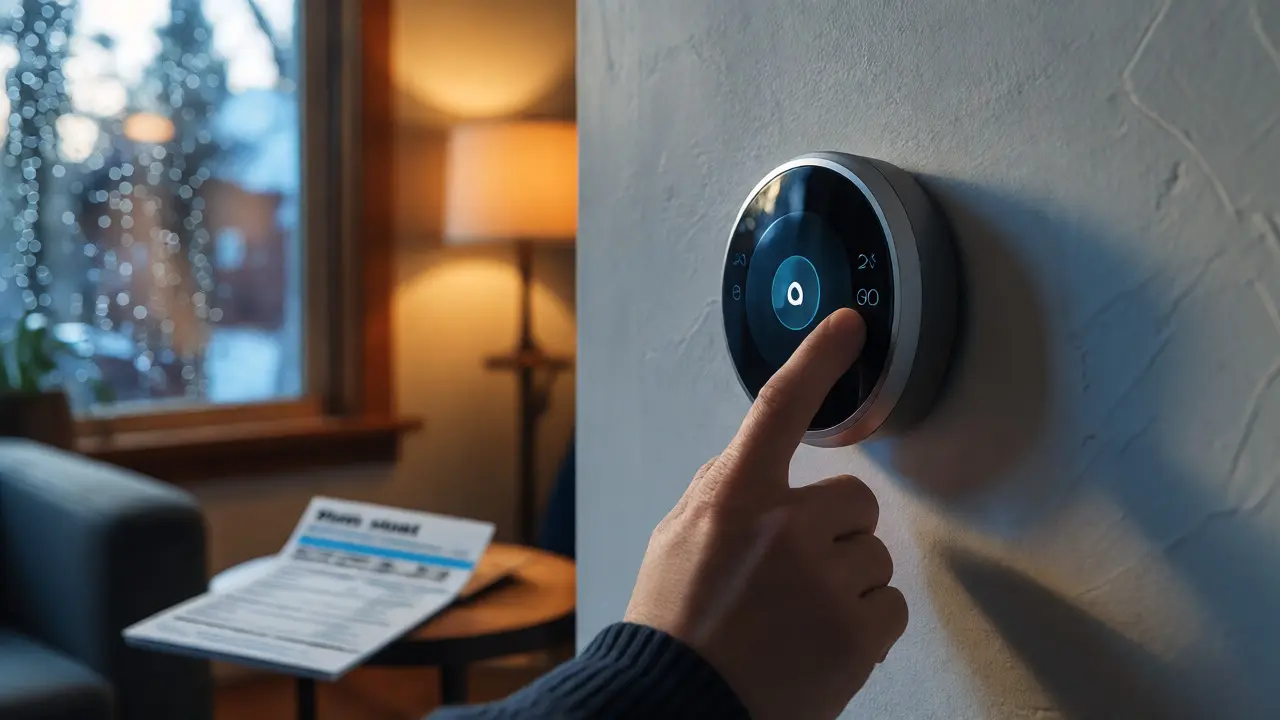
You bought the smart thermostat because your friend swore it cut their heating bill by 30%. You installed it, waited a month, and checked your statement. The number dropped, sure, but maybe only by $15 instead of the $100 you hoped for. Did you buy junk? No. You just hit the wall of realistic smart home energy savings. Most marketing materials promise magic; physics promises math. And that math is boring, specific, and often less dramatic than the ads suggest.
Living in Portland, where winters are damp and cool rather than brutally frozen, I’ve tracked my own utility bills for five years across three different homes. I’ve swapped incandescent bulbs for LEDs, installed smart plugs on everything from coffee makers to dehumidifiers, and integrated solar panels with battery backups. Here’s the unvarnished truth about what actually saves money, what breaks even after eight years, and which gadgets are just expensive toys.
The Myth of the Instant Payback
Let’s address the elephant in the room: Return on Investment (ROI). If you spend $250 on a high-end smart thermostat and save $10 a month, that’s a payback period of 25 months. That sounds great until you factor in that the device might need replacement or software updates in five years. Compare that to a standard programmable thermostat that costs $40 and does 80% of the same job. The marginal gain from the "smart" features-like geofencing or learning algorithms-is real, but it’s small.
A study by Ecobee claims an average 26% reduction in heating and cooling costs. However, independent analyses often show closer to 10-15% for typical households. Why the gap? Because people who install smart thermostats tend to be more energy-conscious already. They optimize settings manually. The device helps, but your behavior drives the savings. If you leave windows open while the heat runs, no algorithm can save you.
Where the Real Money Hides: HVAC and Water
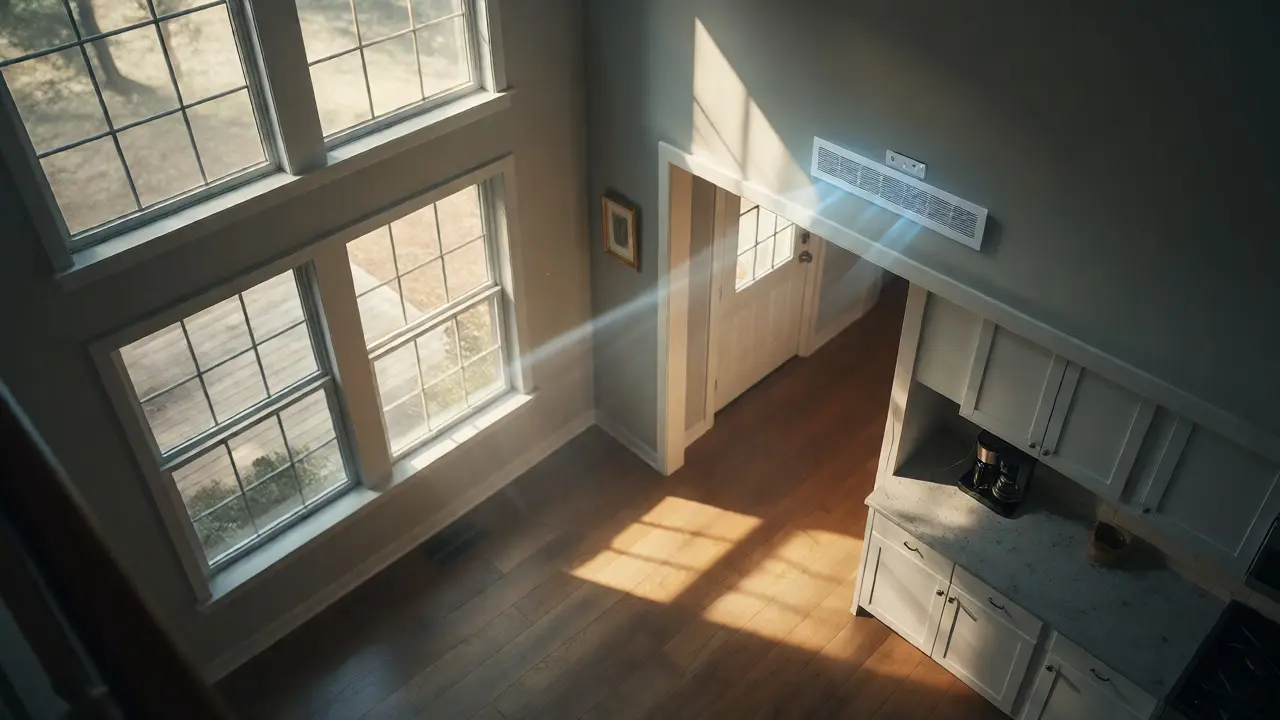
Your heating, ventilation, and air conditioning system (HVAC) accounts for nearly half of your home’s energy use. This is where smart tech has its biggest impact. But it’s not just about the thermostat. It’s about integration. A standalone smart thermostat is good. A smart thermostat connected to smart vents and a smart humidity sensor is better.
In my second home, we had a hot upstairs bedroom in summer and a cold downstairs office in winter. We installed smart vents controlled by temperature sensors in each room. By directing airflow only where needed, we reduced our AC runtime by roughly 18% during peak July days. That’s concrete data from our utility dashboard. Without the vents, the thermostat would have kept blasting air into empty rooms just to satisfy the single sensor in the hallway.
Water heating is the second-largest energy hog. Smart water heaters, like those from Rheem or State, learn your usage patterns. If you’re gone all day, they don’t keep 50 gallons of water at 120°F. They wait until you’re near home to reheat. In a two-person household with predictable schedules, this can save 10-15% on water heating costs. For larger families with erratic showers, the savings shrink because the heater constantly has to catch up.
Lighting: Less Dramatic Than You Think
People obsess over smart bulbs. Hue, LIFX, Sengled-they’re fun, they change colors, they sync with movies. But do they save energy? Barely. An LED bulb uses so little power (8-10 watts) that even if you leave it on all night, it costs pennies. Swapping a 60-watt incandescent for an LED saves ~$7 per year per bulb. Making that LED "smart" adds a Wi-Fi radio that consumes a tiny amount of standby power itself.
The real win with lighting isn’t the bulb; it’s the switch. Smart switches ensure lights aren’t left on accidentally. Motion sensors in hallways and bathrooms prevent "forgetting" scenarios. In a large house with many fixtures, automated shutoffs can save 5-10% of total lighting costs. But in a small apartment? It’s negligible. Don’t buy smart bulbs for savings; buy them for convenience.
The Phantom Load Problem
Standby power, or "vampire load," eats up to 10% of residential electricity. TVs, gaming consoles, coffee makers, and chargers sip energy when off. Smart plugs seem like the perfect fix. Plug a TV into a smart plug, set it to cut power at midnight, and voila-instant savings.
Here’s the catch: Some devices lose settings or require a hard reset when power is cut. Your DVR might miss a recording. Your Wi-Fi router will drop out if you kill it. I tested this extensively. Cutting power to my cable box saved $2/year. Cutting power to my gaming console saved $5/year. But the hassle of rebooting or missing shows wasn’t worth it. Where smart plugs shine is on appliances with clear idle states, like space heaters, fans, or Christmas tree lights. Automating those yields tangible results without breaking functionality.
Solar and Storage: The Big Gamble
If you’re serious about energy independence, smart solar inverters and battery storage are the heavy hitters. Systems like Tesla Powerwall or Enphase IQ Batteries integrate deeply with smart home hubs. They decide when to store grid energy (when rates are low) and when to discharge (when rates are high).
In California and parts of New York, time-of-use rates make this highly profitable. In Oregon, where rates are flatter, the ROI stretches longer. My neighbor installed a 10kWh battery system primarily for backup during ice storms. He sees about $20/month in arbitrage savings. At $12,000 upfront, his payback is 50 years. He didn’t buy it for the savings; he bought it for resilience. Know your local utility structure before investing here.
Realistic Savings Breakdown Table
| Device/Strategy | Upfront Cost | Avg. Annual Savings | Payback Period | Effort Level |
|---|---|---|---|---|
| Smart Thermostat | $150-$250 | $50-$150 | 2-4 Years | Low |
| Smart Vents + Sensors | $300-$500 | $40-$100 | 5-8 Years | Medium |
| Smart Lighting Switches | $100-$200 | $10-$30 | 8+ Years | Low |
| Smart Plugs (Appliances) | $20-$50 | $5-$20 | 3-6 Years | High (Management) |
| Whole-Home Energy Monitor | $100-$200 | $0 Direct* | N/A | Low |
The Data Dashboard Effect
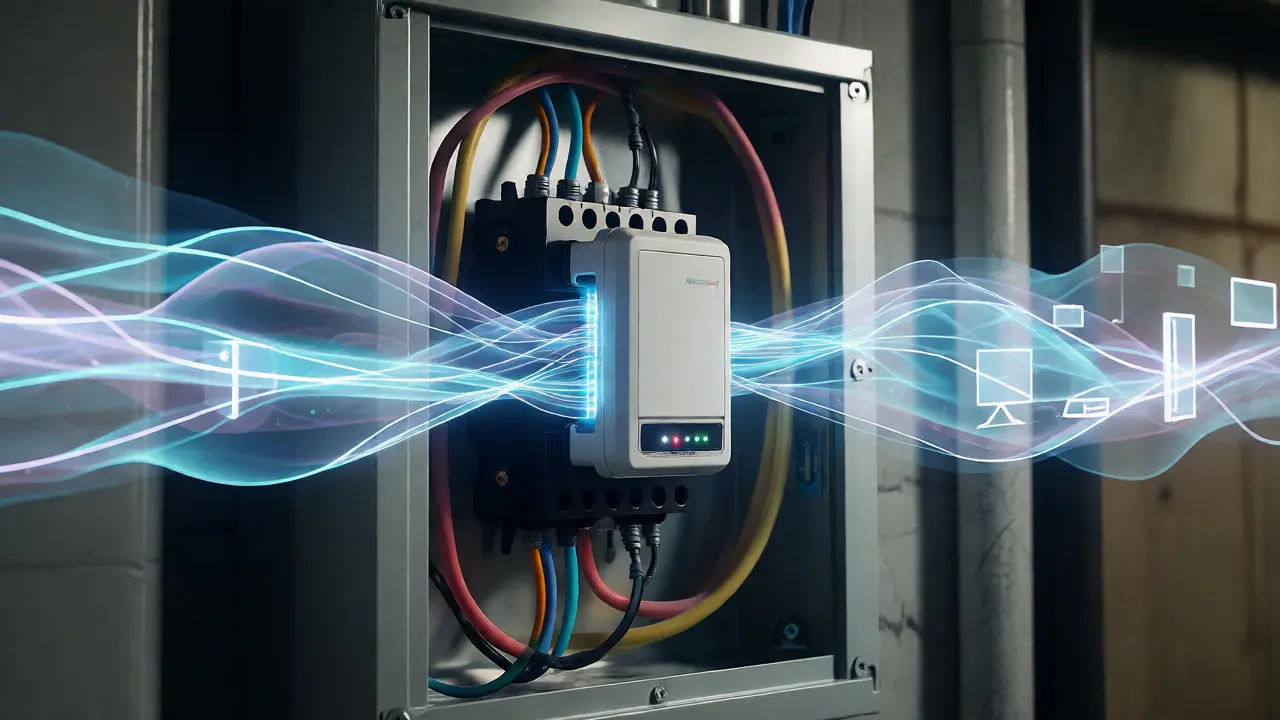
Perhaps the most underrated tool is the whole-home energy monitor, like Sense or Emporia Vue. These clamp onto your main breaker panel and break down usage by appliance. Seeing that your old fridge draws 400 watts every time it kicks on-and that it kicks on every 15 minutes-shocks you into action. Maybe you clean the coils. Maybe you replace the gasket. Maybe you finally upgrade the unit.
I found that simply having visibility reduced my consumption by 5% within the first quarter. Not because the device changed anything, but because I did. Human psychology plays a huge role in energy efficiency. If you can see the waste, you stop tolerating it.
Common Pitfalls That Kill Savings
- Over-Automation: Setting scenes that turn on ten lights, close blinds, and start music every evening looks cool but wastes energy if you’re not there. Keep automations strict.
- Wi-Fi Drain: Every smart device maintains a connection. While minimal, hundreds of devices add up. Use Zigbee or Z-Wave protocols for sensors and switches to reduce network overhead compared to Wi-Fi.
- Ignoring Maintenance: A smart thermostat can’t fix a dirty furnace filter. Clean filters improve airflow and efficiency by up to 15%. Do this regardless of your tech stack.
- Wrong Location: Putting a motion sensor in a drafty hallway means it triggers constantly, keeping lights on unnecessarily. Test placement thoroughly.
What Actually Works: A Priority List
If you want to maximize returns, follow this order of operations:
- Insulation and Air Sealing: Tech can’t beat physics. Seal gaps around doors and windows first.
- LED Conversion: Replace all remaining incandescents and CFLs.
- Smart Thermostat: Install one and program it aggressively. Set back temperatures when asleep or away.
- Energy Monitoring: Install a monitor to identify outliers.
- Targeted Smart Plugs: Apply only to high-draw appliances used intermittently.
- Smart Lighting: Add for convenience and minor gains.
Remember, the goal isn’t to automate everything. It’s to automate the things that cost you money when forgotten. Your smart home should feel invisible when it’s working right. If you’re constantly fiddling with apps to fix inefficiencies, you haven’t built a smart home; you’ve built a hobby.
Do smart thermostats really save money?
Yes, but typically 10-15% on heating and cooling bills, not the 30% often advertised. Savings depend heavily on your climate, home insulation, and how consistently you maintain optimal settings. In mild climates like Portland, OR, savings are lower than in extreme heat or cold regions.
Are smart light bulbs worth it for energy savings?
Generally, no. LED bulbs already consume very little power. The energy saved by turning them off remotely is negligible compared to the cost of the smart bulb itself. Buy smart bulbs for color control and ambiance, not for lowering your electric bill.
How long does it take to break even on smart home investments?
For a smart thermostat, expect 2-4 years. For comprehensive systems including smart vents, monitors, and plugs, it can take 5-8 years. Many homeowners value the convenience and comfort more than the pure financial ROI.
Does smart home technology increase home value?
It can make a home more attractive to buyers, especially younger ones who value connectivity. However, appraisals rarely add significant dollar value for smart devices alone. Focus on permanent upgrades like smart wiring or integrated solar, which hold value better than removable gadgets.
What is the biggest hidden cost of smart homes?
Subscription fees. Many cameras, security systems, and advanced automation platforms require monthly subscriptions ($3-$15/month per service) to access cloud features, history, or remote control. Over five years, these fees can exceed the hardware cost.