Imagine coming home after a long day, only to find your garage door wide open because the sensor failed. Or worse, imagine a scenario where a malicious actor bypasses your old radio-frequency remote and slips into your home while you're sleeping. These aren't just hypothetical nightmares; they are real risks associated with outdated or poorly rated garage systems. In 2026, the market is flooded with smart garage door controllers, but not all of them offer the same level of protection or peace of mind.
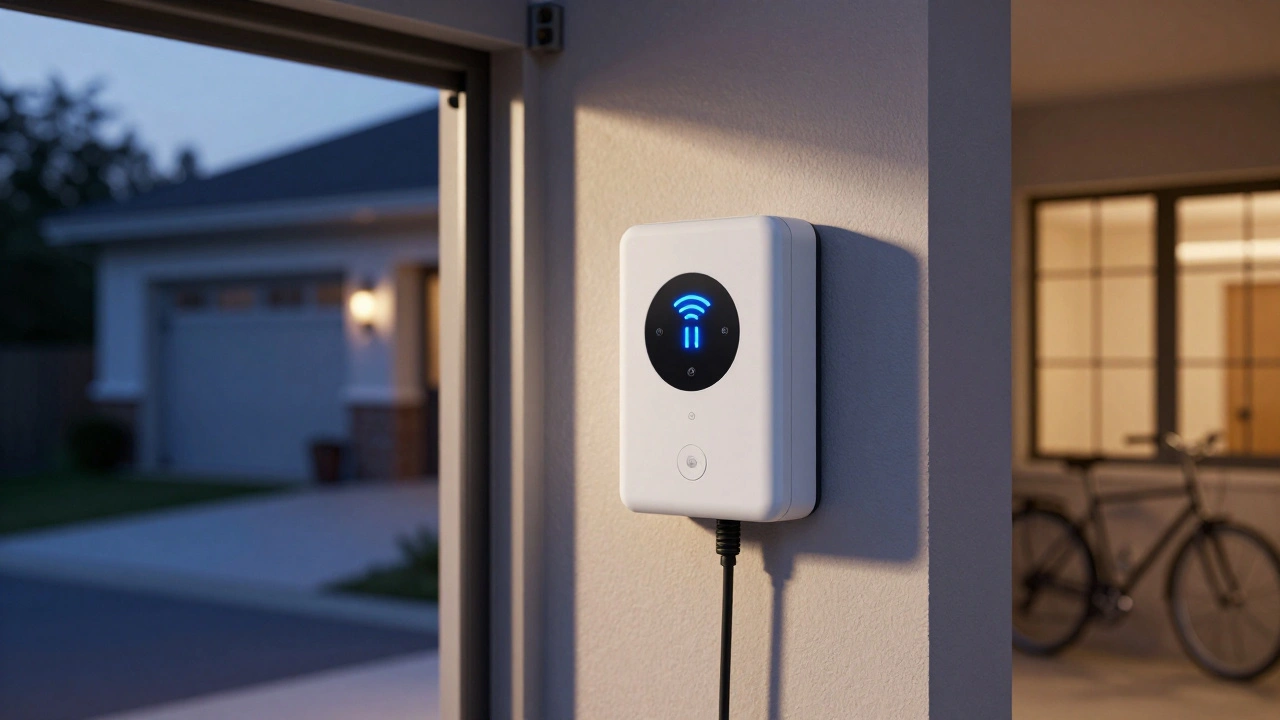
When we talk about these devices, we are looking at hardware that bridges the gap between your legacy mechanical opener and the modern digital ecosystem. The central entity here is the controller itself-a small box that translates Wi-Fi or Bluetooth signals into actions your garage motor understands. But beyond connectivity, two things matter most: will it work when you need it (reliability), and will it keep intruders out (safety)?
What is a smart garage door controller?
A smart garage door controller is a device that connects your existing garage door opener to the internet, allowing you to monitor and control it via a smartphone app. It typically uses Wi-Fi or Zigbee to communicate with your home network.
Defining Reliability in Smart Garage Systems
Reliability isn't just about whether the app loads quickly. It’s about uptime, latency, and local control. A reliable system must function even if your internet goes down. This is where the distinction between cloud-dependent and locally controlled devices becomes critical.
Many budget controllers rely entirely on the cloud. If the manufacturer's server crashes, your garage door is useless from your phone. High-rated models, however, prioritize local execution. For example, systems using Z-Wave or Thread protocols can often trigger actions directly within your home network without needing an external server handshake. This reduces latency from several seconds to milliseconds.
Another key attribute of reliability is battery backup. During power outages, your garage door opener usually has its own battery, but does the controller? Top-tier controllers like those from MyQ or Chamberlain often integrate seamlessly with the opener's power status, but third-party add-ons may lack this feature. Always check if the controller has a built-in capacitor or battery reserve to send a final "status update" before dying.
- Local Control: Can you operate the door if the internet is down?
- Latency: How long does it take for the command to execute?
- Battery Backup: Does the controller survive a power outage?
- Firmware Updates: Are updates automatic and secure?
Safety Ratings: Beyond Basic Encryption
Safety in smart garage doors involves two layers: physical safety and cybersecurity. Physically, the controller must respect the existing safety sensors of your garage door opener. Most modern openers have infrared beams that stop the door if an object is in the way. A good controller will report this obstruction status to your app. Cheap models might ignore this data, leaving you unaware that the door is stuck halfway open.
Cybersecurity is the bigger concern. Older garage openers used fixed codes, which could be intercepted by code-grabbers. Modern systems use rolling codes, but the wireless link between the controller and your phone must also be secure. Look for end-to-end encryption. Devices that comply with Matter standards generally offer higher security because they require certified authentication methods.
In 2026, any controller lacking two-factor authentication (2FA) support should be considered a risk. Without 2FA, if someone guesses your password, they have full access to your garage. Reputable brands now mandate 2FA for account creation and login.
| Feature | Basic Wi-Fi Controller | Z-Wave/Thread Hub | Matter-Compatible Device |
|---|---|---|---|
| Encryption | Standard SSL | AES-128 | End-to-End Encrypted |
| Two-Factor Auth | Optional | Required | Required |
| Obstruction Reporting | No | Yes | Yes |
| Local Fallback | No | Yes | Yes |
Top Contenders in the 2026 Market
The landscape has shifted significantly since the early days of smart home tech. Today, we see three main categories of controllers dominating the market: proprietary ecosystems, universal adapters, and hub-integrated solutions.
Proprietary Ecosystems: Brands like Chamberlain and LiftMaster continue to lead with their MyQ technology. Their strength lies in seamless integration with their own garage door openers. If you buy a new opener from them, the smart controller is often built-in. The reliability is high because the hardware and software are designed together. However, their apps can be bloated, and they sometimes push paid subscriptions for advanced features like extended history logs.
Universal Adapters: Devices like the Wink Hub or generic Wi-Fi relays allow you to connect older openers. These are great for retrofitting but vary wildly in quality. You must ensure the relay clicks physically match your opener's buttons. A poor connection leads to missed commands. Reliability here depends heavily on installation quality.
Hub-Integrated Solutions: With the rise of Apple HomeKit and Google Home, dedicated bridges are becoming popular. These devices don't just control the door; they integrate with scenes. For instance, "Goodnight" mode locks the door, turns off lights, and arms the alarm. These systems often score highest in safety ratings due to stricter platform requirements.
Installation and Compatibility Checks
Before buying, you need to verify compatibility. Not all garage door openers are created equal. Most controllers attach to the wall console of your opener. You need to check if your opener has a "learn" button and compatible radio frequencies (usually 315 MHz or 390 MHz).
If you have a very old opener (pre-1990s), you might need a full replacement rather than just a controller. Newer openers with rolling code technology are safer and easier to automate. Additionally, consider the location of your Wi-Fi router. If your garage is far from the main house, signal strength can be an issue. In such cases, a mesh network extender or a Z-Wave repeater placed in the garage is essential for reliability.
- Check your opener's model number online.
- Verify if it supports rolling code technology.
- Measure the distance from your router to the garage.
- Decide if you want a standalone device or one tied to a specific brand ecosystem.
Real-World Performance Scenarios
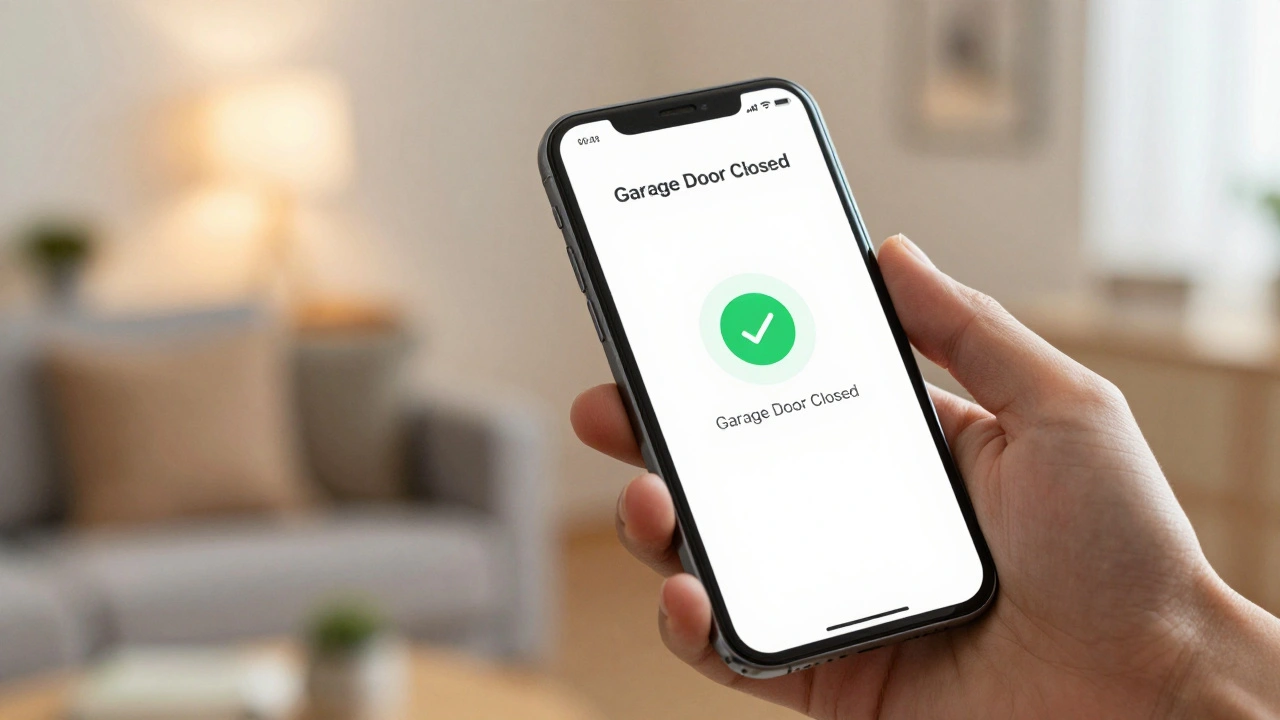
Let's look at how these ratings play out in daily life. Consider the "away from home" scenario. You leave for vacation and realize you forgot to close the garage. A reliable controller allows you to close it remotely with a confirmation alert. A less reliable one might show the door as closed when it's actually stuck open, giving you false confidence.
Another scenario is the "power surge." During storms, power fluctuations are common. Controllers with solid-state design and proper grounding handle these spikes better. Cheaper plastic enclosures may crack or fail under heat stress, leading to permanent failure. Look for IP-rated enclosures if your garage is unheated or prone to moisture.
Finally, consider user experience. Apps should be intuitive. If it takes five taps to close the door, you won't use it. Best-in-class apps provide one-tap controls, clear status indicators, and instant notifications. They also allow guest access, letting you share temporary codes with friends or service providers without giving them your main password.
Is it safe to use a smart garage door controller?
Yes, provided you choose a reputable brand with strong encryption and enable two-factor authentication. Avoid cheap, no-name brands that lack regular firmware updates, as they may have security vulnerabilities.
Do I need a hub for my smart garage door?
Not necessarily. Many modern controllers connect directly to Wi-Fi. However, if you use Z-Wave or Thread devices, you will need a compatible hub. Hubs often offer better local control and reliability during internet outages.
Can hackers break into my garage through a smart controller?
While possible, it is rare if you use a secure device with strong passwords and 2FA. Most breaches occur due to weak user credentials rather than flaws in the device itself. Keep your firmware updated to patch any known vulnerabilities.
Will a smart controller work with my old garage door opener?
Most controllers work with openers manufactured after 1993. Check the compatibility list on the manufacturer's website. If your opener is older, you may need to upgrade the opener first or use a specialized relay switch.
How do I improve the reliability of my smart garage connection?
Ensure strong Wi-Fi signal in the garage by using a mesh network or range extender. Use wired Ethernet connections if possible. Regularly reboot your router and keep the controller's firmware up to date.