Key Takeaways for Families
- Privacy is no longer a default setting; it requires active management.
- Children are more vulnerable to the psychological effects of "always-on" surveillance.
- Data transparency is often hidden behind complex terms of service.
- The balance between safety (monitoring) and trust (privacy) is delicate.
The Privacy Paradox in the Living Room
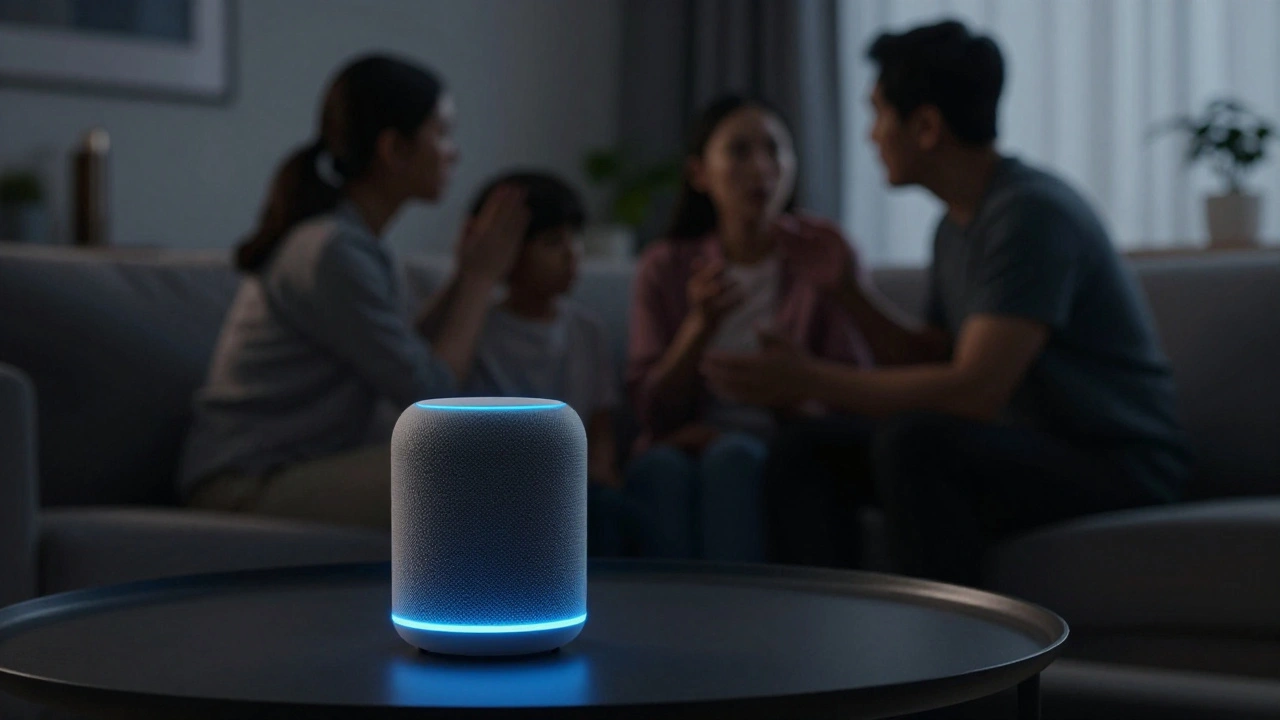
We love the magic of hands-free help, but that magic relies on a constant state of readiness. To work, a device needs to listen for a "wake word." This means the microphone is technically open, processing sound waves in real-time to identify that specific trigger. The ethical friction starts when the device misinterprets a random phrase as a command and begins recording. These "false triggers" can capture intimate conversations, medical discussions, or financial details.
When we bring these devices into a family home, we aren't just signing up for a service; we are inviting a third-party corporation into our inner circle. Amazon Alexa and Google Assistant are the heavy hitters here. They don't just process your request; they build a profile. This profile includes your habits, your mood, and even the cadence of your voice. For a single adult, this might feel like a fair trade for a smart home. But for a child, whose identity is still forming, the implications are much deeper.
| Feature | Cloud-Based Processing | On-Device Processing | Privacy Risk |
|---|---|---|---|
| Data Storage | Stored on corporate servers | Stays on the local hardware | High (Cloud) / Low (Local) |
| Processing Speed | Fast (leverages huge GPUs) | Slower (limited by chip) | Moderate |
| Personalization | High (cross-device tracking) | Low (limited to one device) | High (Profiling) |
The Impact on Child Development and Autonomy
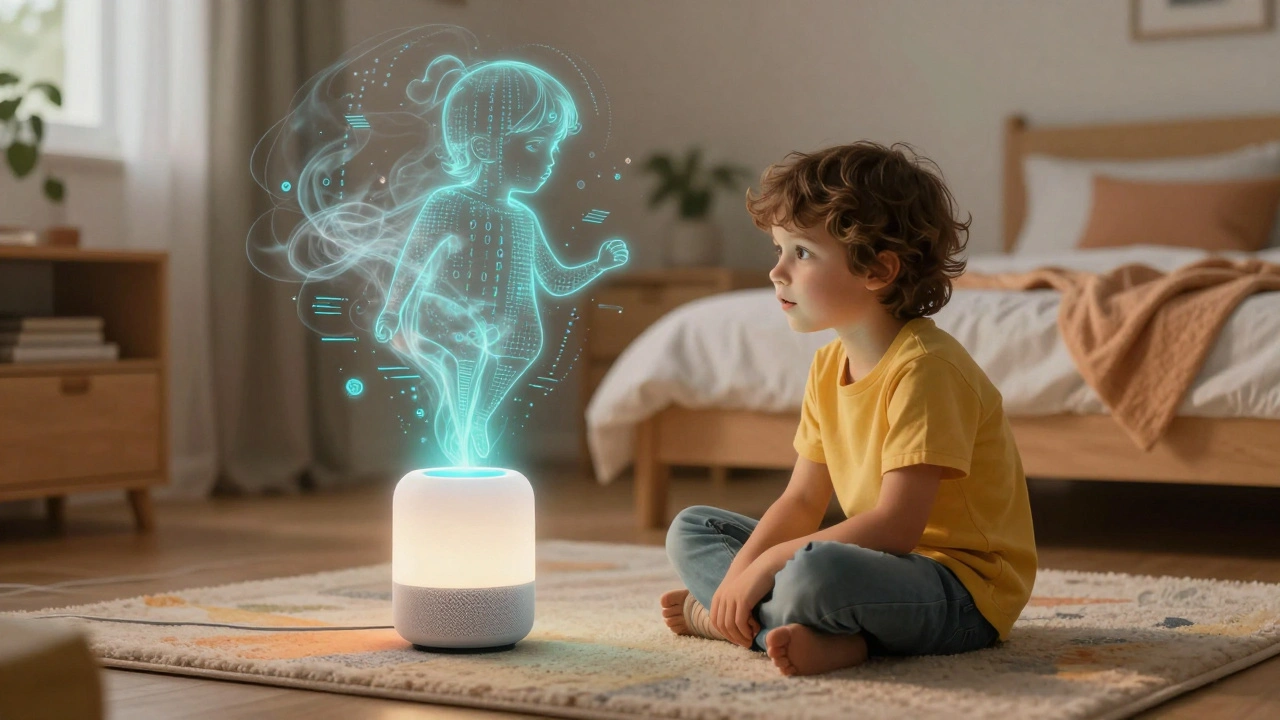
Children interact with AI differently than adults. For a five-year-old, a voice assistant isn't a piece of software; it's a friend or a magical entity that knows everything. This creates a psychological bond called "anthropomorphism," where humans attribute human traits to non-human objects. When a child trusts a device, they are more likely to share secrets or personal information that they wouldn't tell a stranger.
There's also the issue of surveillance. Many parents use Smart Home ecosystems to monitor their kids. While the intent is safety, the result can be a feeling of constant observation. If a child grows up knowing that every word is potentially recorded and analyzed, does that stifle their creativity? Does it make them more cautious or less authentic in their own home? When the "home" stops being a sanctuary and starts being a data collection point, the fundamental nature of childhood changes.
Algorithmic Bias and the Family Echo Chamber
Voice assistants don't just listen; they suggest. Whether it's recommending a song, a recipe, or an answer to a historical question, the AI is filtering reality through an algorithm. The danger here is the reinforcement of biases. If an AI consistently associates certain roles or stereotypes with specific genders or ethnicities in its responses, children absorb these as facts. Since voice assistants are designed to be authoritative and confident, the "wrong" answer sounds just as true as the "right" one.
Furthermore, we have to consider the "echo chamber" effect. If the assistant learns that a family prefers a certain political leaning or lifestyle, it will continue to feed them information that confirms those views. In a family setting, this can limit a child's exposure to diverse perspectives, effectively narrowing their worldview before they've even entered a classroom.
Consent and the "Invisible" User
Who actually consents to have a microphone in the room? The person who bought the device did. But what about the guests? What about the babysitter, the visiting grandparent, or the neighbor? Most homes don't have a sign that says "Warning: This room is being monitored by a cloud-based AI." This creates a massive gap in Informed Consent, which is a cornerstone of ethical data collection.
The ethical burden falls on the homeowner to notify visitors, but in reality, it rarely happens. The device becomes a piece of furniture-invisible yet active. This invisibility is a feature for the company (it makes the tech seamless) but a bug for human rights. When you remove the visual cue of a recording device, you remove the user's ability to choose whether they want to be part of the data set.
Strategies for an Ethical Smart Home
You don't have to throw your devices in the trash to be ethical. It's about moving from passive consumption to active management. Start by auditing your settings. Most assistants have a "delete history" option; use it. Better yet, set it to auto-delete every 3 or 18 months. This limits the amount of historical data a company can use to build a profile of your family.
Teach your children about the AI. Instead of letting them treat the speaker as a magic genie, explain that it's a tool connected to a big computer far away. Encourage them to ask, "Why did the AI say that?" and "Who decided this answer was the best one?" By turning the technology into a teaching moment, you move the child from being a data subject to being a critical thinker.
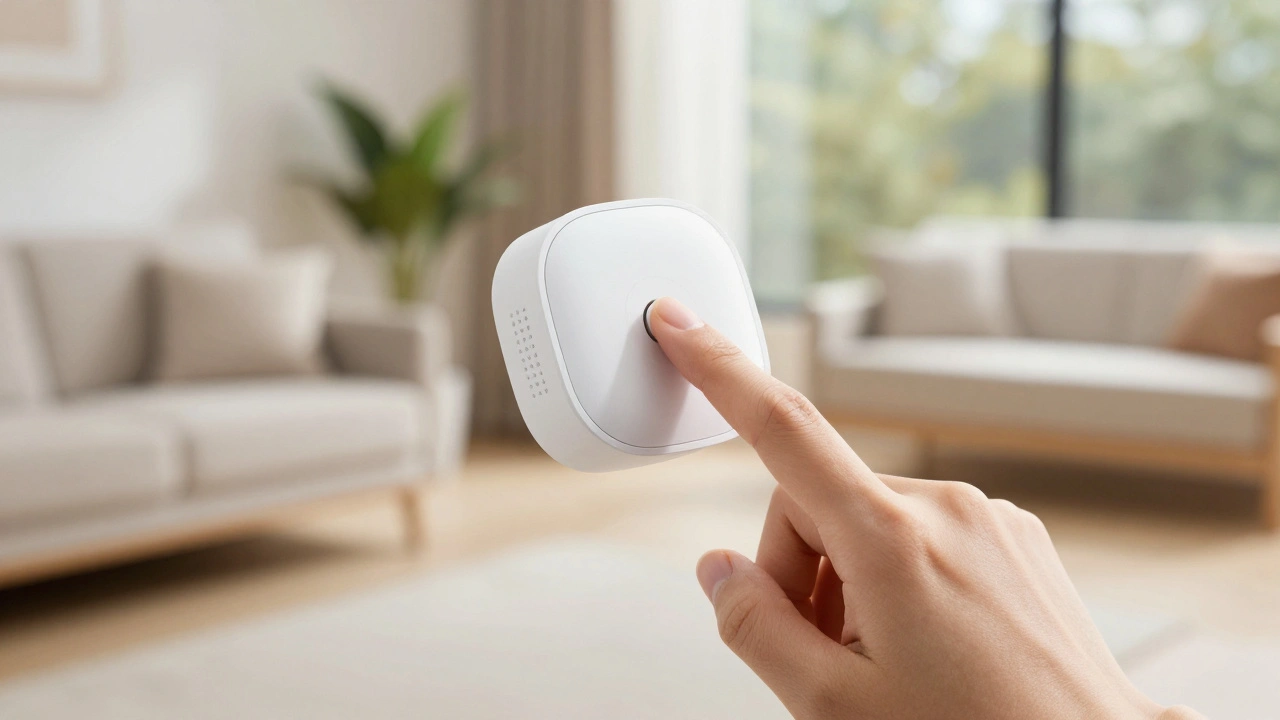
Consider hardware solutions. Use the physical mute switch when having sensitive family meetings or deep emotional conversations. If you have the choice, opt for devices that advertise "local processing," meaning the voice recognition happens on the chip inside the device rather than sending the audio file to a server in another state. This drastically reduces the attack surface for data breaches.
Do voice assistants record everything?
Technically, they are always listening for the wake word, but they only record and upload audio once that word is detected. However, "false triggers" happen frequently, where the AI thinks it heard the wake word and records a segment of conversation without your knowledge.
Can children be permanently profiled by AI?
Yes. Data collected during childhood-such as interests, voice patterns, and habits-can be stored for years. Depending on the company's privacy policy, this data could potentially influence the ads or services they see as adults, creating a lifelong digital footprint before they can even consent.
Is it ethical to use voice assistants for child monitoring?
It's a trade-off. While it provides safety and convenience, it can damage the trust between parent and child. Ethical use involves being transparent with the child about when and why they are being monitored, rather than doing it in secret.
How do I stop my device from saving voice recordings?
Go into the privacy settings of your account (Amazon, Google, or Apple). Look for "Voice History" or "Activity Controls." You can toggle off "Save recordings" or set an auto-delete schedule to wipe data every few months.
What is 'anthropomorphism' in AI?
It's the human tendency to give human qualities, like feelings or intentions, to non-human things. In families, this happens when children treat a voice assistant as a friend, which can lead to them sharing more private information than they would with a machine.
Next Steps for Your Family
If you're feeling overwhelmed, start small. Spend one evening this week sitting down with your partner or kids and looking at the "Activity Log" of your voice assistant. Seeing exactly what the device thought it heard is often a wake-up call that prompts a more serious conversation about boundaries. Decide together which rooms are "AI-free zones"-like the bedroom or bathroom-to preserve a baseline of absolute privacy.
For those who are tech-savvy, look into open-source alternatives like Mycroft or Home Assistant. These allow you to run your own voice control systems locally on a Raspberry Pi, meaning your data never leaves your four walls. It takes more work to set up, but the peace of mind is priceless.