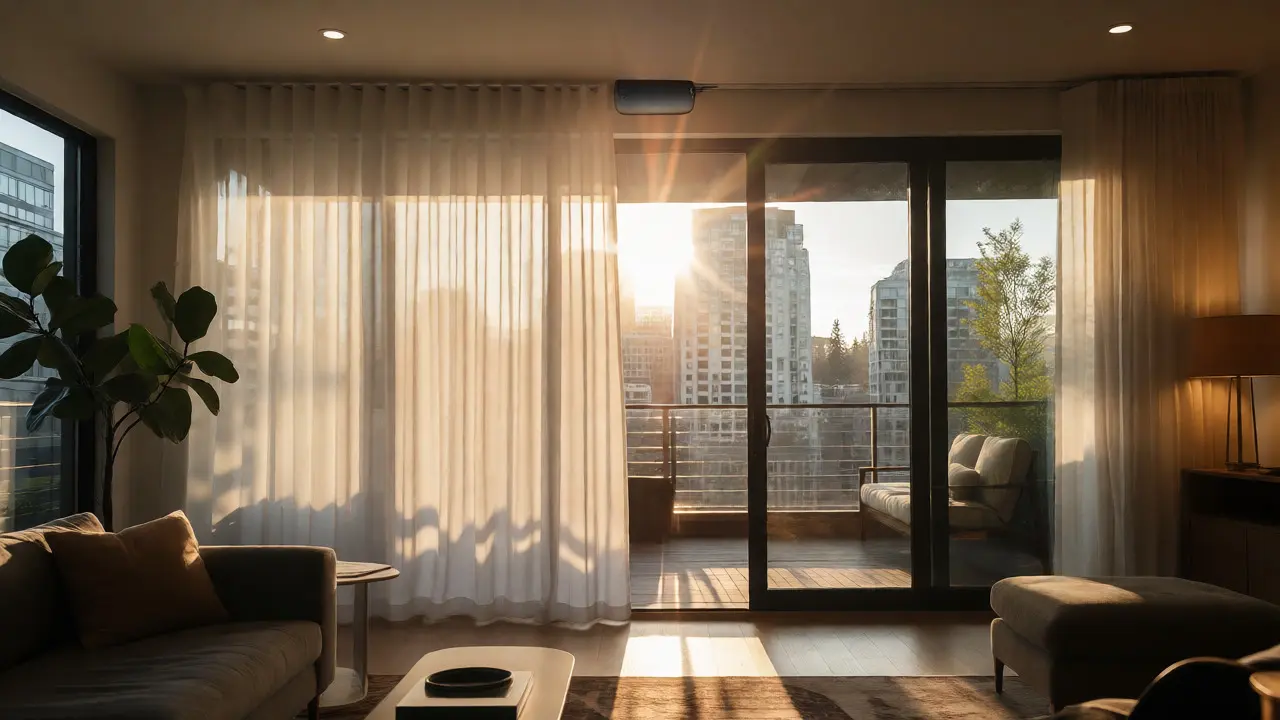
Imagine waking up on a Saturday morning. Instead of dragging yourself out of bed to wrestle with stiff fabric or tangled cords, your bedroom fills with soft, natural light as the curtains glide open silently at the touch of a button-or automatically based on the sunrise time you set last night. This isn't just luxury; it's practicality. Smart drapery tracks are motorized systems that automate the opening and closing of heavy drapes, offering convenience, energy efficiency, and a sleek aesthetic that traditional rods simply can't match.
If you've ever struggled with floor-to-ceiling windows or hard-to-reach skylights, you know the pain of manual operation. But before you rush out to buy the first gadget you see, you need to understand what makes these systems tick. Not all motors are created equal, and compatibility issues can turn a dream setup into a wiring nightmare. Let’s break down exactly how they work, what to look for, and why this tech might be the upgrade your home needs in 2026.
What Exactly Are Smart Drapery Tracks?
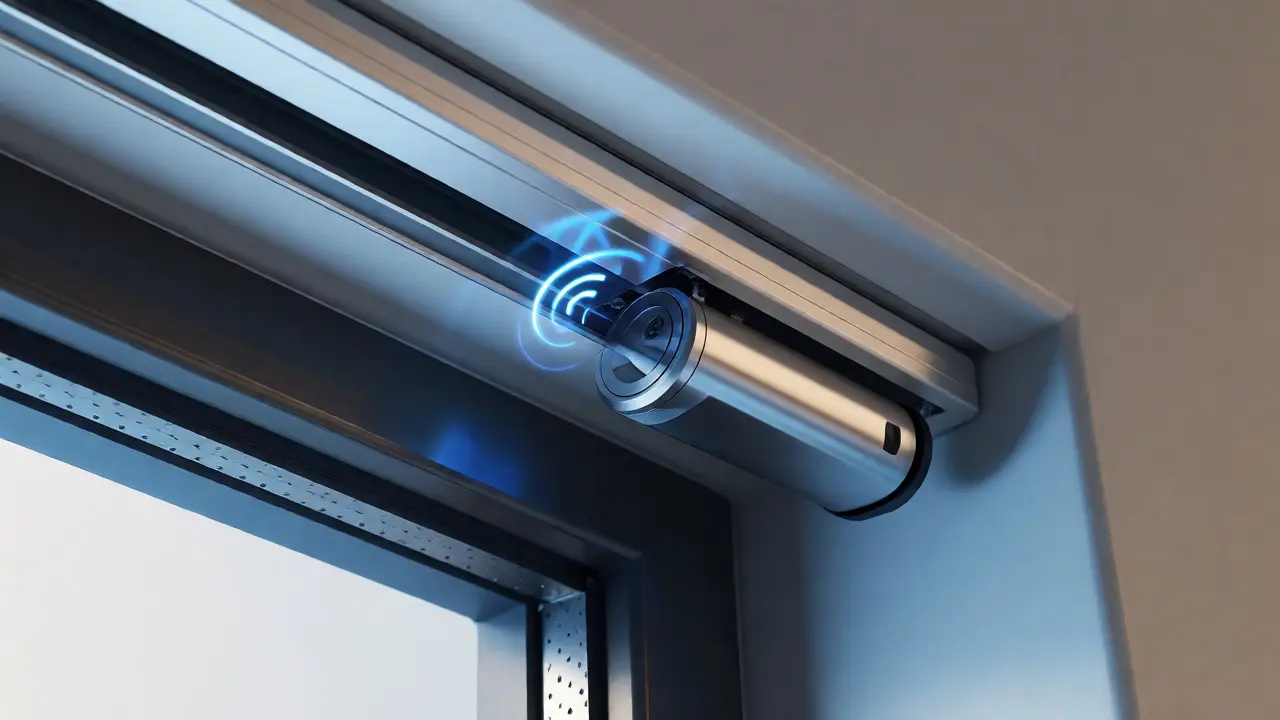
At their core, smart drapery tracks are rail systems equipped with a small electric motor that pulls a carrier along the track. Unlike standard curtain rods where you pull the fabric by hand, these tracks use a drive belt or a cord loop connected to the motor. When you send a command-via an app, voice assistant, or wall switch-the motor spins, moving the curtain hooks smoothly across the rail.
The key difference between a basic motorized rod and a true smart system is connectivity. A basic motor just moves. A smart system connects to your home network (Wi-Fi, Zigbee, or Matter) allowing for scheduling, integration with other devices, and remote control. For example, if your smart thermostat detects the house is heating up too fast, it can trigger the drapes to close, blocking solar gain without you lifting a finger.
Why Bother With Motorization? The Real Benefits
Sure, it looks cool. But does it actually solve problems? Yes, in three specific ways:
- Accessibility and Convenience: If you have high ceilings, oversized windows, or mobility issues, reaching those cords is a hassle. Voice commands like "Hey Google, close the living room drapes" remove the physical barrier entirely.
- Energy Efficiency: Sunlight heats up rooms significantly. By automating closures during peak afternoon sun hours, you reduce the load on your air conditioning. In Portland, where summers are getting hotter, this can shave noticeable dollars off your cooling bills.
- Security and Presence: Randomizing open/close times while you're on vacation makes your home look occupied. It’s a subtle but effective deterrent against burglars who watch for patterns.
There is also the aesthetic factor. Motorized tracks hide the mechanism completely. You don't see bulky boxes or dangling wires. The result is a clean, minimalist look that modern interior designers love.
Choosing Your Power Source: Wired vs. Battery
This is the biggest decision you’ll make, and it depends entirely on your current setup. There are two main types of power sources for motorized curtain solutions.
| Feature | Wired (Hardwired) | Battery-Powered (Rechargeable) |
|---|---|---|
| Installation Difficulty | High (requires electrical access near window) | Low (no drilling for power needed) |
| Maintenance | Zero maintenance once installed | Requires recharging every 3-6 months |
| Reliability | Extremely high; no dead batteries | Good, but risk of running out mid-cycle |
| Cost | Lower unit cost, higher installation labor | Higher unit cost, DIY-friendly |
| Best For | New constructions or major renovations | Renters or existing homes without nearby outlets |
If you are building new or remodeling, go wired. Running a low-voltage wire from a junction box to the top of the window frame takes minutes for an electrician and eliminates battery anxiety forever. However, if you live in an older home like many here in Portland, tearing up walls to run wires is expensive. That’s where rechargeable lithium-ion packs come in. Modern brands like Somfy or Lutron offer packs that last months on a single charge. Just remember: you still need to climb a ladder twice a year to plug them in.
Ecosystem Compatibility: Wi-Fi, Zigbee, or Matter?
You don’t want a smart device that plays alone. You want it to talk to your lights, locks, and speakers. Currently, the market is fragmented, but Matter is changing that. Matter is a universal standard that allows devices from different brands to communicate seamlessly.
Here is the quick cheat sheet for protocols:
- Wi-Fi: Easy to set up directly with your router. Good for standalone apps. Downside: Can clog your network if you have dozens of devices.
- Zigbee/Z-Wave: Uses a hub (like Home Assistant or SmartThings). More reliable and less congested than Wi-Fi. Requires a compatible hub.
- Matter over Thread: The future standard. Works directly with Apple HomeKit, Amazon Alexa, and Google Home without needing brand-specific hubs. Look for "Matter Certified" badges when buying in 2026.
If you are deep into the Apple ecosystem, prioritize HomeKit compatibility. If you use Alexa routines heavily, ensure the motor supports Alexa directly rather than relying on a third-party bridge, which adds latency.
Installation Pitfalls to Avoid
I’ve seen plenty of failed installs. Here is what goes wrong most often:
- Ignoring Weight Limits: Every motor has a maximum weight capacity. Heavy velvet drapes on a wide track might stall a weak motor. Always check the torque specs. For drapes over 50 pounds, look for tubular motors designed for heavy loads.
- Measuring Wrong: Measure the exact width of the opening, not the window glass. Also, consider stack-back-the space needed for the curtains to fold neatly when open. If your track is too short, the curtains will bunch up awkwardly.
- Network Dead Zones: Test your Wi-Fi signal strength at the window location before installing. Thick brick walls or metal studs can block signals. If the signal is weak, consider a mesh extender or switching to a Zigbee protocol.
Pro Tip: Always install the track level. Even a slight tilt can cause the motor to strain unevenly, leading to premature wear. Use a laser level, not just a bubble one.
Top Brands Worth Considering in 2026
The market has matured. You don't have to stick with obscure startups. Three names dominate for reliability:
- Lutron: Known for premium quality and seamless integration with high-end lighting systems. Their Sivoia QS Triathlon line is quiet and powerful. Expensive, but worth it for whole-home automation.
- Somfy: The European giant. Their RTS and ioHomeKit protocols are robust. Great for retrofitting because they offer excellent battery-powered options.
- Aqara & SwitchBot: Budget-friendly options that work well with Matter. SwitchBot offers curtain bots that clip onto existing rails, making them perfect for renters who can’t drill holes.
For most homeowners, starting with a reputable brand ensures you get firmware updates and support. Cheap generic motors often fail within two years.
Frequently Asked Questions
Can I retrofit my existing curtains with a smart track?
Yes, but it depends on your current hardware. If you have a standard rod, you likely need to replace the entire rod with a motorized track. However, some devices like the SwitchBot Curtain Bot attach directly to existing U-shaped or I-shaped rails without removing the fabric, making them ideal for renters.
How loud are motorized curtain tracks?
Modern DC motors are very quiet, typically operating below 40 decibels. This is quieter than a library whisper. You might hear a faint hum, but it shouldn't disturb sleep or conversation. Brushless motors tend to be quieter and longer-lasting than brushed ones.
Do smart drapery tracks work during power outages?
Battery-powered models continue to work indefinitely until the battery dies. Wired models usually include a manual override feature-a small cord or clutch-that allows you to pull the curtains open or closed by hand if the electricity is out.
Can I integrate smart drapes with solar shades?
Absolutely. Many users layer motorized sheer curtains with motorized blackout blinds or solar shades. You can create scenes where both operate together-for example, "Movie Mode" closes the blackouts and dims the lights simultaneously.
Is Matter compatibility necessary for smart curtains?
It is highly recommended for future-proofing. While proprietary ecosystems (like Lutron or Somfy) work well today, Matter ensures that your devices remain compatible with new hubs and assistants regardless of which company you choose in the next five years.