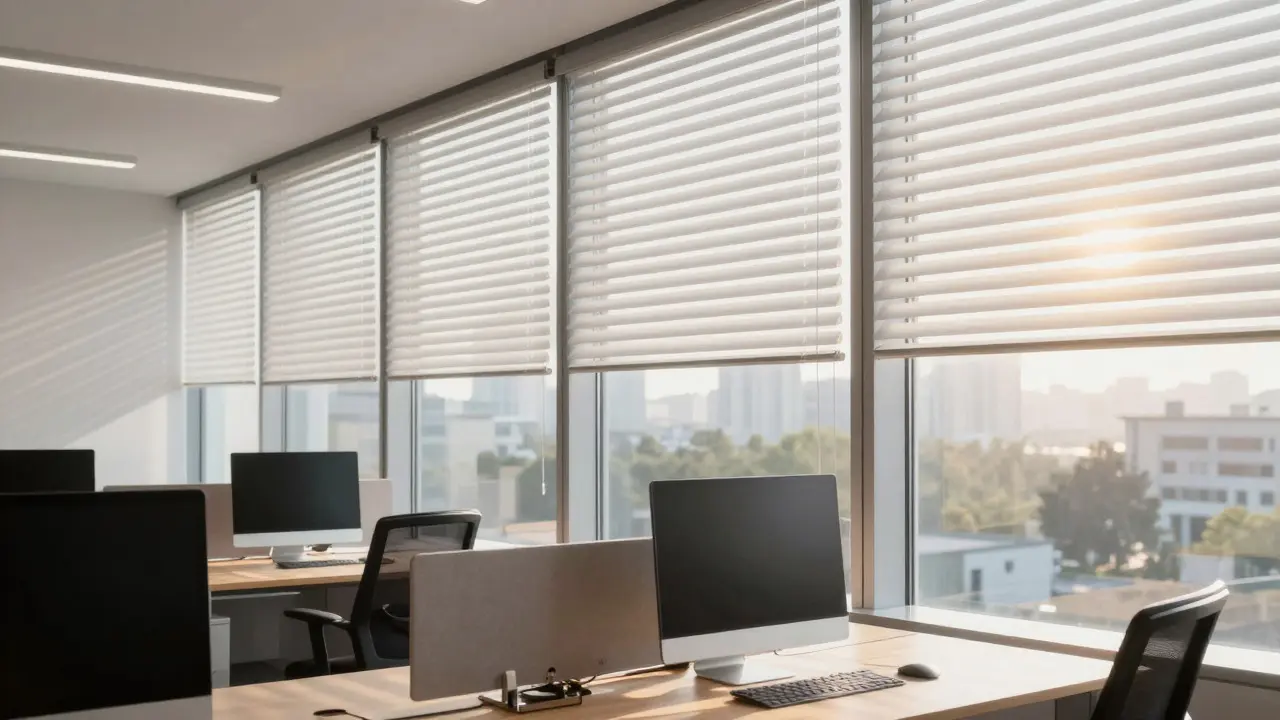
Imagine walking into an office where the sunlight doesn't glare on your monitor, yet the room stays bright enough that you don't need to turn on a single light switch. That is the promise of smart blinds is motorized window coverings controlled via sensors, apps, or building management systems to optimize lighting and thermal performance. Unlike traditional manual blinds, these systems adjust automatically based on sun position, indoor temperature, and occupancy levels. For commercial real estate managers and facility heads, this isn't just about looking modern; it is a tangible strategy to cut energy bills and keep employees productive.
The Energy Efficiency Mechanism
The core value proposition of smart blinds lies in their ability to decouple daylighting from heat gain. In a standard office, windows are either open (letting in heat and glare) or closed (blocking light and forcing artificial lighting). Smart blinds sit in the middle ground. By tilting slats to specific angles, they allow diffuse daylight to enter while blocking direct solar radiation. This process, known as dynamic shading, reduces the load on air conditioning units significantly.
According to data from the U.S. Department of Energy, windows account for 25% to 30% of total energy used for heating and cooling in commercial buildings. When smart blinds are integrated with Building Management Systems (BMS), they can react in real-time. If the outdoor temperature spikes, the blinds close to reduce solar heat gain. If it is a cold winter day, they open to capture passive solar heat. This automated behavior eliminates the guesswork involved in manual adjustments, ensuring the building envelope works efficiently around the clock.
Boosting Occupant Comfort and Productivity
Energy savings are great for the bottom line, but if the office feels uncomfortable, the investment fails. Studies in environmental psychology show that visual discomfort-specifically glare and excessive brightness contrast-is a leading cause of employee distraction. Smart blinds solve this by maintaining a consistent illuminance level across the workspace. They prevent hot spots near windows and dark corners in the center of the room.
Thermal comfort is another critical factor. Drafts from poorly managed windows create microclimates that make some zones too hot and others too cold. By regulating the amount of solar heat entering the space, smart blinds help stabilize indoor temperatures. This stability means less reliance on spot-cooling or spot-heating, which often leads to complaints among staff. When people feel comfortable, they focus better. Reduced eye strain from glare directly correlates with higher task completion rates in knowledge-work environments.
Integration with Building Management Systems
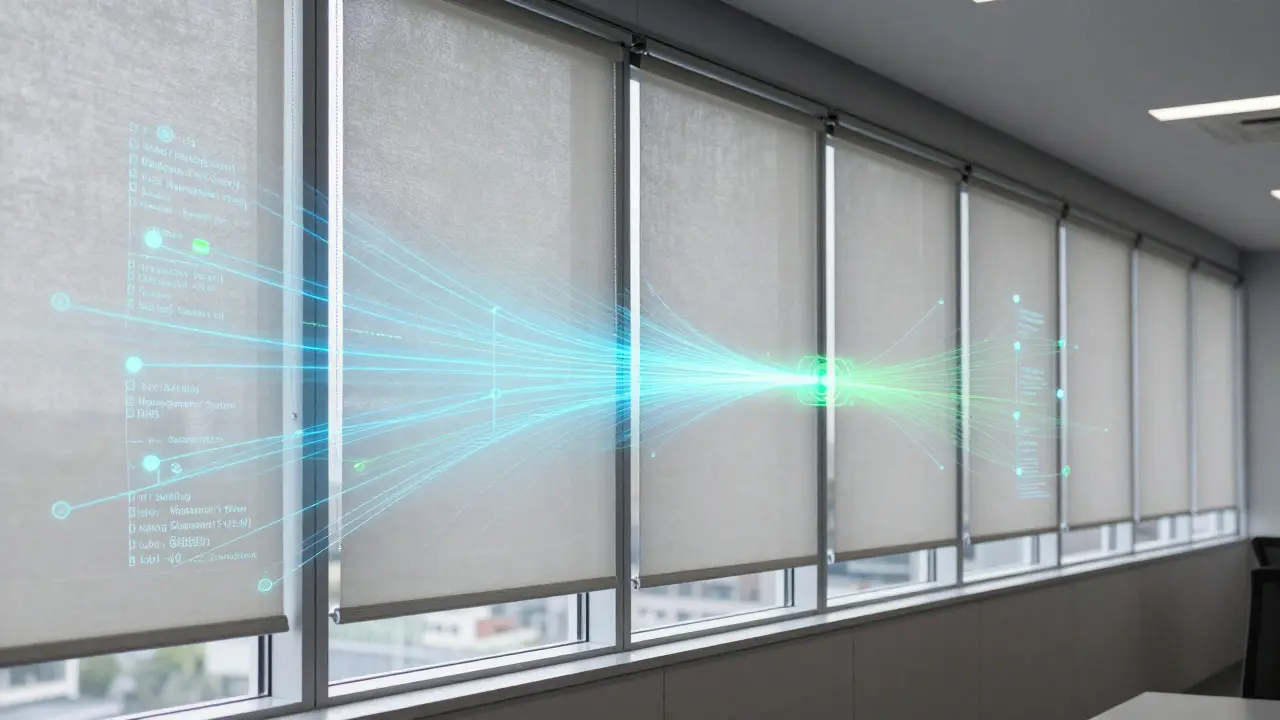
To get the most out of smart blinds, they must not operate in isolation. The true power emerges when they talk to your BMS. A well-integrated system uses data from multiple sources: outdoor weather forecasts, indoor CO2 sensors, motion detectors, and thermostat settings. For example, if the forecast predicts a cloudy afternoon, the blinds might stay open to maximize natural light. If a meeting room is empty, the blinds can close to save energy without anyone noticing until the next group enters.
This integration requires compatible protocols. Most modern commercial smart blinds use Zigbee, Z-Wave, or Wi-Fi for communication. Your BMS needs a gateway that can translate these signals into actionable commands. It is crucial to verify compatibility before purchase. A mismatch between the blind motor protocol and the BMS controller can lead to fragmented control, where you end up managing lights on one app and blinds on another, defeating the purpose of automation.
Cost-Benefit Analysis for Commercial Spaces
One common hesitation is the upfront cost. Installing motorized systems in a large office floor is more expensive than buying standard venetian blinds. However, the return on investment (ROI) typically materializes within three to five years through energy savings alone. When you factor in increased property value and tenant retention, the timeline shrinks even further.
| Feature | Traditional Manual Blinds | Smart Motorized Blinds |
|---|---|---|
| Control Method | Manual cord or wand | App, voice, sensor, or BMS integration |
| Energy Impact | Static; depends on user habit | Dynamic; optimizes HVAC and lighting loads |
| Maintenance | Low; occasional cleaning | Medium; battery/battery-pack checks required |
| Upfront Cost | $10 - $20 per sq ft | $40 - $80 per sq ft |
| Lifespan | 5 - 7 years | 10 - 15 years |
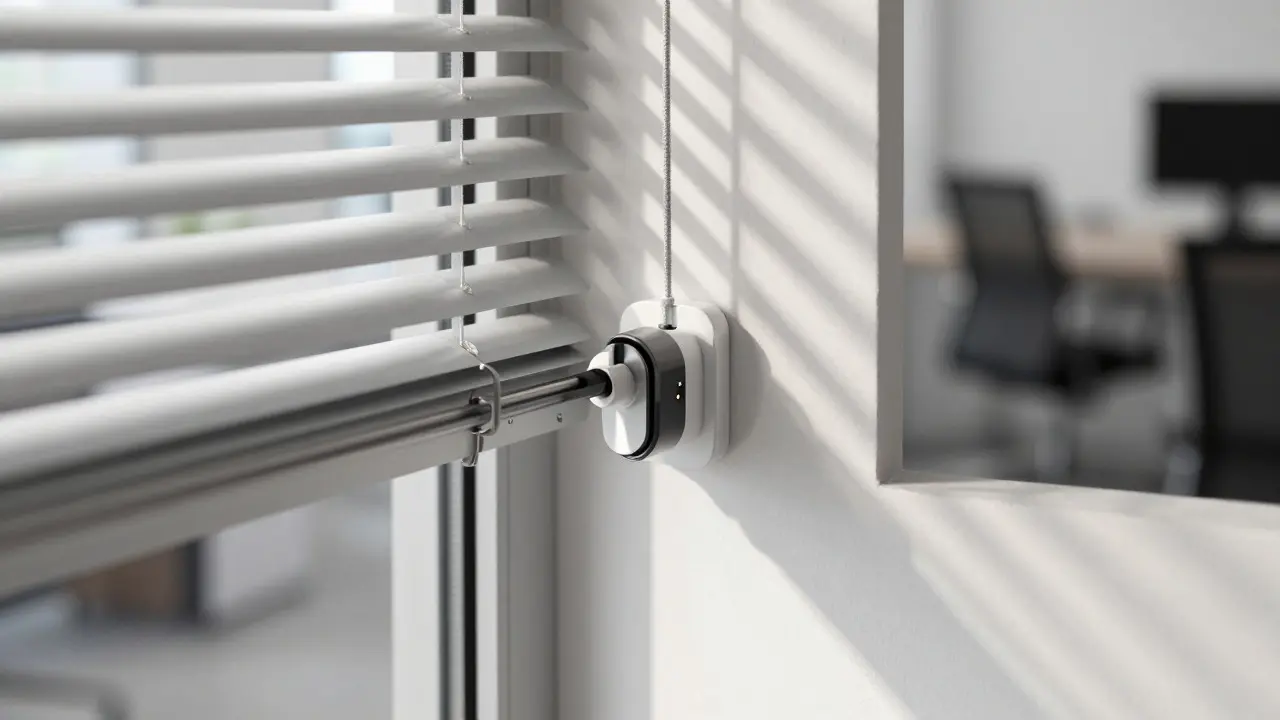
Note that the cost per square foot varies heavily depending on the type of blind (roller, venetian, honeycomb) and the complexity of the installation. Hardwired motors are more reliable long-term than battery-operated ones but require more complex installation during fit-out phases. For existing buildings, battery-powered options offer a non-invasive retrofit path, though they require periodic maintenance.
Common Pitfalls to Avoid
Not every smart blind project goes smoothly. Here are the traps that catch many facility managers off guard:
- Ignoring Sun Path Analysis: Not all windows face the same direction. East-facing windows get intense morning sun, while west-facing windows suffer from harsh afternoon heat. Using the same automation schedule for all windows is inefficient. You need zone-specific programming.
- Poor Sensor Placement: If your occupancy sensors are blocked by furniture or placed in dead zones, the blinds will waste energy adjusting for empty rooms. Test sensor coverage thoroughly before finalizing the layout.
- Lack of User Override: Employees hate feeling powerless over their environment. Always include a simple physical switch or a mobile app option that allows users to manually override the automatic settings. If they can’t take control, they will complain, and the perceived benefit disappears.
- Network Bandwidth Issues:** In dense office environments, adding hundreds of Wi-Fi devices can congest the network. Consider using dedicated IoT channels or low-power mesh networks like Zigbee to avoid interference with corporate Wi-Fi.
Implementation Roadmap
Rolling out smart blinds across a commercial office is a phased process. Start with a pilot zone. Pick one floor or a few high-traffic areas. Install the hardware, integrate it with the BMS, and run it for three months. Track energy usage before and after. Gather feedback from occupants. Did they notice the difference? Were there any technical glitches? Once the pilot proves successful, scale up. Standardize the hardware vendors to simplify maintenance. Train your facilities team on how to troubleshoot basic issues, such as resetting a stuck motor or updating firmware. Document the configuration settings so that future changes are easy to replicate. Finally, consider the aesthetic aspect. Smart blinds come in various fabrics and colors. Ensure they match the office design language. A high-tech feature that looks out of place can undermine the professional image of the space. Choose neutral tones or textures that blend with the interior decor while still providing the functional benefits of automation.
Do smart blinds work in older commercial buildings?
Yes, but the approach differs. Retrofitting usually involves battery-powered motor kits that attach to existing blind mechanisms. While less seamless than hardwired installations, they avoid major construction work. Check the weight capacity of the existing tracks to ensure they support the added motor weight.
How much energy can I actually save with smart blinds?
Savings vary by climate and building orientation, but typical reductions in HVAC energy consumption range from 10% to 20%. Lighting energy savings can be another 5% to 10% due to reduced need for artificial light during daytime hours. The combined effect depends on how well the system is programmed to local conditions.
Are smart blinds secure against hacking?
Most commercial-grade systems use encrypted communication protocols like Zigbee or proprietary RF signals, which are harder to intercept than consumer Wi-Fi devices. To enhance security, isolate the IoT network from the main corporate LAN using VLANs. Keep firmware updated to patch any vulnerabilities promptly.
What happens if the internet goes down?
Local controllers usually handle basic functions independently. If the cloud connection drops, the blinds can continue operating on pre-set schedules stored locally. Voice control via cloud assistants may fail, but local buttons and scheduled automations will persist. Ensure your system has robust local processing capabilities for critical operations.
Can smart blinds be controlled by voice assistants?
Yes, many brands integrate with Amazon Alexa, Google Assistant, and Apple HomeKit. This allows employees to say things like "close the blinds in conference room B." However, for large-scale commercial deployments, direct BMS integration is preferred over relying solely on third-party voice platforms for reliability and centralized management.