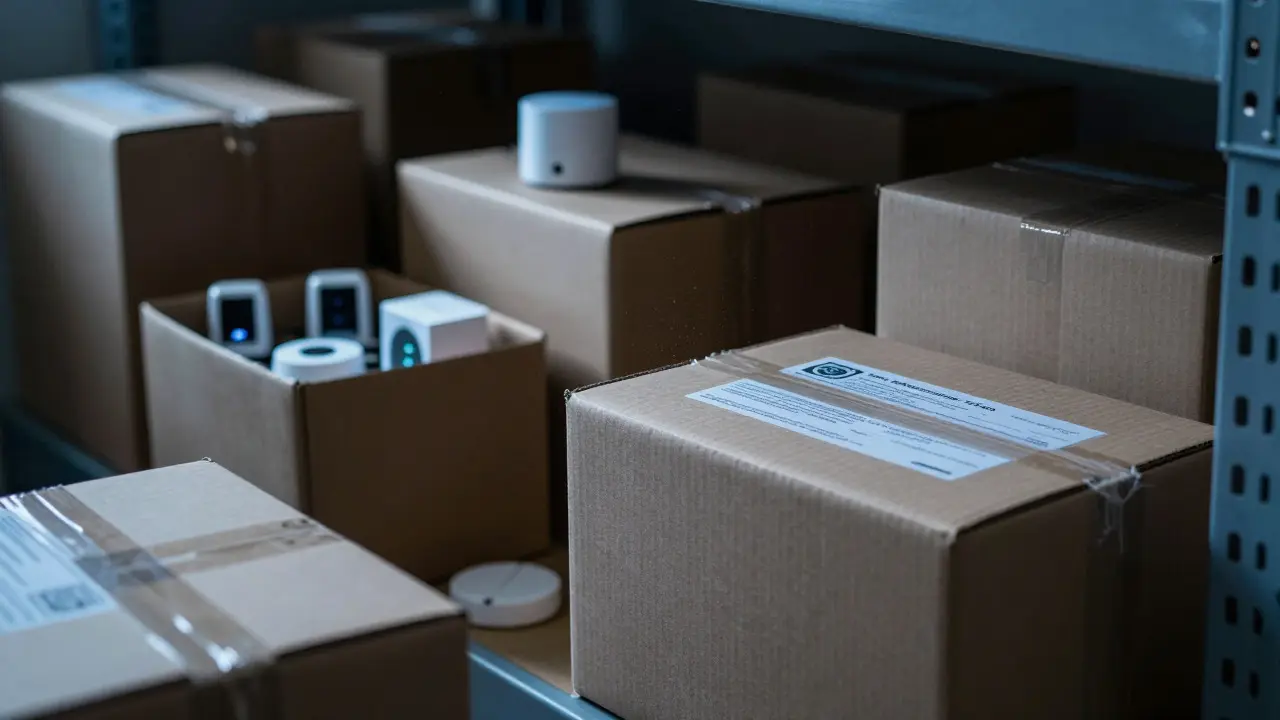
You just closed a high-ticket deal for a smart home installation. The client is happy, the check clears, and you feel like a rockstar. But three months later, a single sensor fails. Now you’re stuck holding the bag: shipping costs, labor for replacement, and the risk of a bad review that could kill your next sale. This is where cash burn sneaks up on concierge businesses. It isn’t always from big marketing bills; it’s often from the silent leak of poor Return Merchandise Authorization (RMA) and warranty handling.
In a concierge model, you promise seamless service. That means when something breaks, you handle it before the customer even notices. But if your backend processes are messy, every broken device eats into your profit margin. Let’s look at how to turn your RMA workflow from a money pit into a controlled operation that protects your bottom line.
Why RMAs Eat Your Profits Alive
RMA Process is the formal procedure for authorizing the return of defective or unwanted products to the manufacturer or distributor. For most small tech firms, this process is informal. You email a supplier, wait for a reply, ship the box, and hope for the best. This informality creates three specific financial leaks:
- Inventory Limbo: Defective units sit in your warehouse for weeks while you wait for authorization. That’s dead capital tied up in boxes instead of available cash.
- Labor Overhead: Your technicians spend time diagnosing issues that might have been simple user errors. If you don’t document the fault properly, you might pay twice-once for diagnosis, once for the actual fix.
- Shipping Costs: Without negotiated freight terms, you pay standard rates both ways. On low-margin hardware, round-trip shipping can wipe out the entire gross profit on the unit.
The real cost isn’t just the direct expense. It’s the opportunity cost. Every hour your team spends chasing an RMA number is an hour not spent selling new installations or maintaining existing clients. In a concierge business, time is your most valuable asset, and sloppy returns waste it.
Building a Tighter Warranty Loop
Warranty Management is the systematic tracking of product guarantees, claim statuses, and associated liabilities over the product lifecycle. Most manufacturers offer warranties, but they rarely manage them for you. If you’re reselling or installing third-party hardware, you need to know exactly who owns the risk at any given moment.
Here is a simple framework to tighten this loop:
- Digitize the Serial Number: When you install a device, scan the serial number into your CRM immediately. Don’t rely on paper receipts. If the serial number isn’t in your system, it doesn’t exist for warranty purposes.
- Define the Failure Window: Know the exact terms. Is it 90 days? One year? Does it cover parts only or labor too? Many concierge businesses assume full coverage, only to find out labor is excluded after month six.
- Set a Claim Deadline: Give yourself an internal deadline to file claims. If a device fails in week two, file the claim by day ten. Delays often result in "customer error" rejections by suppliers.
By treating warranties as active liabilities rather than passive promises, you reduce the surprise factor. You know what you owe, and you know when you get paid back.
| Metric | Informal Process | Structured Process |
|---|---|---|
| Average Resolution Time | 14-21 days | 3-5 days |
| Inventory Tie-Up | High (units waiting) | Low (fast turnover) |
| Claim Rejection Rate | 15-20% | <5% |
| Labor Hours Spent | 4-6 hours per case | 1-2 hours per case |
Turning Returns into Data Gold
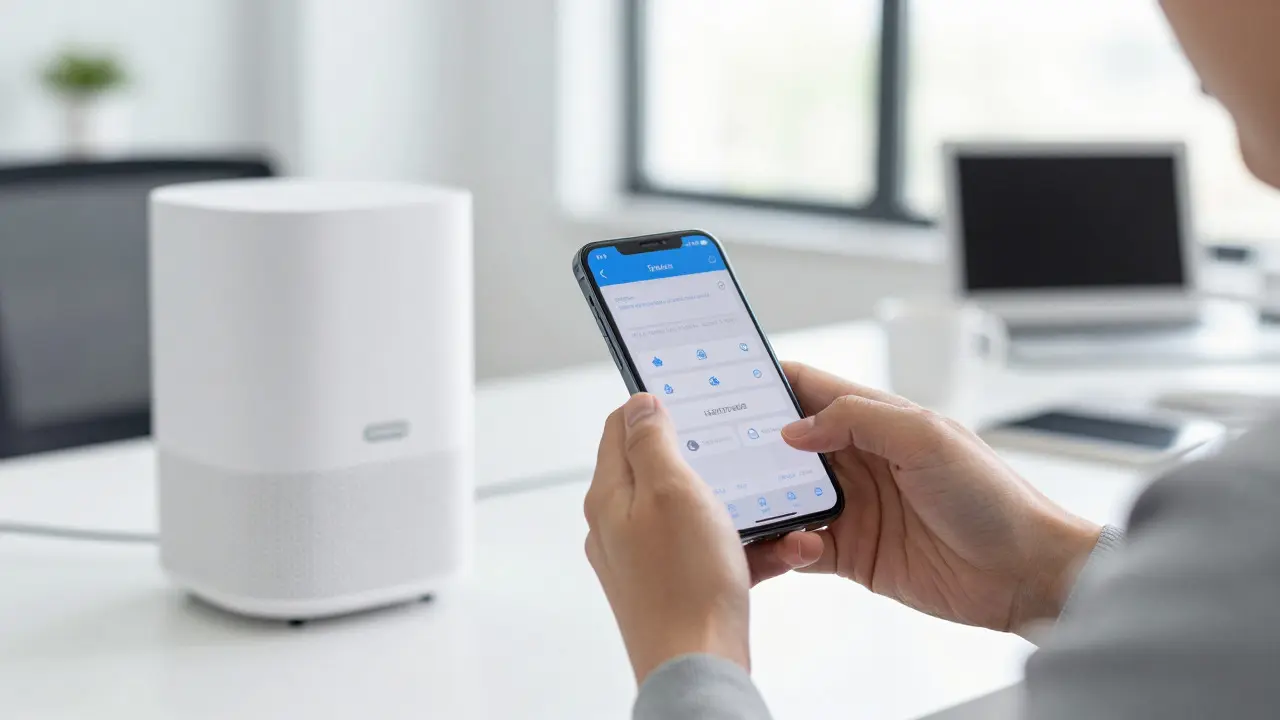
Every RMA is a data point. If you ignore it, you’re throwing away free market research. Start tracking failure modes. Which brand of camera fails most often? Which hub has connectivity issues? Which installation method leads to more returns?
Suppose you notice that Brand A’s sensors fail within 60 days 30% of the time. That’s a red flag. You can use this data to negotiate better terms with Brand A or switch to Brand B, which might cost $5 more upfront but saves you $50 in support calls and replacements. This is how you stop cash burn: by making purchasing decisions based on total cost of ownership, not just sticker price.
Also, track the "First Time Fix" rate. If your technicians keep sending devices back because they didn’t diagnose the root cause, your RMA volume will stay high. Invest in training. A technician who fixes the issue on-site saves you shipping, labor, and customer dissatisfaction. That’s pure margin protection.
Negotiating Better Terms with Suppliers
Once you have data on your return rates and failure modes, you have leverage. Walk into negotiations with suppliers armed with facts. "We have a 12% return rate on Model X, and it costs us $40 per unit in logistics. Can we agree to a prepaid return label or a local depot?"
Many suppliers are willing to adjust terms if you present a clear picture of the friction. They want to sell you more stock, not fight you on returns. Ask for:
- Prepaid return labels for authorized defects.
- Faster turnaround times (e.g., 48-hour replacement instead of 7-day repair).
- Bulk credit notes instead of individual refunds, which simplifies accounting.

The Human Side: Client Communication
Cash burn isn’t just about money; it’s about trust. In a concierge business, the client expects you to be the expert. If a device fails, they don’t want to talk to the manufacturer. They want to talk to you. So, streamline your communication.
Create a simple status page or automated email sequence. "Your return has been received," "Repair in progress," "Replacement shipped." This reduces inbound phone calls, which are expensive. Every call your front desk handles is an hour not spent on billable work. Automation here directly protects your hourly rate.
Remember, the goal isn’t to eliminate failures-hardware breaks. The goal is to ensure that when things break, the process is so smooth and efficient that the financial impact is minimal. You turn a potential crisis into a routine operational task.
Common Pitfalls to Avoid
Even with good intentions, teams make mistakes that drain cash. Watch out for these:
- Lost Packaging: Some warranties require original packaging. Keep spare boxes for popular models. It’s cheaper than fighting a rejected claim.
- Vague Descriptions: "Device doesn't work" gets rejected. "No power light, checked outlet, tried reset" gets approved. Train your team to write clear fault reports.
- Ignoring Dead Stock: If a unit is beyond economical repair, write it off. Holding onto it hoping for a fix wastes space and attention. Sell it as refurbished or scrap it.
What is the biggest hidden cost in RMA management?
The biggest hidden cost is labor overhead. Technicians and admins spend significant time documenting faults, tracking shipments, and communicating with suppliers. This time is often unbilled, meaning it comes straight out of your profit margin.
How do I decide whether to repair or replace a returned unit?
Use a cost-benefit analysis. If the repair cost (parts + labor) exceeds 40% of the unit's resale value, replace it. If it’s below that threshold, repair it. Always factor in the time it takes to repair versus the immediate satisfaction of replacing.
Should I handle warranties myself or pass them to the manufacturer?
In a concierge model, handle it yourself initially. Clients expect one point of contact. You can still file the claim with the manufacturer, but you manage the client relationship. This builds loyalty and allows you to control the narrative around service quality.
How often should I review my RMA metrics?
Review them monthly. Look at trends in failure rates by product type, average resolution time, and total cost per return. Monthly reviews allow you to catch spikes early and adjust purchasing or training strategies before they become major financial drains.
Does software updates affect warranty validity?
Sometimes. If a firmware update causes a bug that bricks a device, the manufacturer may cover it. However, if a client installs unofficial software that causes a crash, the warranty might be voided. Always document the software state before accepting a return to protect your claim.