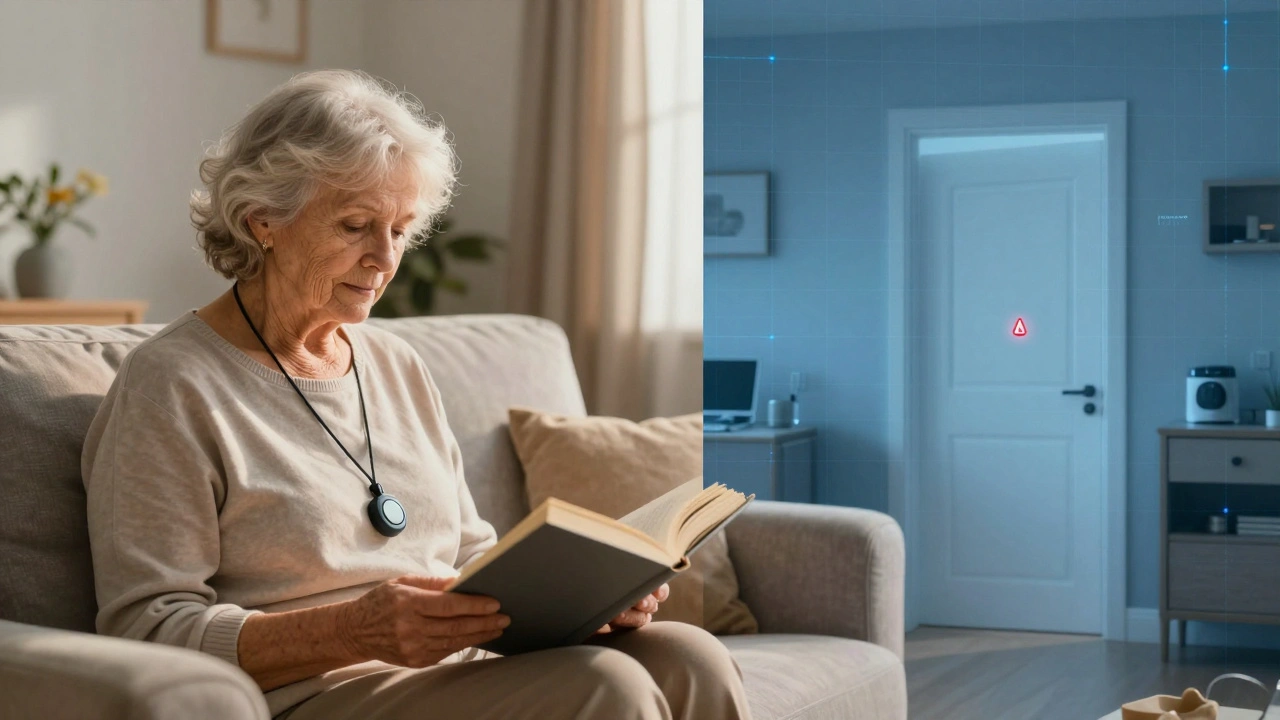
We want our parents to be safe. We want to know they took their medication, that they didn't fall in the shower, and that they ate dinner. But when we install cameras or tracking devices in their homes, are we protecting them-or invading their lives? This tension sits at the heart of modern eldercare. As monitoring technology for seniors becomes more sophisticated, the line between helpful oversight and surveillance blurs rapidly.
In 2026, the market is flooded with solutions ranging from simple wearable pendants to complex AI-driven home systems. These tools promise peace of mind for adult children and caregivers. However, they also raise serious questions about autonomy, data security, and the psychological impact of being watched. The goal isn't just to keep a senior physically safe; it is to preserve their sense of self and dignity while doing so.
The Spectrum of Monitoring Tools
To understand the privacy risks, we first need to look at what these tools actually do. Not all monitoring tech is created equal. Some devices collect minimal data, while others create a continuous digital profile of a person’s daily habits.
At the least intrusive end, you have wearable alert buttons. These are simple pendants or wristbands. They only transmit data when pressed. There is no constant recording, no location tracking unless activated, and no behavioral analysis. The privacy risk here is low because the user controls the trigger. If your parent forgets to wear it, the system doesn't work, but neither does it spy on them.
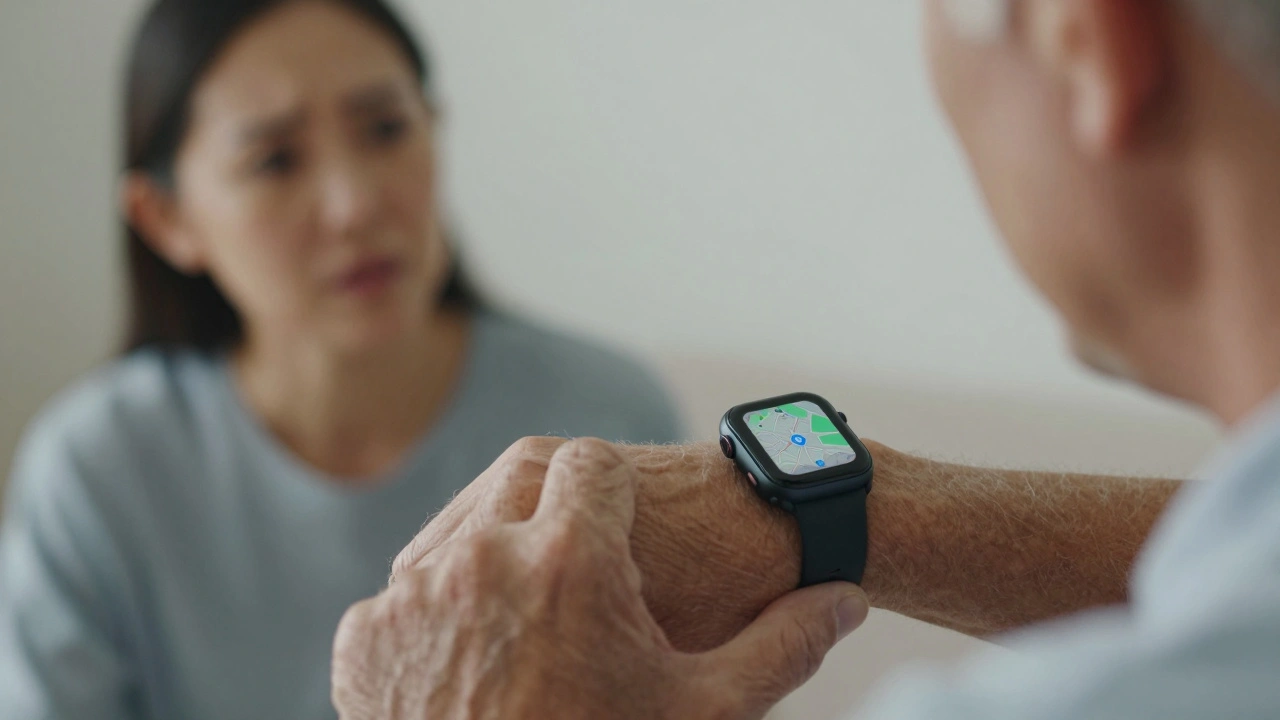
Move up the ladder, and you find GPS trackers. These are often embedded in watches or shoe inserts for seniors with dementia or wandering tendencies. They provide real-time location data. While this prevents dangerous situations, it means someone can see where the senior is at any moment. This raises immediate questions: Who has access to this map? Is the data stored securely? Can the senior turn it off?
Then there are smart home sensors. These include motion detectors, door contacts, and smart plugs. They don't record video or audio. Instead, they log patterns. Did the fridge open at 8 AM? Was the bathroom used at 3 AM? This data helps predict falls or illness by detecting changes in routine. Yet, it creates a detailed diary of private activities without the senior necessarily knowing they are being logged.
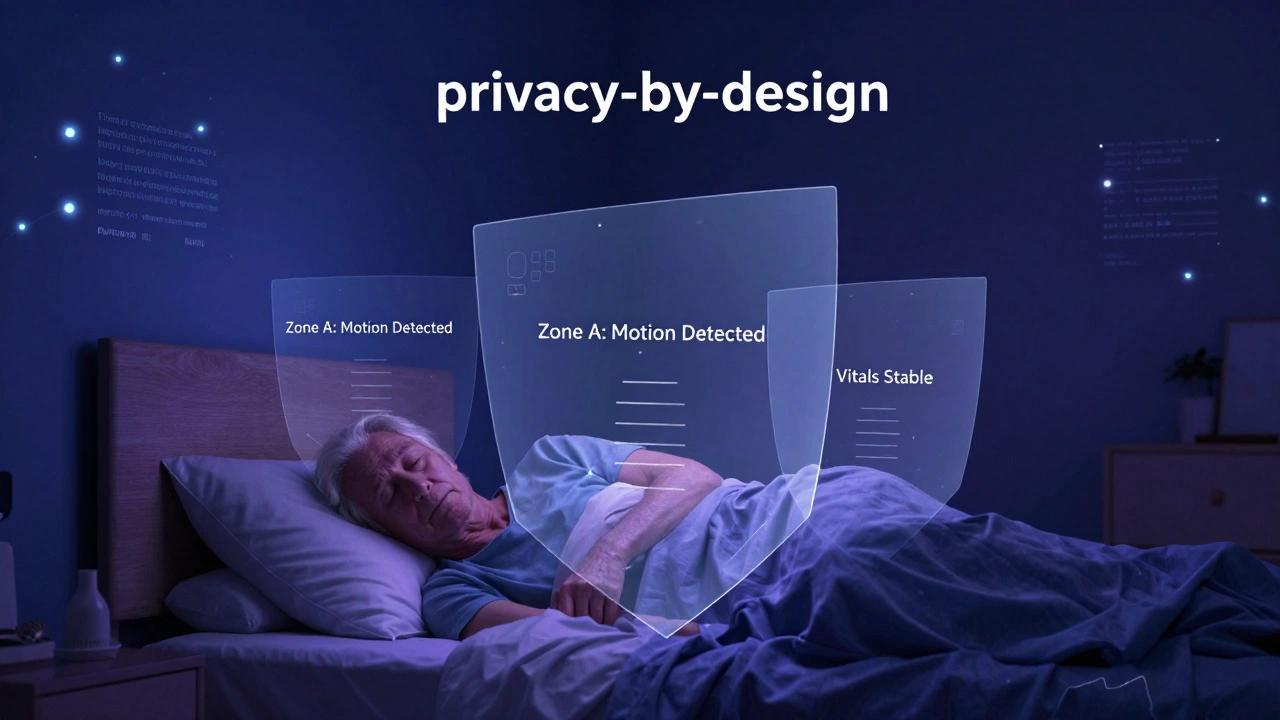
At the most invasive level sit AI-powered cameras and audio monitoring devices. Modern systems use computer vision to detect falls without storing video footage, claiming "privacy by design." However, many cheaper alternatives record everything. Audio devices can listen for keywords like "help" or "fall," but they may also capture private conversations. The convenience of automatic alerts comes at the cost of constant surveillance.
| Technology Type | Data Collected | Privacy Risk Level | User Control |
|---|---|---|---|
| Wearable Alert Buttons | Alert signal only | Low | High (user presses button) |
| GPS Trackers | Real-time location | Medium | Low (often managed by caregiver) |
| Smart Home Sensors | Motion, usage patterns | Medium-High | None (passive collection) |
| AI Cameras/Audio | Video, audio, behavior | Very High | None (continuous monitoring) |
The Consent Conundrum
The biggest ethical hurdle in senior monitoring is consent. In an ideal world, the person being monitored agrees to the setup. They understand what data is collected, who sees it, and why. But reality is rarely so clean.
Many seniors resist monitoring because they feel it signals a loss of independence. They view it as a step toward nursing homes or total dependency. Others may agree reluctantly, pressured by worried children who insist it's "for their own good." This dynamic undermines true consent. If a senior feels coerced, the relationship suffers, and trust erodes.
More concerning is the case of cognitive decline. When a senior develops early-stage dementia, can they legally and ethically consent to surveillance? Their capacity to understand long-term implications diminishes over time. Caregivers often make unilateral decisions, installing devices before the senior loses decision-making ability. While well-intentioned, this bypasses the individual's current wishes.
A practical approach is staged implementation. Start with the least intrusive option. Explain the purpose clearly: "This watch helps me know you're safe if you wander, not to track every move you make." Involve the senior in choosing the device. Let them pick the color of the pendant or decide where the sensor goes. Giving them agency reduces resistance and respects their autonomy.
Data Security and Third-Party Risks
Even if the senior consents, where does their data go? Most monitoring systems rely on cloud storage. Your parent's movement patterns, health metrics, and even voice recordings are uploaded to servers owned by tech companies. This introduces significant security vulnerabilities.
In 2025, several major healthcare IoT platforms suffered breaches, exposing sensitive patient data. For seniors, this isn't just an inconvenience; it's a safety threat. Hackers could use location data to target vulnerable individuals. Health data could be sold to insurance companies, potentially affecting premiums or coverage.
You must scrutinize the privacy policy of any monitoring service. Look for these red flags:
- Data sharing with third-party advertisers or analytics firms.
- Lack of end-to-end encryption for video or audio streams.
- Vague terms about data retention periods.
- No clear process for deleting data upon request.
Prefer devices that offer local processing. Some newer AI cameras analyze footage on the device itself, sending only alerts-not raw video-to the cloud. This minimizes exposure. Also, check if the company allows you to export and delete all historical data. You should own your family's information, not rent it from a corporation.
Psychological Impact of Constant Surveillance
Beyond legal and technical issues, consider the human cost. Being watched changes behavior. Studies in workplace psychology show that constant monitoring increases stress and decreases performance. The same applies to seniors.
A senior who knows every room is equipped with motion sensors may avoid certain areas out of fear of triggering false alarms. They might rush through tasks to appear "normal." This anxiety can worsen cognitive decline and reduce quality of life. The home should feel like a sanctuary, not a panopticon.
There is also the issue of embarrassment. Falls are humiliating. If a camera captures a fall, the footage might be reviewed by multiple caregivers, family members, or even medical professionals. While reviewing the incident helps prevent future accidents, the senior may feel exposed and shamed. Discreet monitoring that detects events without recording visual evidence preserves dignity better than overt cameras.
Practical Steps for Ethical Implementation
How do you balance safety and privacy? Here is a framework for setting up monitoring tech responsibly:
- Start with a conversation. Discuss fears and goals openly. Ask what makes the senior feel unsafe. Tailor the solution to those specific concerns rather than installing a blanket system.
- Choose the minimum viable technology. If a GPS tracker solves the wandering problem, don't add indoor cameras. Use the least invasive tool that meets the safety need.
- Define access rules. Decide who gets alerts. Should the neighbor get notified too? Limit access to essential people only. Avoid sharing data with distant relatives who won't act on it.
- Regularly review permissions. As cognitive abilities change, revisit the agreement. Does the senior still agree with the setup? Adjust accordingly.
- Secure the network. Change default passwords on all devices. Use two-factor authentication for accounts. Keep firmware updated to patch security holes.
Remember, technology is a tool, not a substitute for human connection. No amount of sensors replaces regular visits, phone calls, and genuine engagement. Monitoring should support care, not replace it.
Future Trends: Privacy-Preserving AI
The industry is moving toward better solutions. Newer technologies focus on "edge computing," where data is processed locally on the device rather than sent to the cloud. This keeps sensitive information within the home.
Another trend is anonymous analytics. Instead of identifying "John fell in the kitchen," the system reports "a fall occurred in Zone A." This protects identity while maintaining safety alerts. Companies are also adopting stricter compliance standards, aligning with global regulations like GDPR and emerging US state laws on biometric data.
As these tools evolve, the expectation will shift. Privacy-by-design will become standard, not optional. Until then, caregivers must remain vigilant advocates for their loved ones' rights.
Is it illegal to monitor my elderly parent without their knowledge?
In many jurisdictions, secretly recording audio or video in a private residence violates wiretapping and eavesdropping laws, even if you own the home. Laws vary by state and country. Generally, covert surveillance is risky and unethical. Always consult local regulations and prioritize transparency with your parent whenever possible.
What is the least invasive monitoring option for seniors?
Wearable alert buttons are the least invasive. They require active user input to send data and do not track location or record behavior passively. Smart home sensors that only detect motion without video or audio are the next least intrusive option.
Who owns the data collected by senior monitoring devices?
Typically, the user or account holder owns the data, but the service provider retains rights to store and process it according to their privacy policy. Read the terms of service carefully. Reputable companies allow you to download and delete your data at any time.
Can monitoring technology help detect early signs of dementia?
Yes, passive sensors can detect subtle changes in sleep patterns, eating habits, and mobility that may indicate cognitive decline. However, these tools are screening aids, not diagnostic instruments. Any concerning trends should be discussed with a healthcare professional.
How do I secure my senior's monitoring devices from hackers?
Change default passwords immediately. Enable two-factor authentication on all associated apps. Keep device firmware updated. Use a separate Wi-Fi network for IoT devices if possible. Choose brands with strong security reputations and regular vulnerability patches.