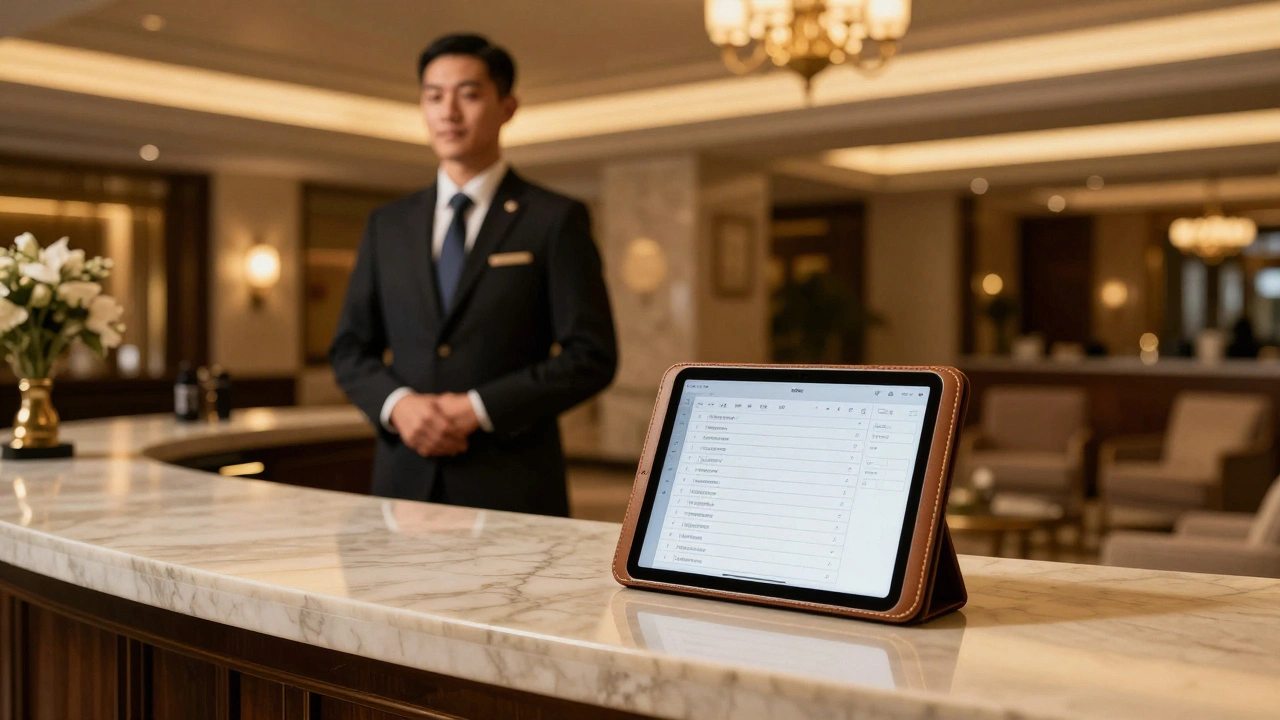
Running a concierge business without a playbook is like trying to navigate a new city without a map-you might eventually get where you're going, but you'll waste a lot of time and probably frustrate your passengers along the way. In the high-stakes world of luxury service, the difference between a "good" experience and a "legendary" one usually comes down to the things the client never sees: the checklists, the trigger words, and the exact sequence of events that happen behind the scenes.
Key Takeaways for Service Excellence
- Playbooks turn individual talent into a scalable business system.
- SOPs shouldn't be rigid scripts but flexible frameworks for problem-solving.
- Consistency is the only way to build trust with high-net-worth clients.
- Regular updates to your documentation prevent "process rot."
What Exactly Is an Operational Playbook?
Most people confuse a manual with a playbook. A manual tells you what a tool is; a playbook tells you how to win the game. For a concierge, Operational Playbooks is a living collection of Standard Operating Procedures (SOPs) that outline the exact steps required to execute a service flawlessly. It's the secret sauce that ensures a client gets the same five-star treatment whether they are dealing with your lead manager or a new hire on their first day.
Think of it as a recipe book. If you're making a signature cocktail for a guest, you don't want the bartender "winging it" with the proportions. You want the exact measurements and the specific glass every single time. When you apply this logic to operational playbooks, you're removing the guesswork from your service delivery, which reduces stress for your team and eliminates errors that could cost you a client.
Mapping the Client Journey: Where SOPs Fit In
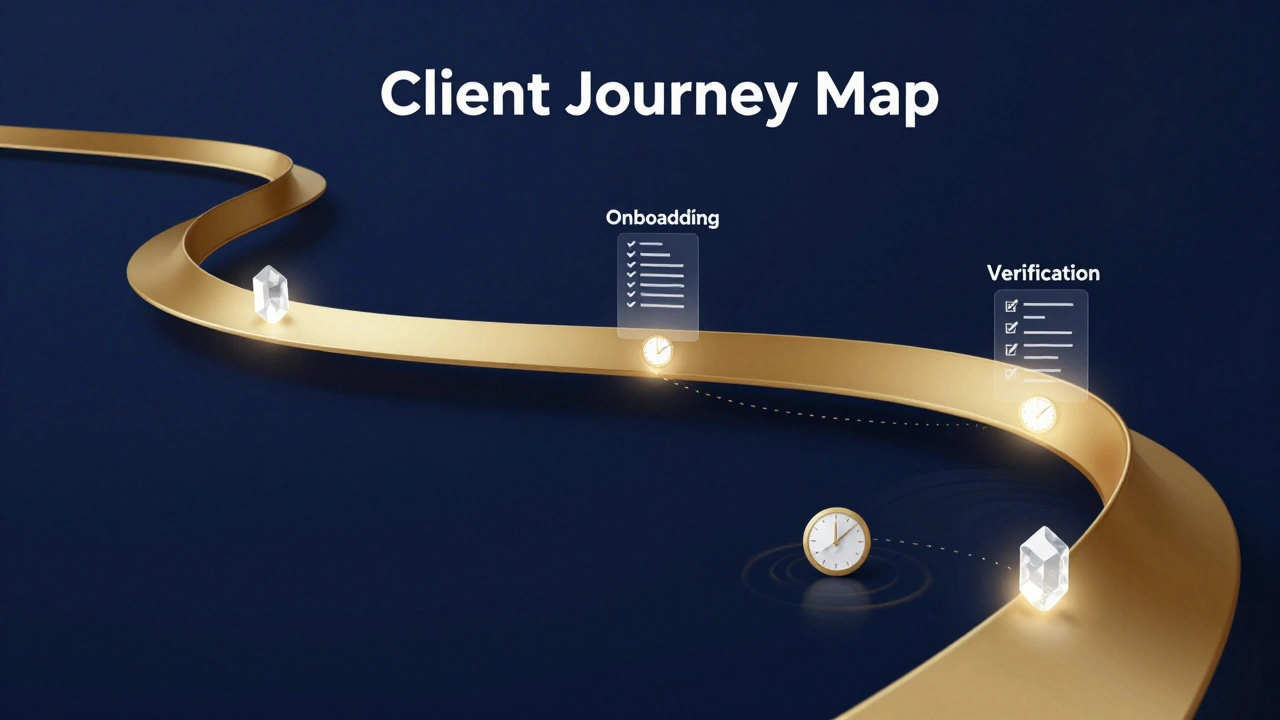
You can't write a playbook until you know where the friction points are. Start by mapping the entire client journey, from the moment they inquire about your services to the moment they leave a five-star review. Every touchpoint is an opportunity for an SOP.
For instance, the onboarding process is a critical entity in your operations. If a client signs up and then waits three days for a welcome call, the luxury experience is already dead. An SOP for "New Client Onboarding" would include specific timestamps: an immediate automated confirmation, a personal outreach within 4 hours, and a detailed preference intake form sent within 24 hours. By quantifying these expectations, you move from "do it quickly" to "do it within 4 hours," which is a measurable standard.
Building Your Core Service SOPs
Not all procedures are created equal. You need to distinguish between "high-frequency/low-risk" tasks and "low-frequency/high-risk" tasks. High-frequency tasks, like managing a daily calendar, need a streamlined checklist. High-risk tasks, like handling a luxury vehicle transport or a private jet charter, need a comprehensive, multi-step validation process.
Let's look at the Standard Operating Procedure (or SOP), which is a set of step-by-step instructions compiled to help workers carry out complex routine operations. A great SOP for a concierge service should follow a simple format: Trigger $\rightarrow$ Action $\rightarrow$ Verification. For example, the trigger is "Client requests a dinner reservation," the action is "Check preference profile, call the restaurant, confirm the table," and the verification is "Send a calendar invite to the client with the reservation details."
| Task Type | Example Entity | Documentation Level | Review Cycle |
|---|---|---|---|
| High Frequency / Low Risk | Email Responses | Simple Checklist | Quarterly |
| High Frequency / High Risk | Vendor Payments | Detailed Step-by-Step | Monthly |
| Low Frequency / High Risk | Event Planning | Comprehensive Playbook | Per Project |
| Low Frequency / Low Risk | Annual Reports | Brief Outline | Annually |
Handling the "Unthinkable": The Crisis Playbook
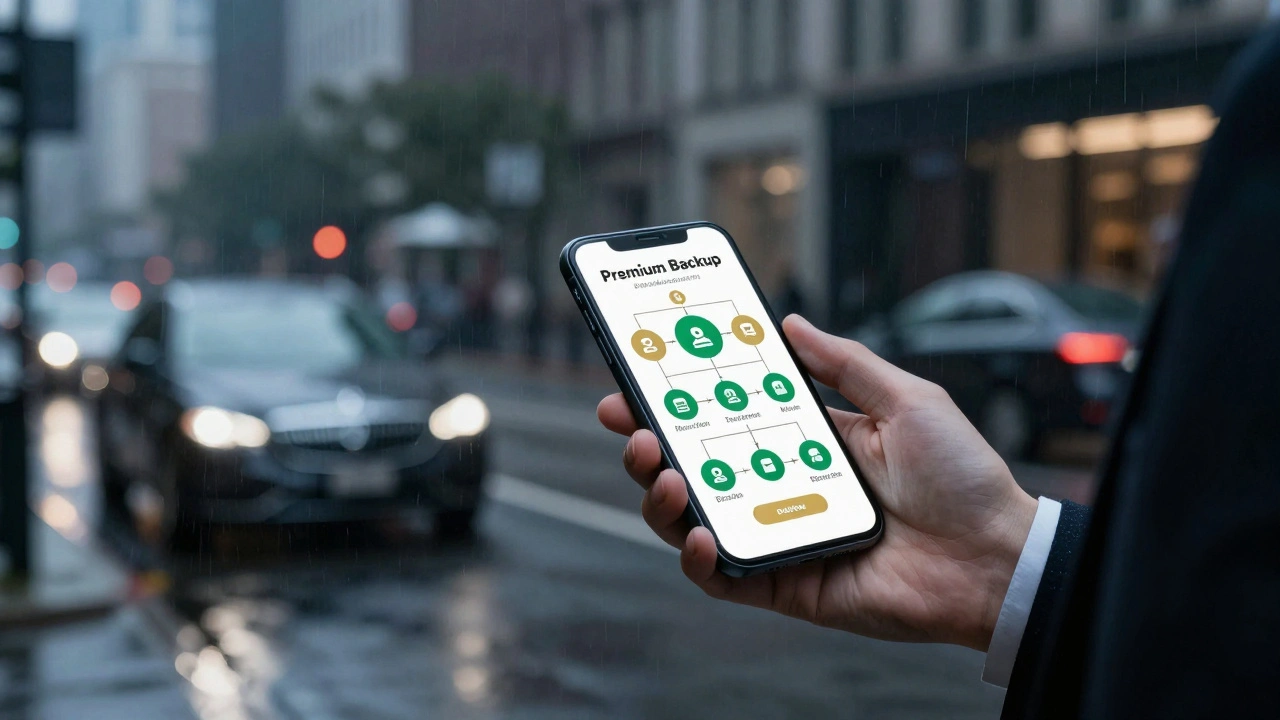
The true test of a concierge is not how they handle a sunny day, but how they handle a storm. This is where your Crisis Management protocols come into play. You need a specific section of your playbook dedicated to "What if?" scenarios. What if the private driver doesn't show up? What if the hotel loses the VIP suite reservation?
Instead of letting your staff panic, give them a decision tree. A decision tree is a visual representation of a sequence of choices. For example: "If driver is 10 minutes late $\rightarrow$ Call driver. If driver doesn't answer $\rightarrow$ Call backup agency. If backup agency is unavailable $\rightarrow$ Book premium Uber Black and notify client with a complimentary champagne credit." This empowers your staff to solve problems instantly without needing to ask you for permission every time a mistake happens.
Implementing and Scaling Your Playbooks
A playbook that sits in a PDF folder and is never opened is useless. To make this work, you need to integrate your SOPs into your Customer Relationship Management (or CRM) system. A CRM is a technology for managing all your company's relationships and interactions with customers. When a staff member opens a client's profile, the relevant SOP should be linked directly to the task. If they are handling a "Airport Pickup," the checklist should be right there in the CRM ticket.
Avoid the trap of over-documenting. If you write a 50-page manual for a simple task, your team will stop reading it. Use bullet points, screenshots, and short videos. A 30-second Loom video showing exactly how to input a reservation into your system is worth more than ten pages of text. Keep it lean, keep it visual, and keep it accessible.
Preventing Process Rot
The biggest danger to an operational playbook is "process rot." This happens when the world changes but your documents don't. Maybe a vendor you've used for years has gone out of business, or a new regulation on short-term rentals in your city has changed how you book villas. If your SOP says to call a number that no longer works, your team loses faith in the playbook.
Set up a "Feedback Loop." Every time a staff member finds a way to do a task more efficiently, they should be encouraged to suggest an update to the SOP. Reward the people who help improve the system. This turns your staff from mere executors into architects of the business, which increases their buy-in and professional growth.
Do SOPs make the service feel robotic?
Actually, the opposite is true. When the logistics are handled by an SOP, your staff doesn't have to stress about the "how." This frees up their mental energy to focus on the "who"-the client. By automating the routine, they can be more present, more empathetic, and more genuinely hospitable.
How often should I update my operational playbooks?
High-traffic SOPs should be reviewed monthly, while general guidelines can be audited quarterly. However, the best approach is a real-time update system where team members flag outdated information the moment they encounter it.
What is the best software for hosting playbooks?
Depending on your size, a simple shared Notion workspace or a dedicated knowledge base like Guru or Confluence works best. The key is that it must be searchable and accessible on mobile devices for staff who are on the move.
How do I get my team to actually use the SOPs?
Make it part of the accountability structure. During performance reviews, don't just ask if the job got done; ask if it was done according to the SOP. If a mistake happens, check the playbook first-if the SOP was wrong, fix the document. If the staff ignored the SOP, fix the training.
Can I use playbooks for a very small team of two?
Yes. In fact, it's even more important for small teams because you don't have the luxury of redundant labor. If one person gets sick or takes a vacation, the other person needs to be able to step in and execute their tasks perfectly without a thousand questions.
Next Steps for Your Business
If you're feeling overwhelmed, don't try to document everything at once. Pick the three most common complaints you've had from clients over the last six months. Those are your "leaking buckets." Create an SOP for those three areas first, implement them for 30 days, and measure if the errors decrease. Once you see the results, the momentum will make it easy to tackle the rest of your operations.