The Case for Smart Wall Panels
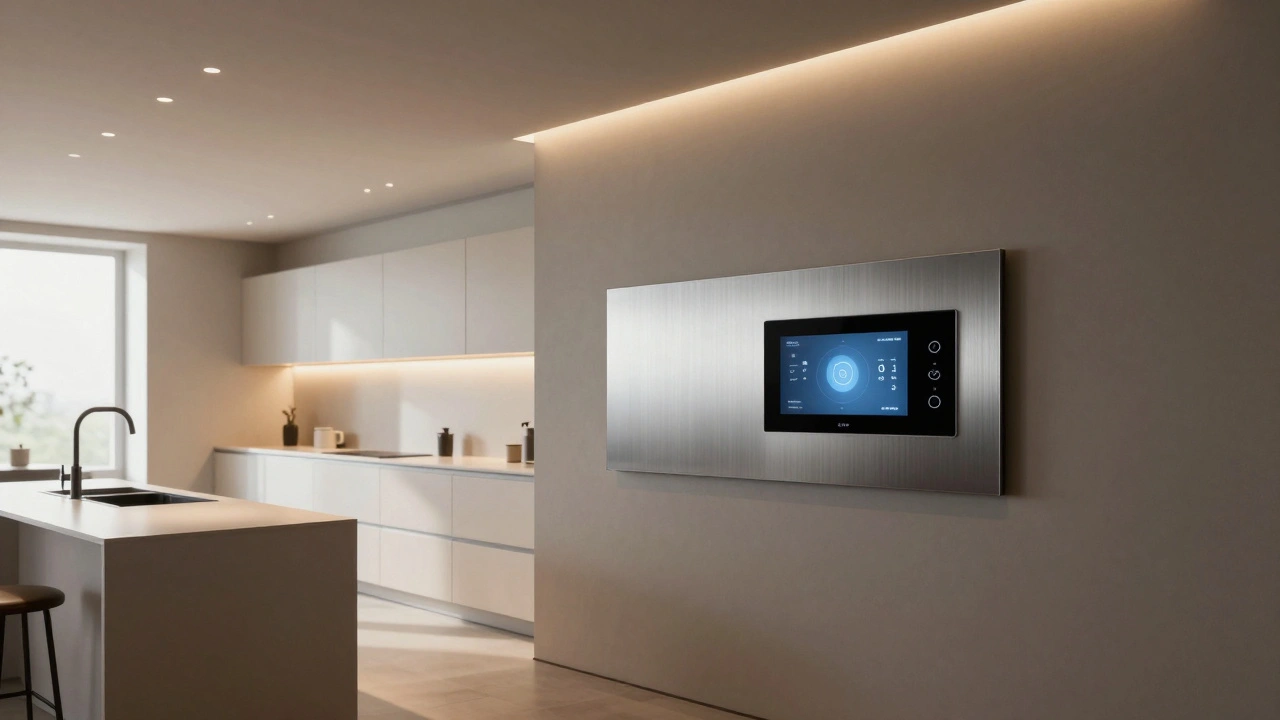
For most of us, the instinct to reach for a wall switch is hardwired. You don't want to explain to a guest how to use a voice command just to find the bathroom at 2 AM. This is where Smart Wall Panels come in. Unlike traditional switches, these are centralized hubs mounted to your wall that can control multiple rooms or specific groups of lights. Modern panels, like those from Lutron or Control4, aren't just buttons. They often feature touchscreens or tactile dials that allow for precise dimming. One major advantage here is reliability. Because they are often hardwired into the home's electrical system, you don't have to worry about a battery dying right when you need the lights. Think about a kitchen scenario. You might have one panel that handles the pendant lights over the island, the under-cabinet strips, and the main ceiling recessed lighting. Instead of three different switches, one sleek panel manages the entire space. You can program a "Cooking" scene that brings everything to 100% brightness and a "Dinner" scene that drops the pendants to 30% and kills the overheads.Wireless Remotes: Flexibility Without the Wiring
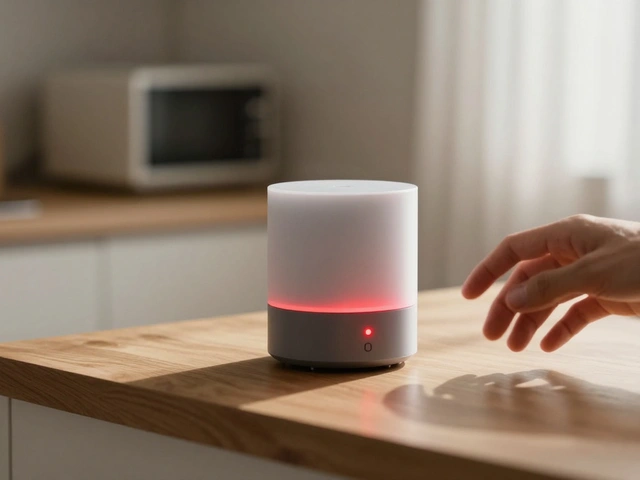
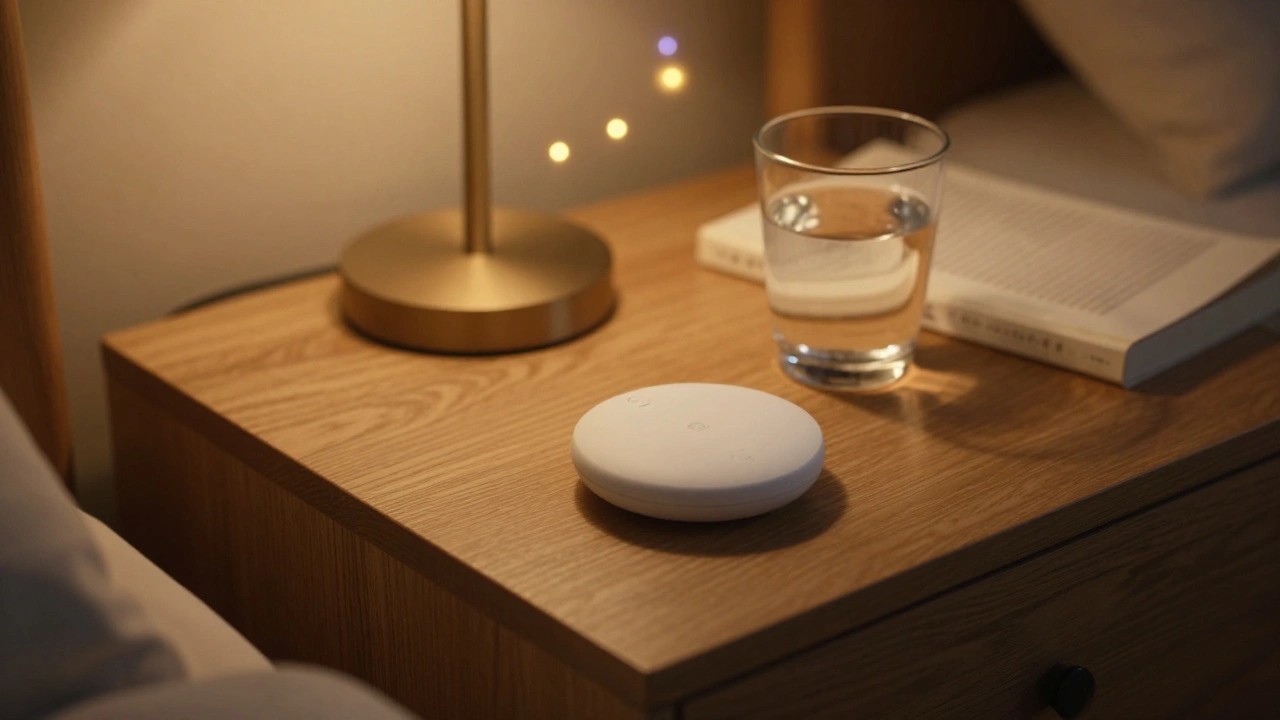
Not every light needs a switch exactly where the electrical box is. Sometimes you want a light switch on your bedside table, or perhaps you want to control the patio lights from your outdoor sofa. This is the primary job of Wireless Lighting Remotes. These devices use protocols like Zigbee or Z-Wave to communicate with a central hub or the bulbs themselves. Because they don't require a neutral wire or a junction box, you can literally stick them anywhere using adhesive tape. Consider the "Bedtime Loop." You can place a small wireless remote on your nightstand. With one press, you trigger a scene that shuts off the living room lights, locks the front door, and dims your bedroom lamps to a warm amber glow. You've essentially created a custom control center without tearing open your drywall. The trade-off, of course, is battery life. Depending on the model, you'll be swapping out a CR2032 coin cell every year or two.| Feature | Smart Wall Panels | Wireless Remotes |
|---|---|---|
| Installation | Requires electrical wiring | Peel-and-stick / Battery powered |
| Reliability | High (Hardwired) | Medium (Battery dependent) |
| Placement | Fixed at electrical box | Anywhere in signal range |
| Control Scope | Usually room-specific | Can be global or specific |
| Aesthetics | Integrated, permanent | Small, portable, varied |
Understanding the Communication Protocols
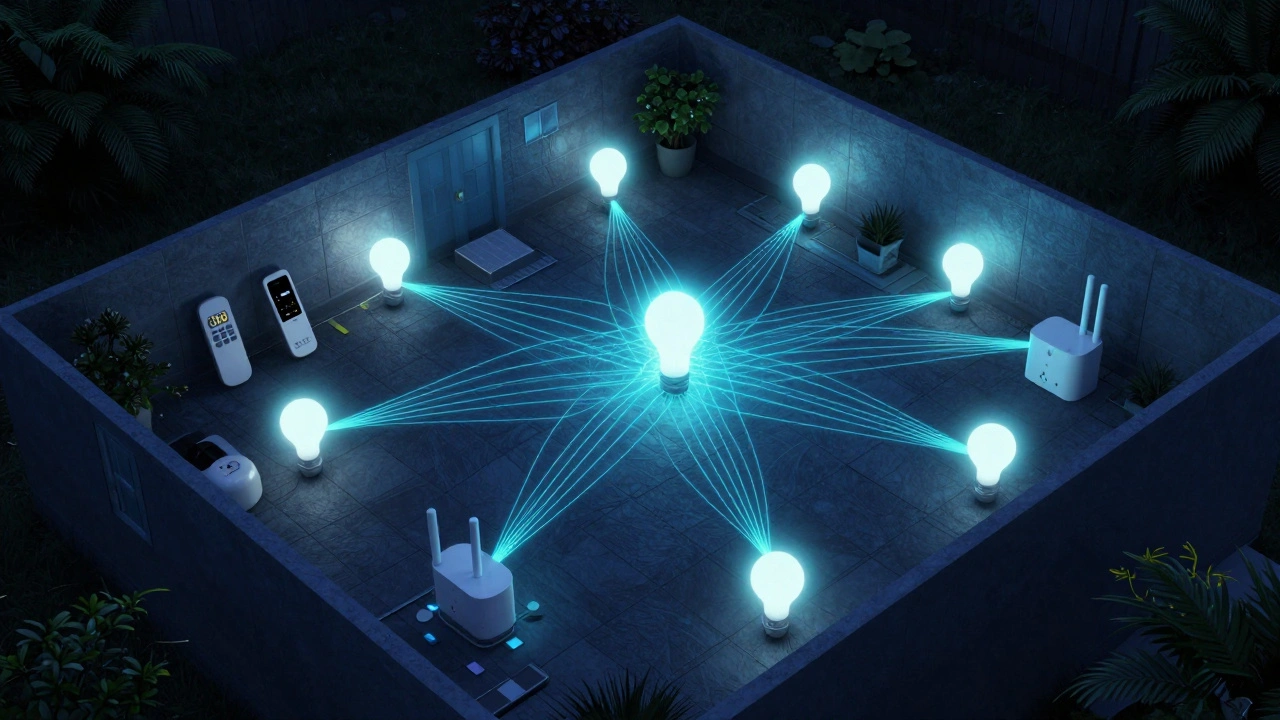
To make these physical controls work, they need a language to speak. If you buy a remote that uses Wi-Fi, you might notice a slight lag-a split second where you press the button and nothing happens. This is because the signal has to travel to your router and then back to the bulb. For a snappier experience, look for Thread or Matter compatible devices. These are the newer standards designed to make different brands play nice together. Matter, backed by giants like Apple and Google, aims to eliminate the "ecosystem lock-in" where you can only use one brand of remote with one brand of bulb. If you're building a large-scale system, Zigbee is often the gold standard because it creates a mesh network. Every powered device (like a smart bulb) acts as a repeater, extending the range of your wireless remotes. This means a remote in your backyard can still trigger a light in the hallway because the signal "hops" through the devices in between.Designing Your Lighting Scenes
Having a button is great, but what that button *does* is where the value lies. Instead of thinking in terms of "On" and "Off," think in terms of "Activities."- Focus Mode: Cool white light at 80% brightness to keep you alert while working.
- Evening Wind-down: Warm, dim tones that mimic a sunset to help your body produce melatonin.
- Panic/Security: A single button on a wall panel by the front door that turns on every single light in the house if you hear a noise at night.
- Guest Mode: A setting that keeps the lights at a welcoming level without the risk of guests accidentally triggering your complex automation rules.
Common Pitfalls to Avoid
One of the biggest mistakes people make is installing smart bulbs but keeping their old "dumb" wall switches. When someone flips that manual switch off, the power to the bulb is cut. Your expensive smart bulb is now offline, and your wireless remote becomes a useless piece of plastic. To fix this, you have two options. First, you can install Smart Switches that maintain power to the bulb while sending a digital "off" command. Second, you can use a "smart switch cover"-a wireless remote that physically fits over your existing toggle switch, blocking the manual lever while providing smart buttons on top. Another trap is ignoring signal interference. If you place a metal wall panel over a wireless remote's receiver, or put your hub inside a thick wooden cabinet, you'll experience intermittent drops. Always test your remote's range in the exact spot you plan to stick it before you commit to the adhesive.Do I need a hub for wireless remotes to work?
It depends on the protocol. Wi-Fi remotes connect directly to your router, while Zigbee and Z-Wave remotes require a hub to translate the signal. Matter-over-Thread devices require a "Thread Border Router," which is often built into smart speakers or home hubs.
Can I use a wireless remote to control non-smart bulbs?
Not directly. You would need a smart plug or a smart switch installed in the wall that the "dumb" bulb is plugged into. The remote tells the plug to cut the power, which then turns off the light.
Which is better for accessibility: panels or remotes?
Wireless remotes are generally better for accessibility because they can be placed exactly where a person can reach them (e.g., on a wheelchair tray or bedside table) without needing expensive electrical renovations.
How do I stop my smart lights from resetting after a power outage?
Look for bulbs or switches with a "Power-On Behavior" setting in their app. You can set them to "Remember Last State" or stay "Off" so that your house doesn't light up like a Christmas tree at 3 AM after a brief power flicker.
Will smart wall panels lower my home's value?
On the contrary, well-integrated home automation is increasingly seen as a luxury feature. As long as the system is intuitive and documented for the next owner, it typically increases the appeal of a modern home.