You know that feeling when you’re trying to relax on your couch, but the streetlights are glaring through your windows? Or maybe you’ve just walked out of the shower, wrapped in a towel, only to realize your neighbors have a perfect view into your living room. It’s annoying, right? We often think of privacy as something we manage manually-pulling a cord, adjusting a slat, or rushing to close curtains. But what if your windows could handle that for you? Smart blinds are more than just a luxury gadget; they are a critical layer of modern home automation designed to balance security, energy efficiency, and personal comfort without you lifting a finger.
This isn’t about showing off tech at dinner parties. It’s about reclaiming control over your space. In Portland, where the weather shifts from gray drizzle to blinding sun in an afternoon, manual adjustments become a chore. Privacy automation solves this by letting your home react to time, light, and even your presence. Let’s break down how this works, why it matters, and how you can set it up so your house actually feels like yours.
Why Manual Blinds Fail Us
Think about your current setup. Most traditional blinds rely on friction and gravity. Over time, cords tangle, slats warp, and mechanisms stick. You might find yourself fighting with a stuck blind while holding a cup of coffee, or worse, leaving them open because you’re too busy to adjust them. This manual friction creates gaps in your routine. Did you forget to close the bedroom blinds before bed? Now you have early morning sunlight waking you up, disrupting your sleep cycle. Did you leave the living room wide open while on vacation? That’s an invitation for curious eyes or potential intruders.
Motorized shades eliminate this human error. They don’t get tired, they don’t forget, and they don’t complain about the effort required to raise a heavy wooden shade. By automating the process, you remove the decision fatigue associated with managing window coverings. You set the rules once, and the system executes them perfectly every single day. This consistency is key to both comfort and security. When your blinds move predictably, it mimics occupancy, which is a subtle but powerful deterrent against burglary.
The Security Angle: More Than Just Curtains
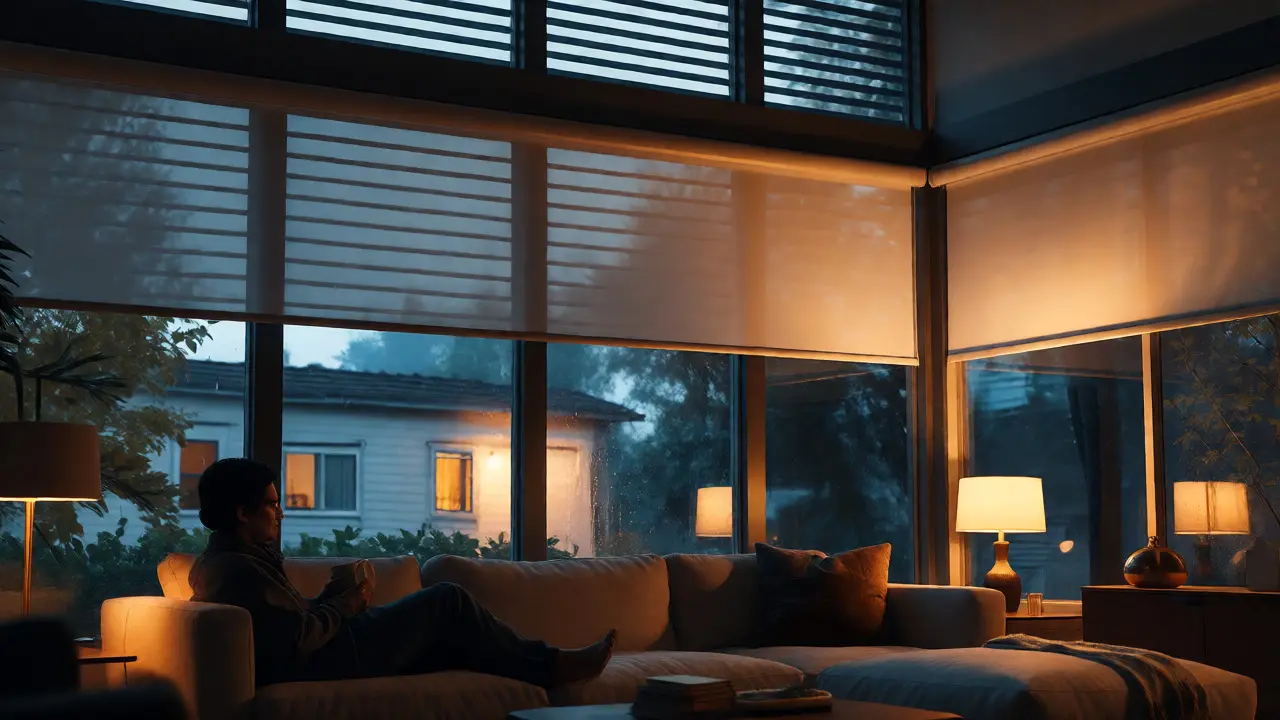
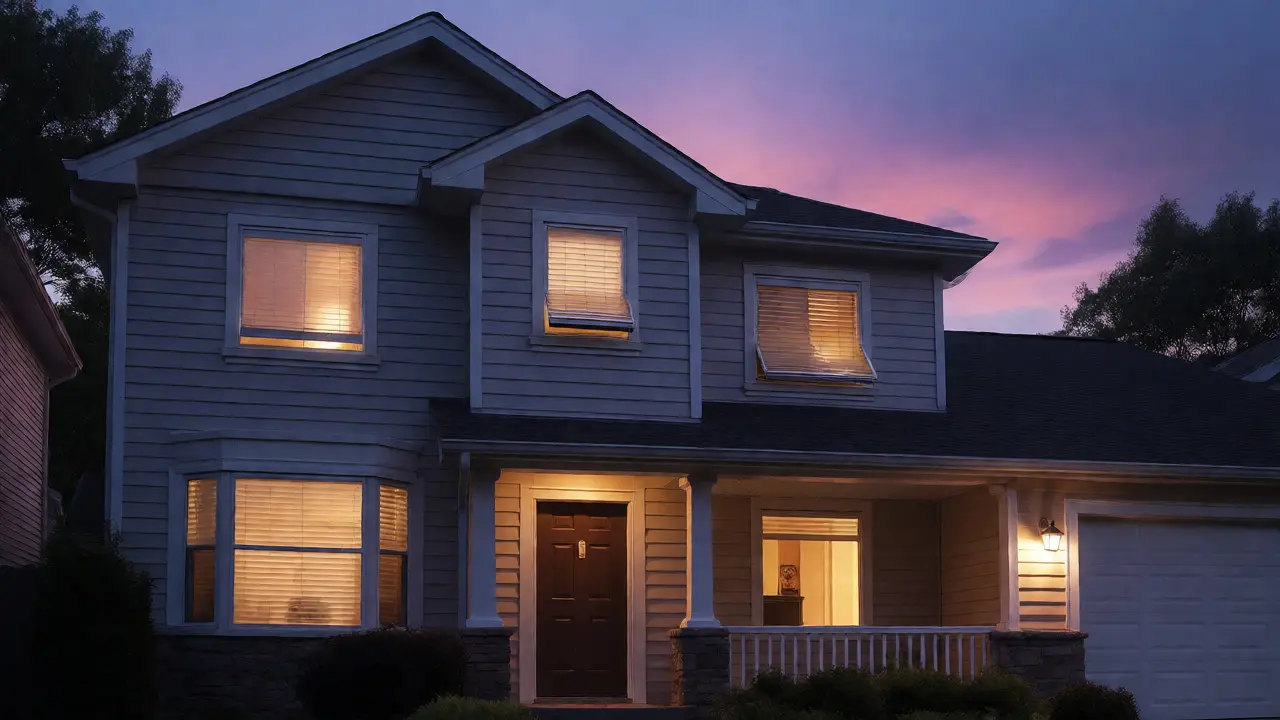
We often talk about home security in terms of cameras and alarms. But privacy is the first line of defense. If someone can see inside your home, they know your habits, your valuables, and whether you’re present. Automated blinds act as a visual barrier that adapts to your schedule. For instance, you can program your living room blinds to close at sunset. This prevents passersby from seeing your TV glow or your family moving around after dark, activities that signal activity to anyone watching.
Consider the "vacation mode" feature common in many smart home ecosystems. Instead of leaving blinds closed for two weeks-which screams "no one is home"-your system randomly opens and closes them at different times. To an observer outside, it looks like someone is still living there. This randomness breaks the pattern that burglars look for. According to data from the FBI’s Uniform Crime Reporting Program, homes with visible signs of occupancy are significantly less likely to be targeted. Automating your blinds provides those signs effortlessly.
Furthermore, integration with security systems adds another layer. Imagine your motion sensor triggers an alert at night. Your smart lighting turns on, and simultaneously, your bedroom blinds snap shut. This sudden change in visibility can startle an intruder who was expecting a clear line of sight. It’s a passive security measure that works alongside your active ones.
Comfort and Circadian Rhythms
Privacy isn’t just about hiding from others; it’s about controlling your environment for better health. Our bodies respond to light. Exposure to blue light in the evening suppresses melatonin, making it harder to fall asleep. Conversely, natural light in the morning helps reset our internal clocks. Manual blinds rarely align with these biological needs unless you’re disciplined enough to adjust them daily.
Automation allows for precise scheduling based on sunrise and sunset times, which shift throughout the year. In September, the days are getting shorter in the Northern Hemisphere. Your automated system knows this. It can gradually lower the blinds in the late afternoon to reduce glare during work hours, then fully close them at dusk to create a cozy, private atmosphere for relaxation. This alignment with your circadian rhythm improves sleep quality and daytime alertness. You’re not just blocking views; you’re curating light for well-being.
Temperature regulation plays a role here, too. In summer, closing blinds during peak heat hours reduces solar gain, lowering air conditioning costs. In winter, opening them during sunny afternoons captures free heat. While this is an energy-saving benefit, it directly impacts comfort. A room that stays cool without blasting the AC is a comfortable room. And since the blinds are automated, you capture these benefits without having to remember to check the weather forecast.
Choosing the Right Technology
Not all smart blinds are created equal. The market is flooded with options, ranging from retrofit kits that attach to existing cords to fully integrated motorized roller shades. Choosing the right one depends on your budget, technical skill, and aesthetic preferences. Here is a breakdown of the main types:
| Type | Best For | Pros | Cons |
|---|---|---|---|
| Retrofit Motors (e.g., SwitchBot) | Renters or existing blinds | No installation tools needed; affordable; portable | Bulkier appearance; battery life varies; may slip on smooth cords |
| Hardwired Motorized Shades | New builds or major renovations | Clean look; reliable power source; quiet operation | Expensive; requires electrical work; permanent installation |
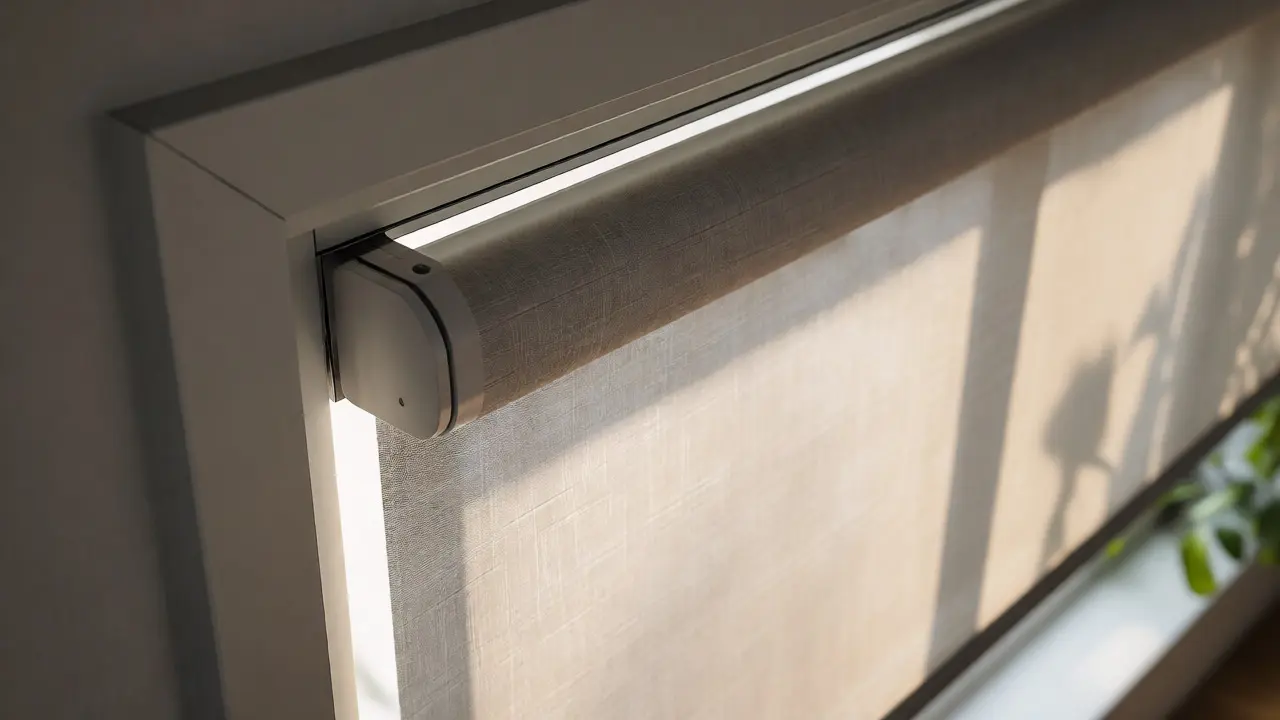
| Battery-Powered Roller Shades | Most homeowners | Easy install; sleek design; long battery life (6-12 months) | Need to charge/recharge periodically; slightly heavier headrail |
If you live in an older home with unique window shapes, custom-sized motorized shades are often worth the investment. However, if you’re renting, a retrofit solution like the SwitchBot Curtain or similar clip-on motors lets you keep your deposit intact while still enjoying automation. Just ensure the compatibility with your specific blind mechanism-bead chains work differently than pull cords.
Integration and Control Methods
The real magic happens when your blinds talk to the rest of your smart home. Standalone apps are fine, but ecosystem integration is superior. Whether you use Apple HomeKit, Google Home, Amazon Alexa, or Matter-compatible devices, the goal is seamless interaction. Voice control is convenient-"Hey Siri, close the bedroom blinds" is faster than walking across the room-but scenes are where the true value lies.
A "Goodnight" scene can turn off lights, lock doors, adjust the thermostat, and close all blinds in one command. A "Movie Night" scene might dim the lights and partially close living room blinds to reduce screen glare while maintaining some ambient light. These multi-device actions save mental energy. You stop thinking about individual devices and start interacting with moods and functions.
Matter, the new universal standard for smart home devices, is also changing the landscape. As of 2026, more manufacturers are releasing Matter-over-Thread compatible blinds. This means better interoperability. You won’t be locked into one brand’s app forever. If you switch from Apple to Android next year, your blinds will still work seamlessly. This future-proofing is crucial for long-term investments in home automation.
Pitfalls to Avoid
While automation sounds perfect, there are common mistakes people make. First, underestimating Wi-Fi coverage. Blinds are often installed in rooms far from the router. If the signal is weak, commands lag or fail. Use a mesh network or extenders to ensure strong connectivity in every room. Second, ignoring manual overrides. Power outages happen. Ensure your chosen system has a manual release or backup battery option so you aren’t trapped in a dark room.
Another pitfall is over-complicating schedules. Don’t try to automate every minute of the day. Start simple: close at sunset, open at sunrise. Once that feels natural, add complexity like weekend delays or vacation modes. Simplicity ensures reliability. If you set up ten different conditions, you’ll eventually disable the automation because it’s too confusing to troubleshoot.
Final Thoughts on Implementation
Privacy automation transforms your windows from static barriers into dynamic tools for living. It enhances security by simulating occupancy, boosts comfort by managing light and temperature, and saves time by removing daily chores. In a city like Portland, where indoor-outdoor boundaries blur and daylight is precious, this technology offers tangible benefits.
Start small. Pick one room-maybe the bedroom or the living room-and test the waters. Choose a system that fits your current infrastructure. Whether you go hardwired or battery-powered, the shift from manual to automatic changes how you interact with your space. You stop reacting to your environment and start designing it. Give it a try. Your future self, sleeping peacefully without streetlight glare, will thank you.
Do smart blinds require professional installation?
It depends on the type. Retrofit motors usually require no professional help and can be installed in minutes. Hardwired motorized shades typically need an electrician or handyman to run power wires to the window frame. Battery-powered models are DIY-friendly but require careful measuring to fit the window recess correctly.
How long do batteries last in smart blinds?
Most modern battery-powered smart blinds use rechargeable lithium-ion batteries that last between 6 to 12 months on a single charge, depending on usage frequency. Some high-end models offer solar charging strips, which can extend this duration indefinitely if placed in direct sunlight.
Can I control smart blinds without Wi-Fi?
Yes, many smart blinds use Bluetooth or Zigbee protocols locally. This means you can control them via a remote or local hub even if your internet goes down. However, features like geofencing or voice assistant integration usually require an active internet connection.
Are smart blinds noisy?
Modern motors are designed to be whisper-quiet, often operating below 40 decibels, which is quieter than a library. You might hear a faint hum during movement, but it’s rarely disruptive. Cheaper or older models may produce more mechanical noise, so checking reviews for noise levels is wise.
What happens if the power goes out?
Battery-powered blinds continue to function normally. Hardwired blinds will stop moving until power is restored, but most include a manual override feature allowing you to lift or lower them by hand. Always verify the manual override mechanism before purchasing hardwired units.