
Most technology concierge owners think they have a marketing problem. They don't. They have a channel mismatch. You're likely spending hours on cold email or generic LinkedIn posts, hoping that someone in charge of IT will notice your value proposition. But high-value clients-mid-sized firms and enterprise teams-don't buy "tech help." They buy risk reduction and time back.
To generate leads that actually convert, you need to stop selling features and start targeting specific pain points through the right channels. This guide breaks down the four most effective channels for technology concierge businesses in 2026, along with the specific tactics that turn passive interest into signed contracts.
Understanding the Buyer Persona: Who Actually Hires a Tech Concierge?
Before you pick a channel, you need to know who is clicking the button. The primary buyer for a technology concierge service is rarely the CTO or the Head of Engineering. Those people are busy building products. The buyer is usually the COO, the CFO, or a senior Operations Manager.
These decision-makers face three specific pressures:
- Cost Control: They want to avoid hiring full-time staff for intermittent tasks.
- Risk Aversion: They fear downtime, data breaches, or vendor lock-in.
- Time Scarcity: They need solutions that work immediately without long onboarding periods.
Your messaging must speak to these fears. If you talk about "server maintenance" or "API integrations," you're speaking to engineers. If you talk about "predictable monthly costs" and "zero-downtime guarantees," you're speaking to the person who signs the check.
Channel 1: Account-Based Marketing (ABM) via LinkedIn
For B2B services, LinkedIn remains the gold standard, but only if you use it correctly. Spraying connection requests to random executives is noise. Instead, use Account-Based Marketing (ABM) principles. This means treating individual companies as their own market segment.
- Identify Target Accounts: Pick 50 mid-sized companies (50-500 employees) in your geographic area or industry vertical that fit your ideal client profile.
- Map the Decision Unit: Identify the COO, CFO, and IT Director at each company.
- Personalized Outreach: Send a short, non-salesy message. Example: "Hi [Name], noticed [Company] recently expanded its remote team. We help similar firms manage distributed tech stacks without adding headcount. Worth a quick chat?"
- Content Nurturing: Share case studies on your personal profile that highlight cost savings, not just technical specs.
The key here is consistency. Aim for 10 personalized touches per week. It feels slow, but it builds trust faster than any ad campaign.
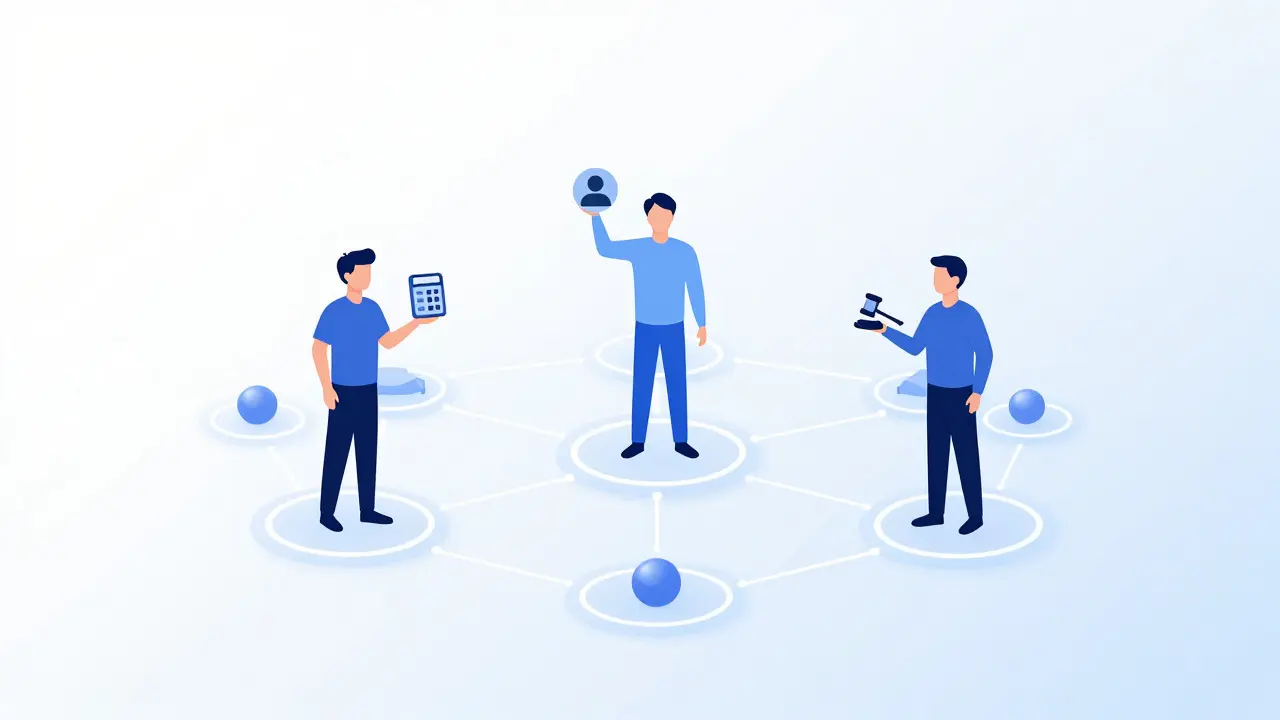
Channel 2: Strategic Partnerships with Complementary Firms
You don't need to find every lead yourself. You can borrow trust from partners who already have your clients' attention. Look for businesses that serve the same audience but offer non-competing services.
| Partner Type | Why They Work | Action Item |
|---|---|---|
| Accountants & CPAs | They advise on tax efficiency and operational costs. Clients trust their financial judgment. | Offer them a white-label report on tech spend optimization for their clients. |
| HR Consultants | They handle onboarding/offboarding. Tech setup is a natural part of this process. | Create a joint "New Hire Tech Setup" package. |
| Law Firms | Startups need legal and tech advice simultaneously during formation. | Host a co-branded webinar on "Legal & Technical Compliance for Startups." |
The goal is reciprocity. Offer value first. If an accountant refers three clients to you, send them a detailed report showing how much those clients saved. This makes the partner look good and encourages more referrals.
Channel 3: Local Business Associations and Chambers of Commerce
If your technology concierge service operates locally or regionally, local networks are undervalued goldmines. Online ads can be expensive and impersonal. In-person events build immediate rapport.
Don't just attend networking mixers where everyone hands out business cards. Take a proactive role:
- Sponsor a Workshop: Host a free 45-minute session on "Reducing Cyber Risk for Small Businesses." Collect emails in exchange for the recording.
- Volunteer: Offer to audit the tech setup for the association's own board. If you fix their issues, you become the trusted expert in the room.
- Co-Host Events: Partner with a local coffee shop or co-working space to host "Tech Tuesdays" where members bring their laptops for free troubleshooting.
This approach positions you as a community resource rather than a vendor. When local businesses face tech emergencies, they call the neighbor who helped them last month, not the company they met online.
Channel 4: Content Marketing with Specific Problem-Solving Focus
Generic blog posts like "What is Cloud Computing?" attract students, not clients. Your content needs to solve specific, urgent problems. Use a "Problem-Agitate-Solve" framework.
Example Article Titles:
- "Why Your Current MSP Isn't Saving You Money (And How to Fix It)"
- "The Hidden Cost of Unmanaged SaaS Subscriptions in 2026"
- "How to Migrate Off Legacy Systems Without Downtime: A Step-by-Step Guide"
Distribute this content via email newsletters to existing contacts and repurpose it into short LinkedIn posts. The goal isn't virality; it's credibility. When a prospect reads three articles that accurately describe their pain, they view you as an expert before the first call.

Measuring Success: Metrics That Matter
Stop tracking vanity metrics like social media likes. Focus on pipeline health.
- Cost Per Qualified Lead (CPQL): Total marketing spend divided by the number of leads that meet your criteria (right size, right budget, right timeline).
- Conversion Rate by Channel: Which channel brings in the most closed deals? If LinkedIn has a 2% close rate and Referrals have a 15% close rate, shift budget accordingly.
- Time to Close: Do leads from local events close faster than cold email leads? Usually, yes, because trust is pre-established.
Review these metrics monthly. Adjust your efforts based on what’s working, not what feels busy.
Frequently Asked Questions
What is the best channel for B2B technology concierge services?
There is no single best channel; it depends on your target market. For mid-sized enterprises, Account-Based Marketing on LinkedIn is highly effective. For local small businesses, chamber of commerce involvement and local partnerships yield higher conversion rates due to established trust.
How do I differentiate my technology concierge from a Managed Service Provider (MSP)?
An MSP typically handles reactive ticket resolution and infrastructure management. A technology concierge focuses on strategic enablement, user experience, and proactive optimization. Emphasize that you act as an extension of their executive team, not just their IT department.
Should I invest in paid advertising for tech services?
Paid ads can work for retargeting warm leads but are often inefficient for cold outreach in B2B. Organic ABM and referral partnerships usually provide a better return on investment because they build long-term relationships rather than one-off transactions.
How many leads do I need to generate per month to sustain growth?
This depends on your average contract value and sales cycle length. As a rule of thumb, aim for a pipeline value of 3x your monthly revenue goal. If you close 10% of qualified leads, you need 100 qualified leads to close 10 deals.
What is the role of content marketing in lead generation for niche services?
Content marketing serves as a trust builder. By publishing specific, problem-solving articles, you demonstrate expertise without requiring a sales call. This warms up prospects, making them more receptive when you reach out directly.