
Every year, the world generates over 60 million metric tons of electronic waste. Most of it ends up in landfills or informal recycling hubs where toxic materials leach into the soil. But a shift is happening. The Circular Economy is an economic model designed to keep products and components in use for as long as possible, minimizing waste and maximizing resource efficiency. It’s not just about recycling; it’s about designing for longevity from day one. As we move through 2026, repairability has become the central pillar of this movement, changing how manufacturers build devices and how consumers view ownership.
The Shift from Disposable to Durable
For decades, the tech industry operated on a linear "take-make-dispose" model. Phones were glued together, batteries were hard to access, and screens were fused to the chassis. This design made repair nearly impossible for anyone but authorized service centers. Now, the tide is turning. Consumers are tired of upgrading every two years. They want devices that last five, ten, or even fifteen years. This demand is forcing companies to rethink their engineering priorities.
Right to Repair legislation is a set of laws that guarantee consumers the legal right to fix their own products using independent technicians, third-party parts, and manufacturer diagnostics. In the United States, several states have passed robust Right to Repair laws since 2023. These laws require manufacturers to provide spare parts, tools, and technical documentation. This isn't just a consumer perk; it's a structural change in how products are designed. If a company knows an independent shop can easily swap a battery, they are incentivized to make that process safe and quick for everyone.
Key Metrics: The Repairability Score
How do you measure if a device is easy to fix? You look at its repairability score. France pioneered this approach with the Repairability Index, which is a standardized scoring system (from 1 to 10) that evaluates how easy it is to repair a product based on factors like part availability, disassembly difficulty, and tool requirements. While the US doesn't have a single federal index yet, many brands now voluntarily publish these scores. A high score means modular design. A low score usually indicates proprietary fasteners or integrated components.
| Feature | Laptop Computers | Smartphones | Home Appliances |
|---|---|---|---|
| Average Repairability Score | 7.5 / 10 | 4.8 / 10 | 6.2 / 10 |
| Battery Replacement Difficulty | Easy (Screw-off) | Moderate (Adhesive removal) | Varies by model |
| Screen Replacement Cost | $100 - $300 | $150 - $400 | N/A |
| Availability of Third-Party Parts | High | Moderate (Increasing) | Low |
| Software Lock-in Issues | Rare | Common (Activation locks) | Uncommon |
Designing for Disassembly
Repairability starts on the drafting table. Engineers are moving away from adhesives and toward mechanical fasteners. Screws, clips, and snap-fits allow a technician to open a device without risking damage to internal components. This is known as Modular Design, which is a design philosophy where products are built from interchangeable modules that can be replaced, upgraded, or repaired independently. Think of it like a car engine. You don't throw away the whole car because the spark plugs are worn out. You replace the plugs. Modern laptops are increasingly following this pattern, with RAM and storage drives becoming user-upgradable again after a decade of soldered-down components.
Another critical trend is standardization. When connectors are unique to one brand, they create friction for repairers. The push for universal charging ports, specifically USB-C, has already simplified accessory management. Now, we see similar efforts in internal components. Standardized screw heads, common battery form factors, and unified diagnostic protocols are making cross-brand repairs more feasible. This reduces the learning curve for independent repair shops and lowers the cost of spare parts inventory.
The Role of Independent Repair Shops
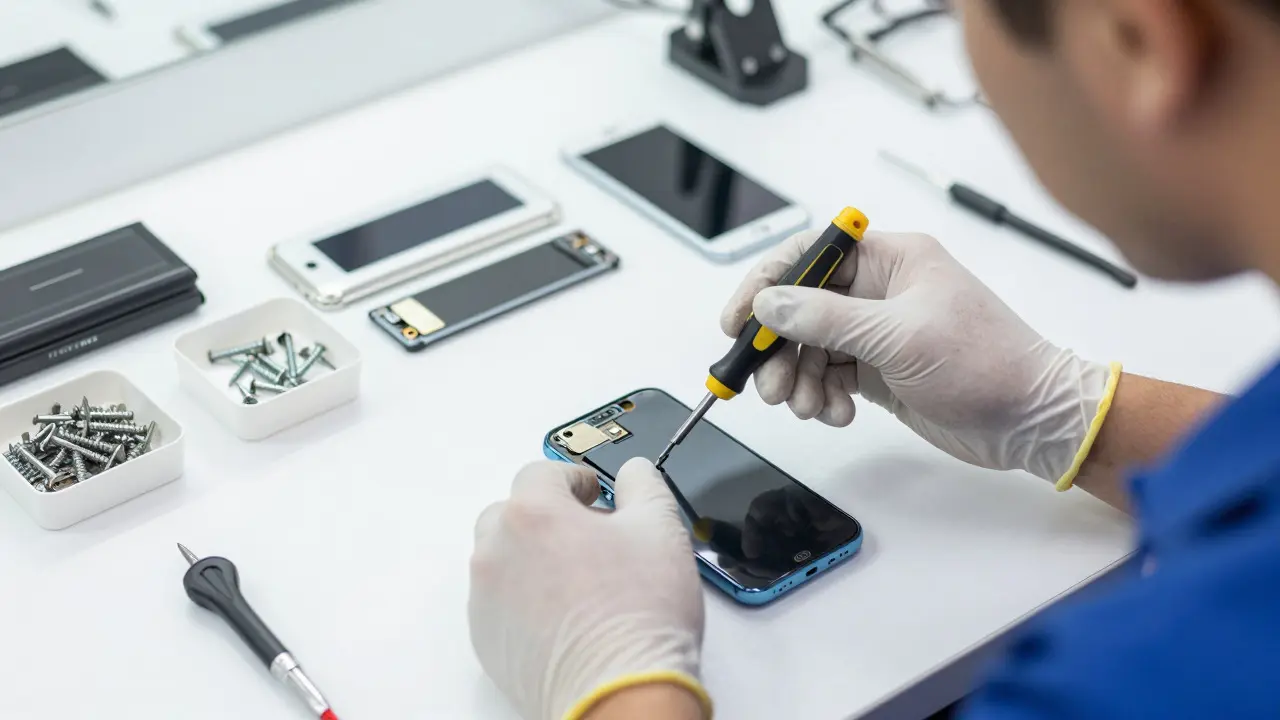
As repairability improves, the ecosystem around it is growing. Independent repair shops are no longer seen as rivals to manufacturers but as essential partners in the circular economy. These local businesses provide a crucial service: they extend the life of electronics that would otherwise be discarded. In Portland, Oregon, for example, the number of certified independent repair centers has grown by 40% since 2023. This growth is driven by both consumer preference and legislative support.
These shops often specialize in niche repairs that big-box stores ignore. From fixing a cracked tablet screen to replacing a failed power button on a smartwatch, they handle the small fixes that add up to significant waste reduction. Moreover, they often source refurbished parts, creating a secondary market for components. This Refurbished Parts Market is a trade network where used but functional electronic components are tested, graded, and resold for reuse in other devices. This market thrives only when devices are designed to be taken apart and put back together cleanly.
Consumer Behavior and Ownership Models
Repairability changes how we think about ownership. Instead of buying a new phone every year, consumers are opting for extended warranties and trade-in programs that value condition over age. Some companies are experimenting with subscription models where the hardware is owned by the manufacturer, and the customer pays a monthly fee. This shifts the incentive entirely: if the manufacturer owns the device, they want it to be durable and repairable to protect their asset value.
However, there is a cultural hurdle. Many people still associate "new" with "better." Marketing campaigns often highlight sleek designs and cutting-edge features, ignoring durability. To bridge this gap, education is key. Consumers need to understand that a repaired device is not a compromise; it's a choice. It’s a statement that values function and longevity over novelty. As awareness grows, the stigma around buying refurbished or repaired electronics is fading, replaced by pride in making a sustainable choice.

Challenges and Roadblocks
Despite progress, hurdles remain. Software lock-in is a major issue. Even if you can physically replace a part, the device might refuse to work without a proprietary authentication chip. This is common in smartphones and some laptops. Manufacturers argue this protects security and intellectual property, but critics say it artificially limits repair options. Legislation is slowly addressing this, requiring manufacturers to provide access to diagnostic software for independent repairers.
Cost is another barrier. While repair is cheaper than replacement, it’s not always free. Labor costs vary by region. In urban areas with high living costs, a simple screen replacement might cost $200. If the original device was inexpensive, the math doesn't always favor repair. This is where policy comes in. Tax incentives for repair services and subsidies for refurbished goods can tip the balance. Additionally, the lack of standardized parts across different models within the same brand creates inventory challenges for repair shops. They have to stock hundreds of specific screws and cables, tying up capital.
What This Means for the Future
The trajectory is clear. By 2030, we expect most major electronics to have mandatory repairability standards in key markets like the EU and North America. We will see more devices with swappable batteries, standardized ports, and open-source firmware options. The goal isn't to stop innovation; it's to make innovation sustainable. A faster processor shouldn't come at the cost of a glued-shut battery. A brighter screen shouldn't mean a fragile hinge.
For businesses, this means rethinking supply chains. Instead of just sourcing raw materials, they need to plan for end-of-life recovery. For consumers, it means having more control over their gadgets. The circular economy isn't a utopian dream; it's a practical response to finite resources. And repairability is the tool that makes it work. Every screw removed, every battery swapped, and every screen fixed keeps e-waste out of the landfill and keeps value in circulation.
Is repairing an old device worth it?
Generally, yes, if the repair cost is less than 50% of the current market value of a comparable new device. However, consider the environmental impact. Extending a device's life by even one year significantly reduces its carbon footprint compared to manufacturing a new one. Check the device's repairability score before committing to a purchase.
What is a repairability score?
A repairability score is a numerical rating, usually from 1 to 10, that indicates how easy it is to repair a product. High scores mean the device uses standard tools, has accessible parts, and offers good documentation. Low scores indicate difficult disassembly, proprietary parts, or complex integration.
Does Right to Repair apply to all electronics?
Currently, it varies by location. In the US, state laws cover categories like smartphones, laptops, tablets, and home appliances. In the EU, regulations are broader and include agricultural machinery and medical devices. Always check local regulations to see what is covered in your area.
Are refurbished parts reliable?
Yes, if sourced from reputable suppliers. Reputable refurbishers test parts thoroughly and offer warranties. The quality depends on the grading system used. Grade A parts are visually perfect and fully functional, while Grade B parts may show minor cosmetic wear but perform identically.
How can I find a good independent repair shop?
Look for shops that are members of recognized associations like iFixit or local Right to Repair coalitions. Read online reviews focusing on turnaround time and communication. Ask if they use OEM (Original Equipment Manufacturer) parts or high-quality aftermarket alternatives. Transparency in pricing and warranty terms is a good sign.