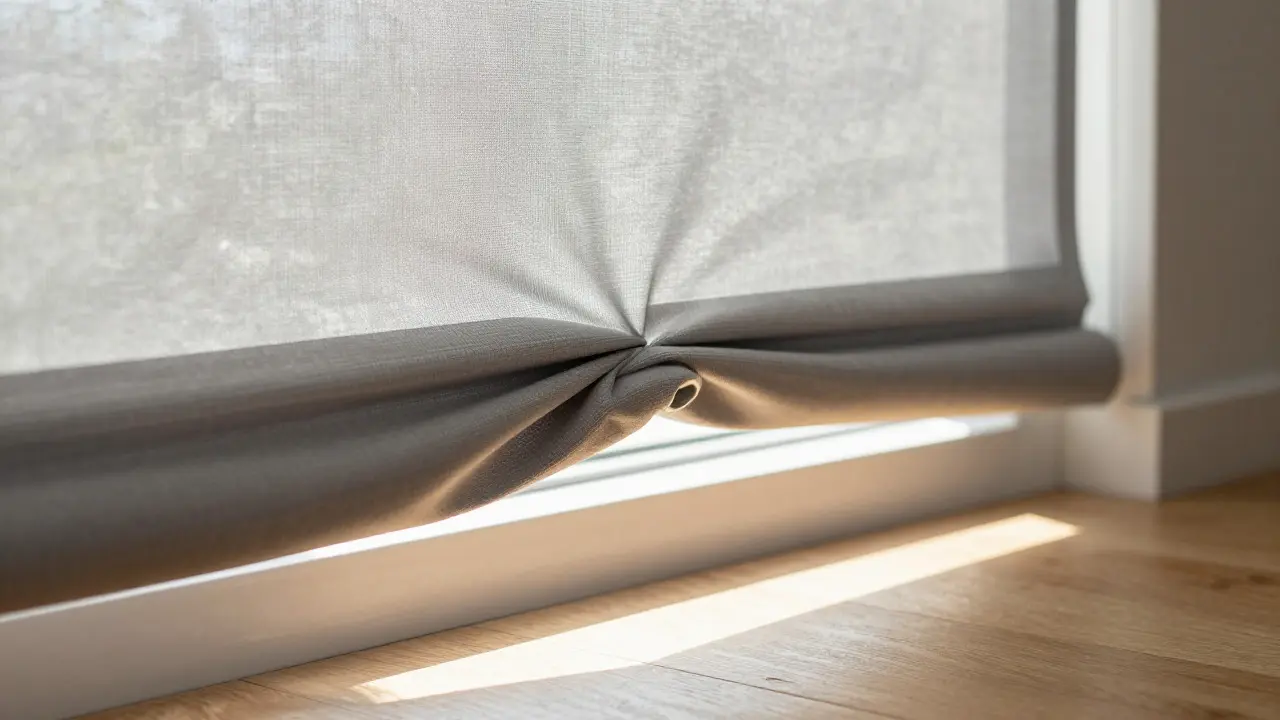
Nothing ruins a sunny afternoon quite like a motorized shade that refuses to stay where you left it. One minute your living room is perfectly dimmed; the next, the fabric has crept up two inches or twisted sideways, letting harsh light slash across the floor. If you own automated window coverings, you know this frustration well. It’s not just an annoyance-it can signal deeper issues with your setup that, if ignored, might damage the mechanism or void your warranty.
This guide cuts through the noise to show you exactly how to diagnose and fix drift and misalignment in motorized shades. We’ll cover the common culprits, from software glitches to physical wear, and give you step-by-step solutions you can try right now. No jargon, no fluff-just practical fixes that work.
Why Do Motorized Shades Drift or Misalign?
Before jumping into repairs, it helps to understand what’s actually going on. Drift refers to the shade moving slightly when it shouldn’t (like creeping up while closed). Misalignment means the shade isn’t hanging straight or is off-center within the frame. Both issues usually stem from one of three root causes: control system errors, mechanical resistance, or environmental factors.
- Control System Errors: The motor loses its “position memory” due to power interruptions, firmware bugs, or weak battery signals. This is the most common cause for Wi-Fi enabled shades.
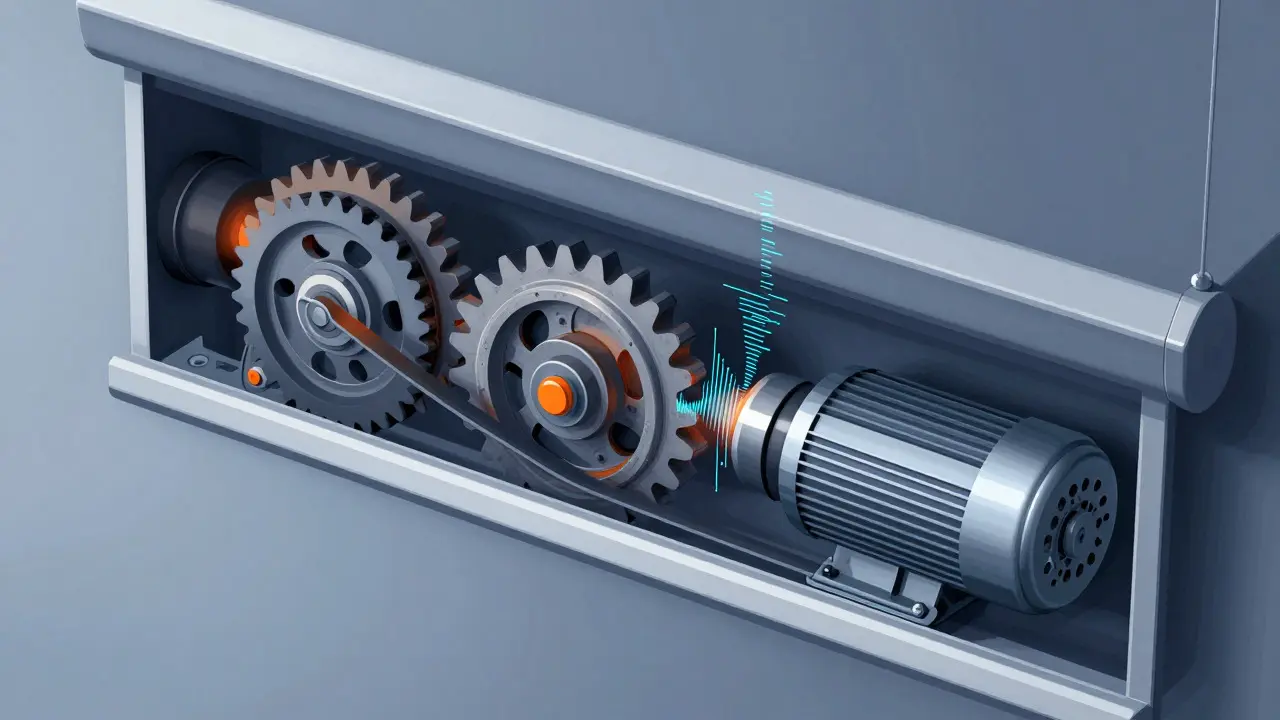
- Mechanical Resistance: Friction in the headrail, worn-out gears, or tangled cords create uneven tension, causing the shade to sag or twist.
- Environmental Factors: Temperature changes expand and contract materials, while strong winds or vibrations from nearby HVAC systems can nudge the shade out of place.
Identifying which of these is at play will save you hours of trial-and-error. Start by checking if the issue happens immediately after a command or develops over time. Immediate drift points to electronics; gradual misalignment points to mechanics.
Step-by-Step Troubleshooting Guide
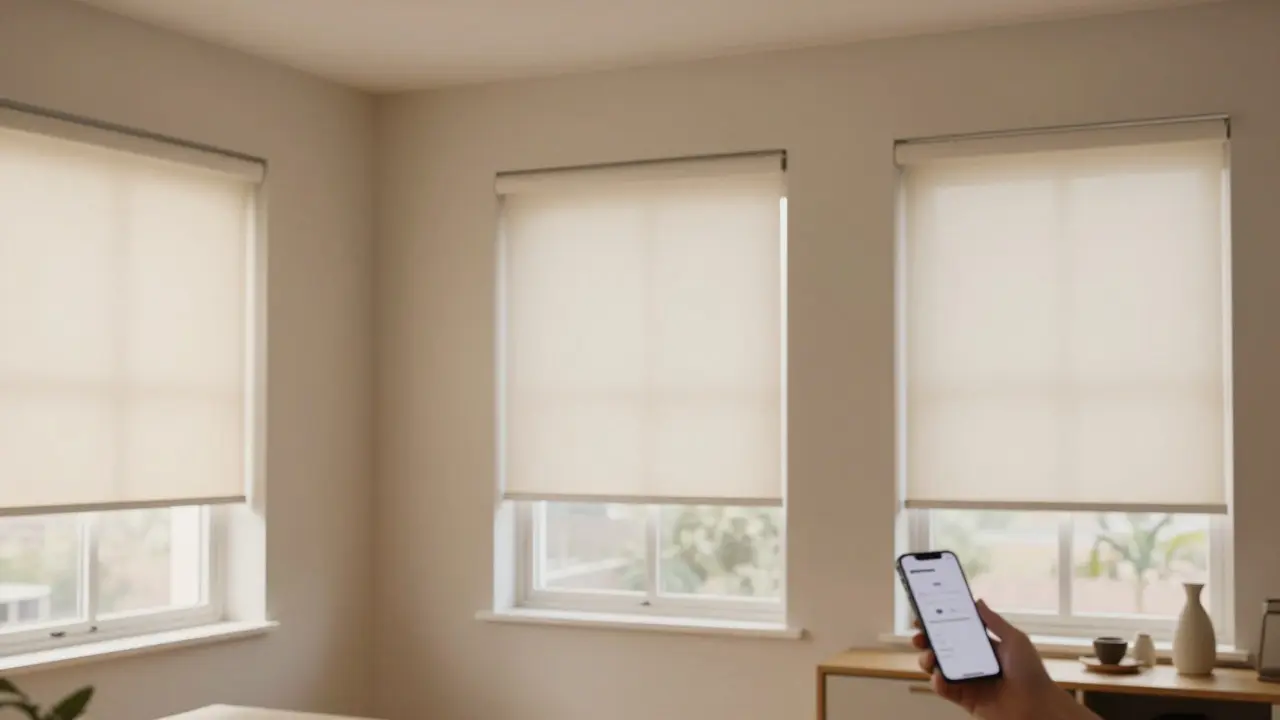
Follow these steps in order. Most users resolve their issues within the first three steps. Keep your smartphone app handy, as you’ll need it for calibration.
- Power Cycle the Shade: Unplug the transformer (for hardwired units) or remove the batteries (for battery-powered units) for 30 seconds. Plug them back in. This resets the internal controller and clears temporary glitches. Wait 2 minutes for the system to reboot before testing.
- Check Battery Health: Weak batteries are a silent killer for performance. Even if the shade moves, low voltage can cause inconsistent motor torque, leading to drift. Replace all batteries with fresh, high-quality alkaline cells. Avoid mixing old and new batteries, as this creates imbalanced power delivery.
- Recalibrate End Limits: Open your smart home app (e.g., Lutron, Somfy, or Hunter Douglas). Navigate to the specific shade’s settings and select “Calibrate” or “Set Limits.” Manually move the shade to the fully open position and confirm in the app. Then move it to fully closed and confirm again. This re-teaches the motor where “top” and “bottom” are.
- Inspect for Physical Obstructions: Look closely at the headrail and bottom rail. Is there dust buildup? A pet hair tangle? A warped piece of fabric? Use a soft brush or compressed air to clean the tracks. Ensure the bottom rail isn’t hitting the windowsill or a curtain rod.
- Verify Mounting Hardware: Gently tug on the side brackets holding the headrail. If they feel loose, tighten the screws with a Phillips-head screwdriver. Loose mounts allow the entire unit to shift under load, causing permanent misalignment.
If the problem persists after these steps, move to the advanced checks below.
Advanced Fixes for Stubborn Issues
Some problems require a bit more digging. Here’s what to do if the basics didn’t work.
Firmware Updates
Manufacturers frequently release updates to fix known drift bugs. Check your app’s settings menu for “Firmware Update” or “System Update.” Download and install any pending updates. Note that some brands require the shade to be in a specific state (usually fully open) during the update process. Don’t interrupt the update, or you may brick the controller.
Motor Torque Adjustment
For professional-grade systems like Lutron Caséta or Somfy Sonesse, you can adjust the motor’s torque setting via the remote or app. If the shade feels sluggish but still drifts, increasing the torque slightly (by 10-15%) can help overcome minor friction. Be careful: too much torque can strain the gearbox. Only make small adjustments and test after each change.
Wiring and Signal Interference
If you have multiple shades in one room, check for signal interference. Wi-Fi and Zigbee signals can clash if routers or other devices are too close. Move your router at least 6 feet away from the shade’s headrail. For hardwired systems, ensure the transformer is grounded properly. A poor ground connection can introduce electrical noise that confuses the motor controller.
Preventing Future Drift and Misalignment
Once you’ve fixed the issue, take these proactive steps to keep your shades running smoothly for years.
- Schedule Monthly Calibrations: Set a reminder in your phone to recalibrate end limits once a month. It takes less than 2 minutes and prevents minor drift from becoming major misalignment.
- Clean Quarterly: Dust accumulates faster in headrails than you think. Wipe down the tracks with a dry microfiber cloth every 3 months. Avoid using wet cloths near electronic components.
- Use High-Quality Batteries: Stick to name-brand alkaline batteries. Cheap carbon-zinc batteries lose charge quickly and deliver inconsistent voltage, which stresses the motor.
- Monitor Temperature Extremes: In very cold or hot climates, consider adding thermal insulation behind the shades. Extreme temperatures can warp plastic components in the headrail, affecting alignment.
These habits add up. A well-maintained motorized shade should last 10-15 years without significant issues. Neglect, however, can shorten that lifespan to half.
When to Call a Professional
Sometimes, DIY fixes aren’t enough. Call a certified installer if you notice any of these signs:
- The motor makes grinding or clicking noises during operation.
- The shade drops suddenly even when powered on.
- You see visible wear on the drive belt or gears (if accessible).
- The issue only occurs with one shade in a multi-shade system, suggesting a localized hardware failure.
Professional service typically costs $75-$150 per shade, depending on complexity. It’s worth it if the repair involves replacing internal parts, as DIY disassembly can void warranties on many premium brands.
| Issue Type | Likely Cause | Recommended Fix | Difficulty Level |
|---|---|---|---|
| Gradual Drift | Weak Batteries / Low Voltage | Replace All Batteries | Easy |
| Sudden Misalignment | Loose Mounting Brackets | Tighten Screws / Re-mount Headrail | Medium |
| Inconsistent Positioning | Outdated Firmware | Update via App | Easy |
| Twisting Fabric | Uneven Tension / Obstruction | Clean Tracks / Adjust Bottom Rail | Medium |
| Complete Failure | Burned Out Motor / Gearbox | Call Professional Technician | Hard |
Frequently Asked Questions
How often should I calibrate my motorized shades?
We recommend calibrating end limits once a month. This simple task ensures the motor accurately knows where the top and bottom positions are, preventing cumulative drift over time. If you live in an area with extreme temperature swings, check twice a month.
Can I use lithium-ion batteries in my motorized shades?
Yes, provided they are the correct size (typically AA or C). Lithium-ion batteries offer higher voltage consistency than alkalines, which can improve motor performance. However, avoid using rechargeable NiMH batteries unless your manufacturer explicitly approves them, as their lower voltage can cause sluggish movement.
What if my shade drifts only when it’s partially open?
This usually indicates uneven tension in the fabric or a bent bottom rail. Inspect the bottom rail for warping. If it looks straight, check if the fabric is twisted. You can gently rotate the bottom rail by hand to untwist it, then re-calibrate the limits. If the issue returns, the drive belt inside the headrail may be slipping and needs professional replacement.
Does humidity affect motorized shades?
High humidity can cause metal components in the headrail to corrode over time, increasing friction. In coastal areas like Portland, Oregon, consider applying a thin layer of silicone lubricant to exposed metal tracks annually. Avoid oil-based lubricants, as they attract dust and gum up the mechanism.
Is it safe to leave motorized shades closed for weeks?
Yes, but move them occasionally. Leaving shades stationary for long periods can cause static electricity buildup or allow dust to settle heavily on the tracks. Open and close them once a week to maintain smooth operation and prevent material fatigue.