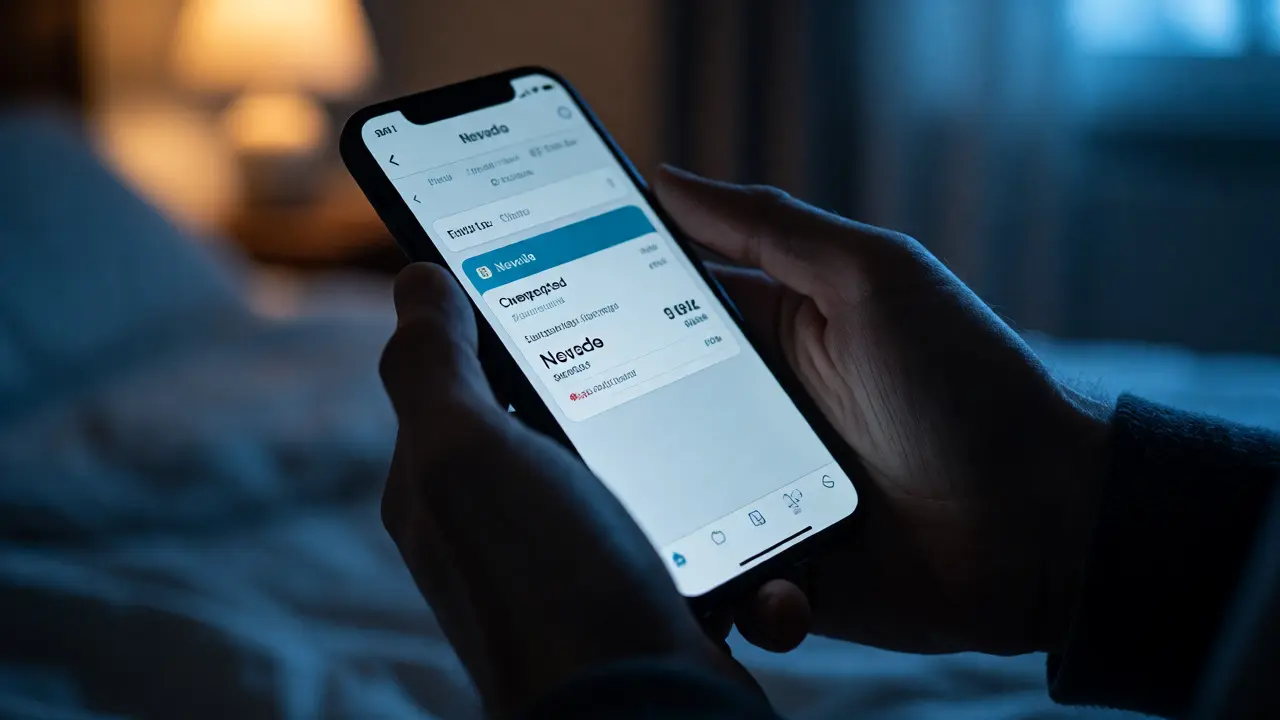
You check your bank app on a Tuesday morning, expecting to see your usual balance. Instead, there’s a $400 charge from a store in Nevada. You haven’t been to Nevada in three years. That sinking feeling in your stomach? That’s the start of identity theft, which is the unauthorized use of someone’s personal identifying information for financial gain or other benefits. It’s not just an inconvenience; it’s a breach that can drag on for months if you don’t act fast. The good news? You have a roadmap.
Confirming the Breach and Gathering Evidence
Before you panic, you need proof. Don’t just assume it’s a glitch. Log into your accounts and download statements from the last six months. Highlight every transaction you don’t recognize. If you see charges from retailers like Amazon or Target that you didn’t make, screenshot them immediately. These digital receipts are your ammunition later.
Next, pull your credit reports. You’re entitled to one free copy from each of the three major bureaus-Equifax, Experian, and TransUnion-every week via AnnualCreditReport.com. Look for accounts you never opened. Maybe there’s a car loan in Ohio or a utility bill in Florida. Write down the creditor’s name, account number, and the date the account was opened. This data helps you dispute errors efficiently.
Placing Fraud Alerts and Credit Freezes
Once you know you’re compromised, stop the bleeding. You have two main tools here: fraud alerts and credit freezes. They sound similar, but they do different jobs.
| Feature | Fraud Alert | Credit Freeze |
|---|---|---|
| Duration | 1 year (renewable) | Indefinite until lifted |
| Cost | Free | Free |
| Action Required by Lenders | Must verify identity before issuing new credit | No access to credit report without PIN/password |
| Best For | Suspected breach, minor exposure | Confirmed theft, high risk of new accounts |
A fraud alert is a notice placed on your credit file requiring creditors to take reasonable steps to verify your identity before issuing new credit. It’s lighter touch. If you think someone stole your Social Security number but hasn’t used it yet, this buys you time. Call one bureau; they’ll notify the other two automatically.
A credit freeze locks your credit report entirely. No lender can see your history unless you unlock it with a PIN. This is the nuclear option, but it’s highly effective against new account fraud. Remember, if you apply for a mortgage or a new phone plan, you’ll need to temporarily lift the freeze. Keep your PINs in a secure password manager, not a sticky note on your fridge.
Filing Official Reports
You need paper trails. Start with the Federal Trade Commission (FTC). File a report at IdentityTheft.gov. This generates an official Identity Theft Affidavit and a personalized recovery plan. It sounds bureaucratic, but banks often require this document to reverse fraudulent charges.
If local law enforcement allows it, file a police report too. Some jurisdictions are strict about accepting identity theft reports only if you have specific proof of loss, so bring your FTC affidavit and bank statements. Get a copy of the police report number. This adds weight when disputing claims with aggressive debt collectors.
Disputing Fraudulent Charges and Accounts
Now you fight back on each front. Contact your bank or credit card issuer first. Most major banks have zero-liability policies for unauthorized transactions. Send a written dispute letter via certified mail. Include copies of your statements, the FTC report, and a list of disputed charges. Do not send originals.
For new accounts opened in your name, contact the creditor directly. Ask for their fraud department. State clearly: "I did not open this account." Request that they close the account and remove any negative marks from your credit report. Follow up with a letter referencing the Fair Credit Reporting Act (FCRA). If they don’t respond within 30 days, escalate to the Consumer Financial Protection Bureau (CFPB).

Restoring Your Credit Score
Even after closing fraudulent accounts, your score might tank because of late payments reported by scammers. You must clean up your credit report. Submit disputes directly to Equifax, Experian, and TransUnion. Use online portals for speed, but keep screenshots of confirmation numbers.
The bureaus have 30 days to investigate. If they find the account is indeed fraudulent, they must delete it. Check your reports again after 45 days to ensure the changes stuck. Sometimes, old data lingers. If a hard inquiry from a scammer remains, dispute that too. It hurts your score less than a delinquent account, but it’s still noise you want gone.
Preventing Future Theft
Recovery is exhausting, so let’s avoid round two. Change all your passwords. Use a unique, complex string for every site. Enable multi-factor authentication (MFA) everywhere possible, especially for email and banking. SMS codes are okay, but authenticator apps are better.
Consider signing up for a credit monitoring service. Many banks offer basic monitoring for free. It won’t prevent theft, but it will alert you instantly if a new inquiry pops up. Also, shred physical documents containing sensitive info. Don’t just toss bills in the recycling bin. Thieves dig through trash for pre-approved credit offers.
Finally, be skeptical of unsolicited calls. Scammers often pretend to be from the IRS or your bank. Hang up and call the institution back using the number on the back of your card. Never give out your SSN over the phone unless you initiated the call.
How long does identity theft recovery take?
It varies widely. Simple cases involving one fraudulent credit card charge can be resolved in 30-60 days. Complex cases with multiple new accounts, tax refund theft, or medical identity theft can take 6 months to several years. Speed depends on how quickly you detect it and how responsive the creditors are.
Will identity theft ruin my credit score permanently?
No, not if you handle it correctly. Once fraudulent accounts are removed from your credit report, the negative impact disappears. However, during the dispute process, your score may drop temporarily due to high utilization or missed payments on fake accounts. Clean records restore your score.
Do I need a lawyer for identity theft?
Usually no. Most victims can resolve issues themselves using FTC templates and FCRA rights. Hire a consumer protection attorney if creditors refuse to cooperate, if you face lawsuits from debt collectors, or if the financial damage exceeds what you can manage alone.
Can I get money back from stolen funds?
Yes, often. Banks typically reimburse unauthorized electronic transfers if reported within 60 days of statement delivery. Cash withdrawals are harder to recover. Always file a police report for cash theft to increase chances of restitution.
What is the difference between a fraud alert and a credit freeze?
A fraud alert warns lenders to verify your identity before granting credit, but they can still access your report. A credit freeze blocks access to your report entirely unless you provide a PIN. Freezes offer stronger protection against new account fraud.