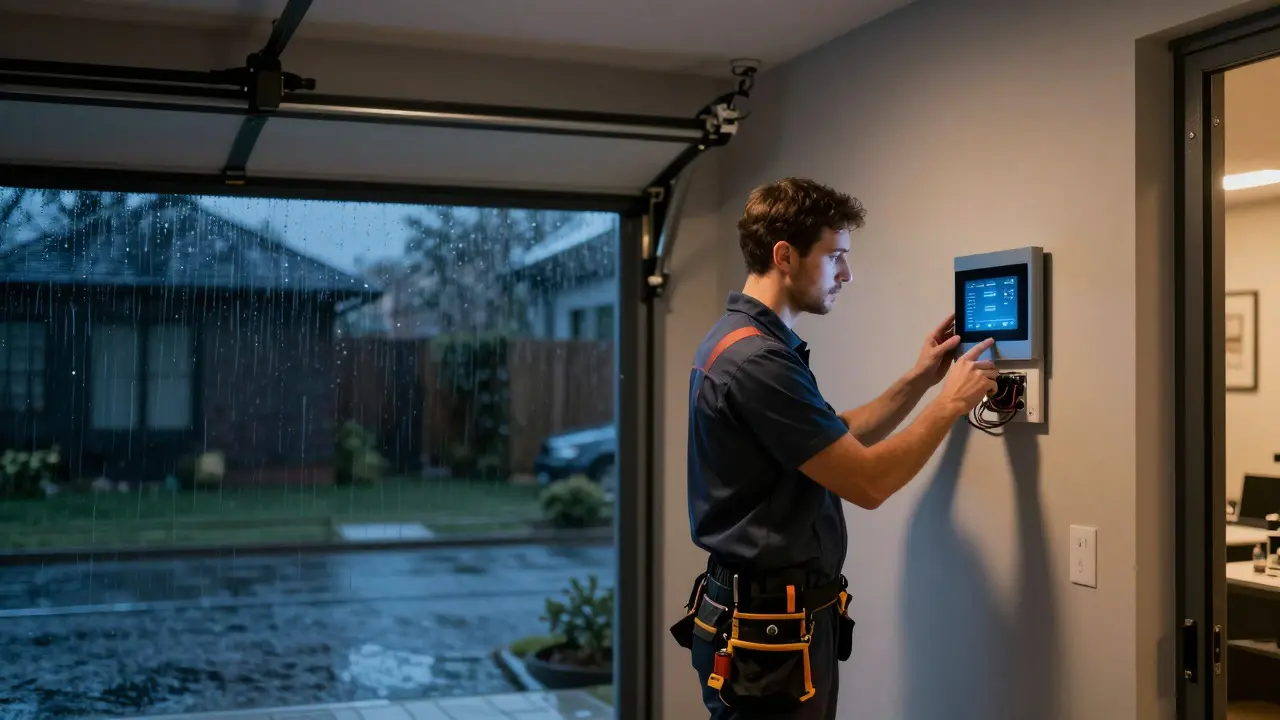
You know that feeling when a client calls at 6 PM on a Friday because their garage door won’t open? It’s not just annoying; it’s a threat to your reputation. For professional installers, the platform you choose isn’t just software-it’s the backbone of your business. If it crashes during a critical setup or lacks the hooks to talk to other devices, you’re stuck troubleshooting instead of billing. That’s why pro installation experts look past flashy marketing and focus on three hard metrics: reliability, API depth, and ecosystem breadth.
Choosing the right tech stack determines whether you scale to fifty installs a month or burn out trying to keep twenty happy. Let’s break down how seasoned pros actually make this call, moving beyond spec sheets to real-world operational needs.
The Non-Negotiable: Uptime and Stability
In the world of Home Automation the technology used to control lighting, security, and climate systems remotely, downtime is expensive. A consumer might forgive a laggy app, but a commercial client paying for a managed service expects 99.9% uptime. Pros prioritize platforms with proven track records over new, untested features.
When evaluating reliability, professionals look at two specific data points:
- Cloud vs. Local Processing: Does the system depend entirely on an internet connection? If the ISP goes down, does the local controller keep running? Pros often prefer hybrid architectures where local logic handles critical functions like security locks, while cloud services handle remote access and analytics.
- Firmware Update History: Check the release notes. A platform that pushes major updates without clear changelogs or rollback options is a risk. You want a vendor that communicates clearly about what changes and when.
For example, if you’re installing a security system, the difference between a cloud-only lock and a Z-Wave enabled local lock can mean the difference between a client being locked out during a storm and them walking through the door normally. This level of detail is what separates hobbyist setups from professional-grade installations.
API Depth: The Difference Between a Toy and a Tool
This is where most casual users get tripped up, but it’s the primary filter for pros. An Application Programming Interface (API) allows different software to talk to each other. But not all APIs are created equal. Some are limited to basic on/off commands, while others expose granular control over every sensor and actuator.
Pros need APIs that support:
- Webhooks: Real-time event triggers. When a door opens, the server should know immediately without polling every second.
- Bulk Actions: Can you update 500 devices in one command? If you’re doing multi-family residential builds, manual configuration is impossible.
- Authentication Security: Does the API use OAuth 2.0 or simple API keys? Simple keys are fine for internal tools but risky for third-party integrations.
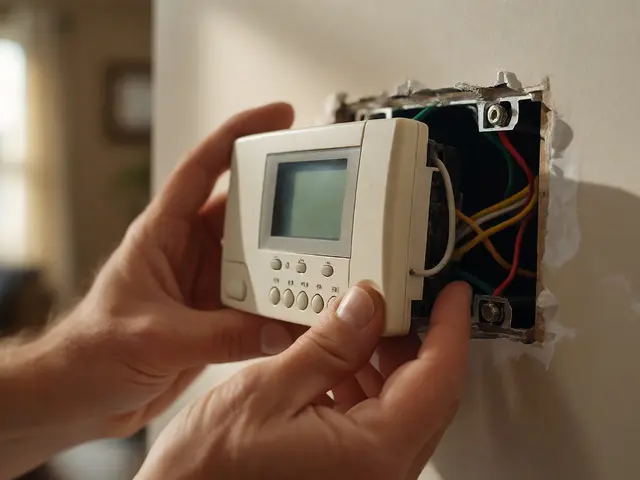
Consider a scenario where you’re integrating a new smart thermostat into an existing building management system. If the thermostat’s API only allows you to read the temperature, you’re stuck. You need write access to adjust setpoints based on occupancy sensors from a different brand. Without deep API access, you end up building fragile workarounds that break with the next firmware update.
Ecosystem Breadth: Avoiding Vendor Lock-in
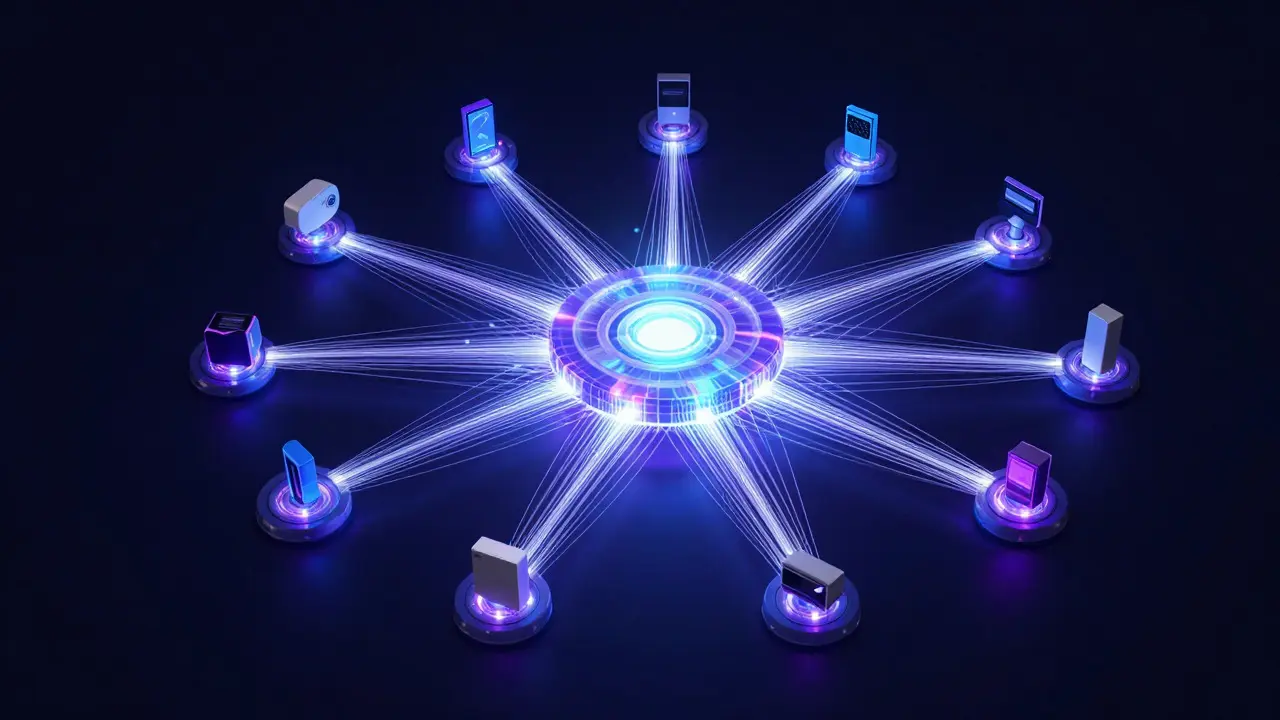
No single brand makes every device a pro needs. You’ll encounter legacy HVAC units, proprietary security panels, and niche lighting controllers. The platform you choose must sit comfortably in the middle, acting as a universal translator. This is known as ecosystem compatibility.
A robust ecosystem means the platform supports multiple communication protocols natively. Here is how the major protocols compare in terms of professional utility:
| Protocol | Range | Power Source | Best Use Case | Professional Advantage |
|---|---|---|---|---|
| Z-Wave | 100m (Mesh) | Battery/Line | Security, Lighting | Sub-GHz frequency avoids Wi-Fi interference; reliable mesh network |
| Thread | 30m (Mesh) | Battery/Line | Sensors, Actuators | Low latency; built for Matter standard; self-healing network |
| Wi-Fi | Variable | Line Power | Cameras, Hubs | No extra hardware needed; high bandwidth for video |
| Zigbee | 30m (Mesh) | Battery/Line | Lighting, Sensors | Large capacity per hub; widely supported by manufacturers |
If your chosen platform doesn’t speak Z-Wave, you’re forced to buy a separate bridge for every project. That adds cost, complexity, and another point of failure. Pros favor platforms that integrate these protocols directly into the main dashboard, allowing for unified management. This reduces the time spent switching between apps during commissioning and simplifies troubleshooting for the end user.
The Hidden Cost: Support and Documentation
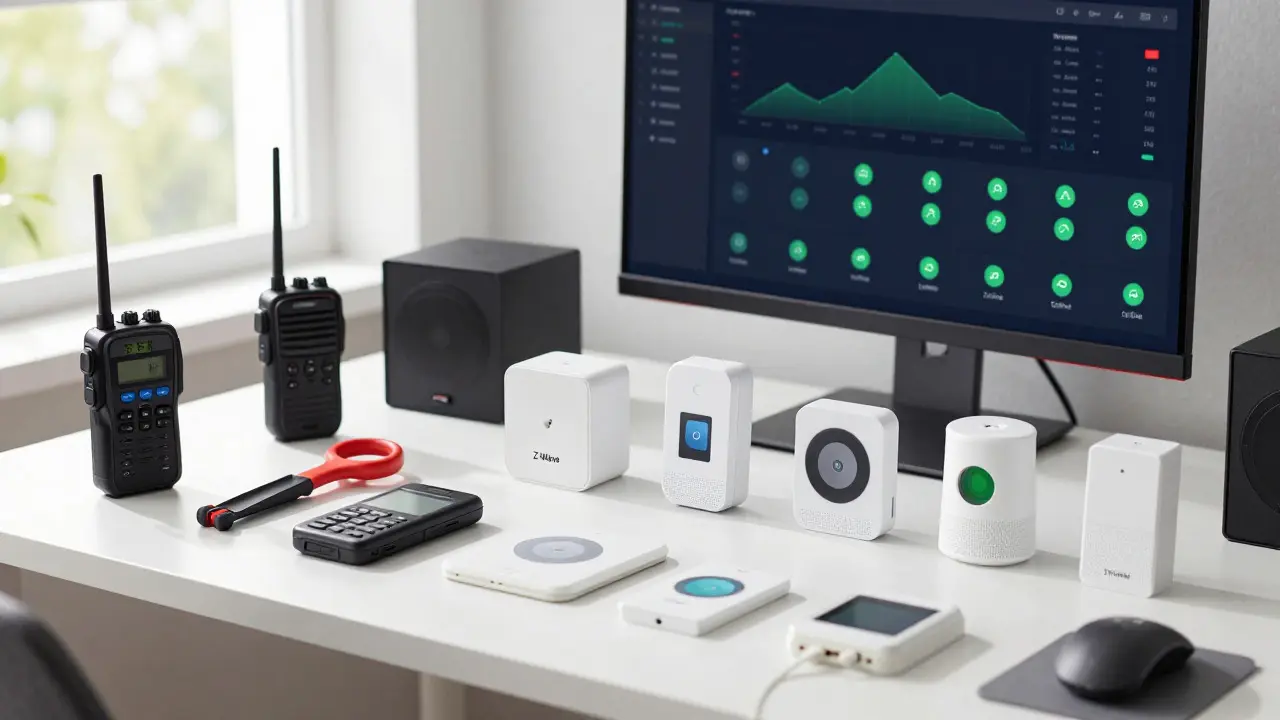
It’s easy to forget about documentation until you’re staring at a blank screen at midnight. Professional environments demand more than community forums. You need dedicated technical support lines, detailed developer docs, and sample code snippets.
Ask yourself these questions before committing to a platform:
- Is there a direct line to a human engineer, or do I have to wait for email responses?
- Are the API docs versioned? If they change, will my scripts break silently?
- Does the vendor offer certified training for installers?
Vendors who invest in installer education reduce your onboarding time. If you have to spend three days figuring out how to authenticate a webhook, that’s three days not billing clients. Look for partners who treat installers as customers, not just users of their product.
Scaling Your Business with the Right Stack
Ultimately, the goal is to build a repeatable process. When you standardize on a reliable platform with deep APIs and broad ecosystem support, you create a template. Each new installation becomes faster because you’ve already solved the integration puzzles. You stop reinventing the wheel for every client.
This standardization also helps with hiring. If your team knows one platform well, cross-training new technicians is easier. They don’t have to learn five different interfaces; they master one robust system. This consistency leads to fewer errors, higher client satisfaction, and ultimately, better margins.
Don’t let the latest gadget hype distract you. Stick to the fundamentals: Can it stay online? Can it talk to everything else? Is the support real? If you can answer yes to those three questions, you’ve found a platform worth building your business on.
What is the most important factor for professional installers when choosing a platform?
Reliability is the top priority. Unlike consumers, pros face financial penalties and reputational damage if a system fails. Therefore, uptime guarantees and stable firmware updates are more critical than advanced features.
Why do pros care about API depth?
Deep APIs allow for custom integrations and bulk management. This enables installers to automate complex scenarios, manage large fleets of devices, and connect disparate systems that don’t natively support each other.
Should I choose a platform that supports multiple protocols like Z-Wave and Thread?
Yes. Multi-protocol support reduces the need for additional hardware bridges, lowers project costs, and simplifies troubleshooting. It ensures compatibility with both legacy and emerging devices.
How does vendor support impact installation speed?
Direct technical support and clear documentation significantly reduce onboarding time. If issues arise during installation, quick resolution prevents project delays and keeps clients informed and confident.
Is it worth investing in certified training for a specific platform?
Yes. Certified training ensures your team uses best practices, reduces error rates, and speeds up future installations. It also signals professionalism to clients, potentially allowing you to charge premium rates.