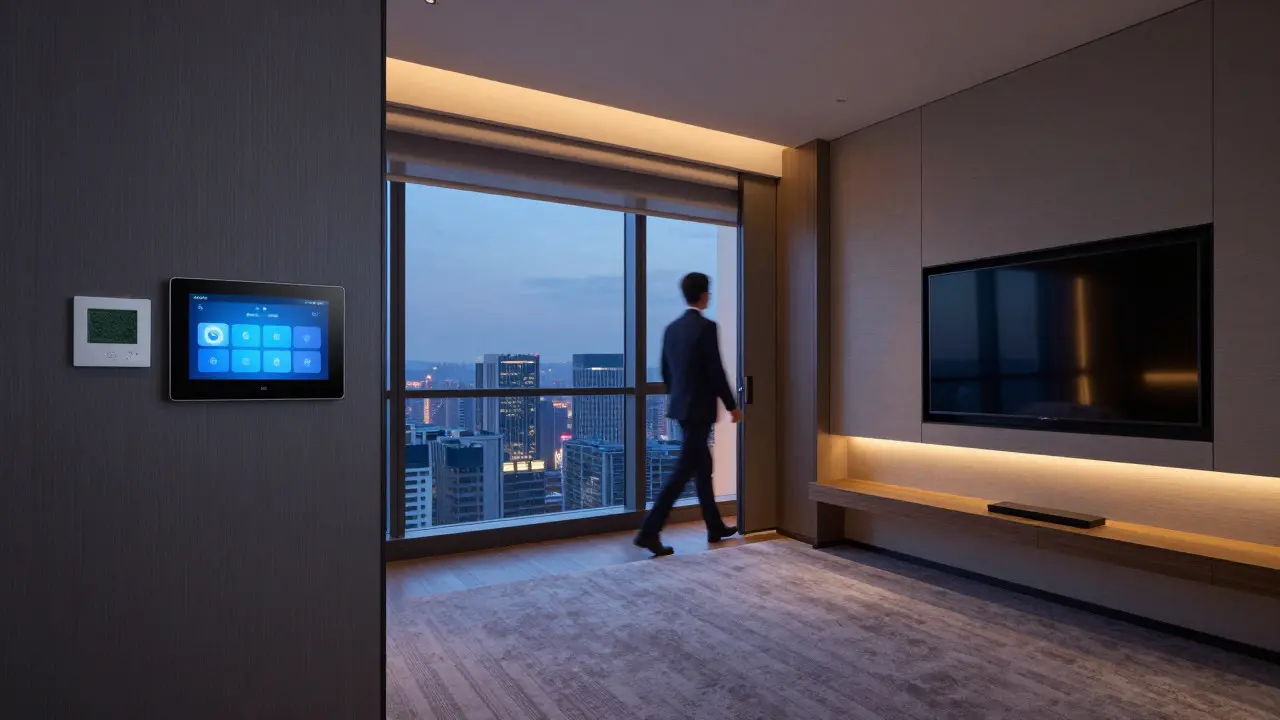
Walk into a modern hotel suite, and the first thing you notice isn't the view or the bed-it's how seamlessly the room responds to you. The lights dim as you enter, the thermostat adjusts to your preferred temperature before you even touch the remote, and the TV is already tuned to a channel you watched last night. This isn't magic; it's hotel room automation at work. For hospitality operators, this technology has shifted from a luxury perk to a core operational necessity, driving both guest satisfaction and cost efficiency.
The integration of in-room entertainment (IRE) and climate control systems represents the most visible layer of this transformation. When these two systems communicate effectively, they create a cohesive environment that feels intuitive rather than technical. Guests don't want to learn new interfaces; they want comfort. Operators don't want complex maintenance schedules; they want reliability. The sweet spot lies in systems that handle the complexity behind the scenes while presenting a simple, elegant interface to the user.
Why Integration Beats Standalone Systems
Many hotels still operate their IRE and HVAC (Heating, Ventilation, and Air Conditioning) systems as silos. The TV panel is one vendor, the thermostat is another, and the property management system (PMS) struggles to get data from either. This fragmentation leads to two major problems: poor guest experience and hidden energy costs.
When systems are integrated, context becomes king. If a guest turns off the TV and leaves the room, the automation engine can trigger the HVAC to switch to "away" mode, saving energy without requiring manual intervention. Conversely, if the IRE system detects motion via a connected sensor or the door lock status indicates occupancy, the climate control can pre-condition the room before the guest arrives. This level of coordination is impossible with standalone devices that don't share a common language or protocol.
The Core Components of Modern In-Room Automation
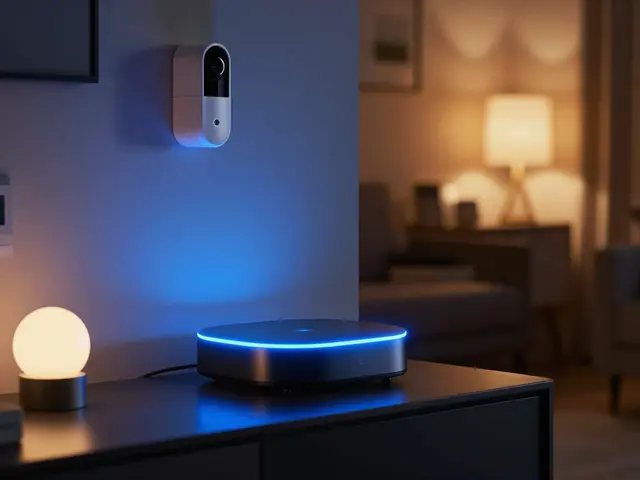
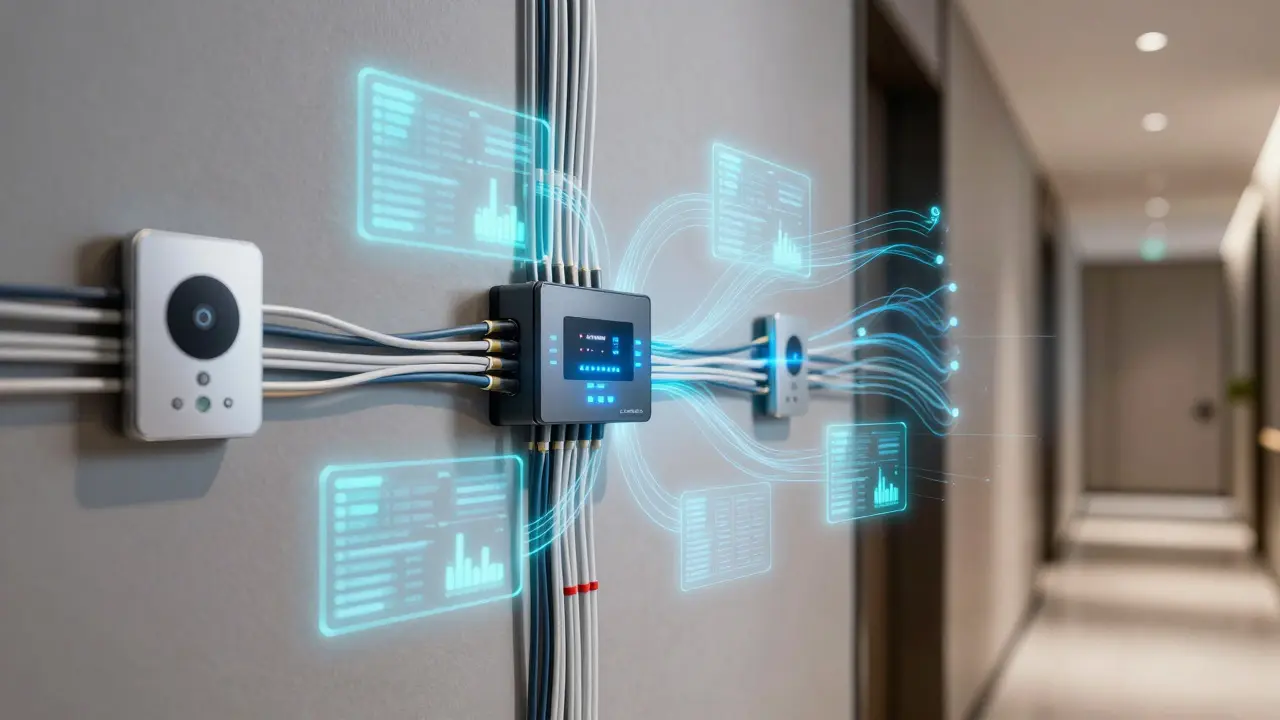
To understand how this works, we need to look at the specific technologies involved. A robust automation stack typically consists of three layers: the interface, the controller, and the actuators.
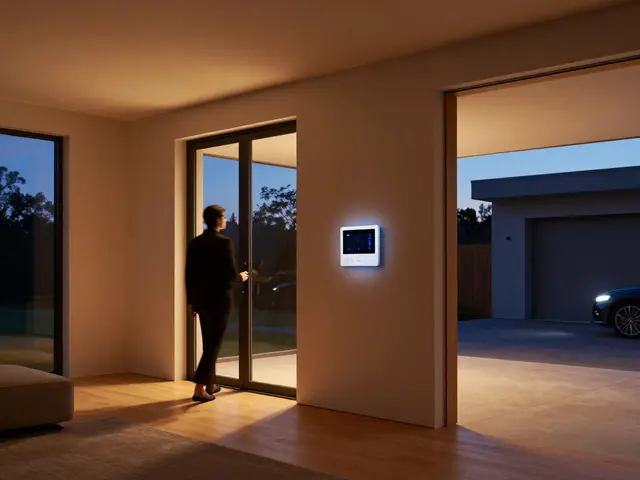
- The Interface: This is what the guest sees. It could be a wall-mounted touchscreen, a tablet on the desk, or increasingly, voice assistants like Amazon Alexa or Google Nest. The key attribute here is simplicity. Interfaces should require no more than two taps to adjust temperature or change channels.
- The Controller: The brain of the operation. This is often a local gateway or a cloud-based platform that processes inputs from sensors and sends commands to devices. Look for controllers that support open protocols like Zigbee, Z-Wave, or standard IP networking to avoid vendor lock-in.
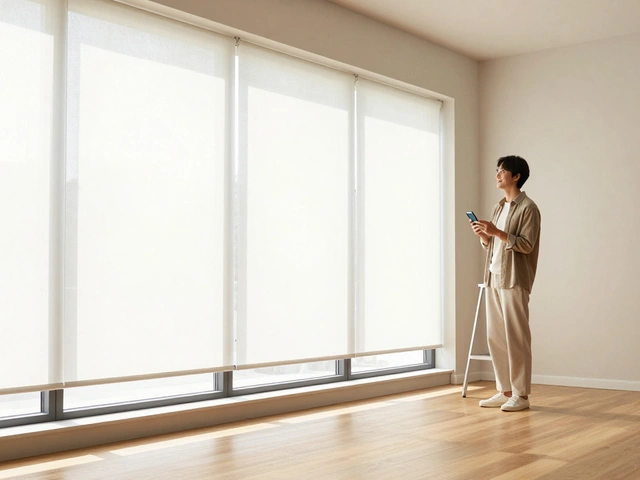
- The Actuators: These are the physical devices doing the work-smart thermostats, motorized shades, smart locks, and HDMI switches for the TV. High-quality actuators ensure that commands are executed reliably, even if the internet connection hiccups.
Climate Control: Beyond the Thermostat
Traditional thermostats maintain a set temperature. Smart climate control maintains a set comfort level. This distinction matters because comfort is subjective and dynamic. A well-designed system uses multi-sensor input to adjust conditions in real-time.
For example, a system might monitor not just temperature, but also humidity and air quality. If humidity rises above 60%, the dehumidifier kicks in automatically, preventing that stuffy feeling that makes guests reach for the AC knob unnecessarily. Furthermore, integrating with weather data allows the system to anticipate changes. If a heat wave is forecasted for the afternoon, the system can start cooling the room earlier in the day when energy rates are lower, optimizing both cost and performance.
From an operational standpoint, this granularity provides valuable data. Hotel managers can see exactly which rooms consume the most energy and why. Is it a leaky window? A broken damper? Or simply a guest who prefers the room freezing cold? With detailed logs, facilities teams can address mechanical issues proactively rather than waiting for a guest complaint.
In-Room Entertainment: Personalization at Scale
In-room entertainment has evolved far beyond cable TV. Today, it includes streaming services, digital signage, and interactive concierge services. The challenge for hotels is managing licenses and content delivery across hundreds of rooms without creating a fragmented experience.
Automation solves this by centralizing content management. Instead of updating each TV individually, operators push updates to a central server, which then distributes them to all rooms. This ensures that every guest sees the same high-quality interface, whether they are in Room 101 or Room 950. Additionally, profile synchronization allows returning guests to pick up where they left off. If a guest used Netflix in New York last month, their profile and watch history can be available in their next stay, provided they link their account through the hotel's portal.
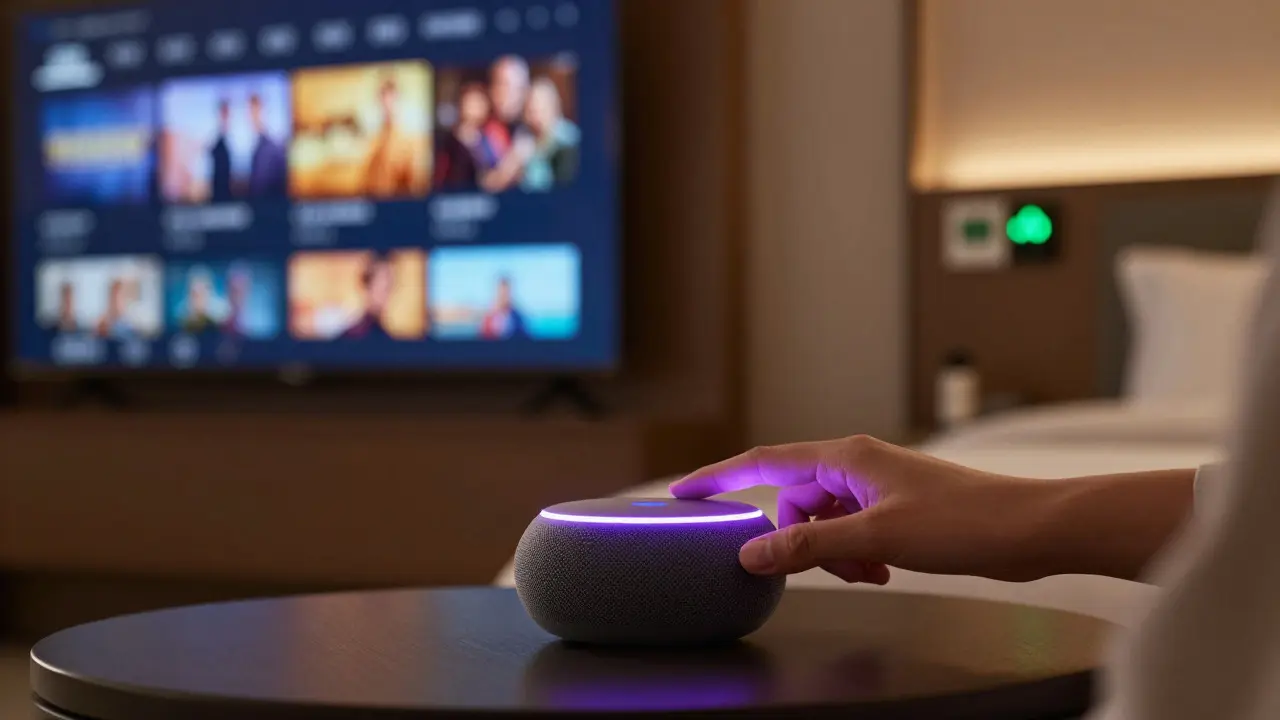
Voice control is becoming the dominant interaction model for IRE. Guests find it faster to say "Turn on the movie" than to navigate menus. However, this requires low-latency processing. Cloud-only solutions can suffer from lag if the network is congested. Hybrid approaches, where basic commands are processed locally on the in-room gateway, provide a snappier response time, keeping the guest experience smooth even during peak Wi-Fi usage hours.
Comparison of Automation Approaches
Hotels have different options when implementing these systems. The choice depends on budget, building age, and desired level of control. Here is a comparison of the three most common approaches:
| Model | Cost Structure | Maintenance Complexity | Scalability | Best For |
|---|---|---|---|---|
| Cloud-Managed SaaS | Monthly subscription per room | Low (vendor handles updates) | High (easy to add rooms) | New builds, boutique hotels |
| On-Premise Gateway | High upfront hardware cost | Medium (local IT required) | Medium (limited by server capacity) | Large resorts, legacy systems |
| Hybrid Model | Moderate (mixed capex/opex) | Medium-High | High | Mid-size chains balancing cost/control |
The cloud-managed approach offers the fastest deployment but ties the hotel to a specific vendor's ecosystem. On-premise solutions offer more control and potentially lower long-term costs but require dedicated IT staff. The hybrid model attempts to balance these factors by keeping critical controls local while using the cloud for analytics and remote management.
Energy Efficiency and Cost Savings
One of the strongest business cases for room automation is energy savings. According to the U.S. Department of Energy, HVAC accounts for roughly 30-40% of a hotel's total energy consumption. By automating climate control based on occupancy, hotels can reduce this figure significantly.
A typical implementation sees a 15-25% reduction in HVAC energy costs within the first year. This happens because rooms are no longer heated or cooled when empty. Traditional methods rely on housekeepers manually adjusting thermostats, which is inconsistent and often forgotten. Automation removes human error from the equation. Every room is managed according to the same optimized logic, ensuring maximum efficiency without sacrificing guest comfort.
Implementation Challenges and Pitfalls
Despite the benefits, implementation is not without hurdles. The biggest pitfall is underestimating the importance of network infrastructure. Smart devices are bandwidth-hungry. If the hotel's Wi-Fi network was designed for basic email and web browsing, it may struggle to support hundreds of IoT devices simultaneously. Upgrading to a dedicated IoT VLAN or using wired backbones for gateways is often necessary to prevent latency issues.
Another common mistake is ignoring guest education. Even the best interface fails if guests don't know how to use it. Simple QR codes on the wall leading to video tutorials, or clear iconography on the main screen, can drastically reduce helpdesk calls. Finally, vendor lock-in is a real risk. Always negotiate contracts that allow for data portability and ensure that the system supports open standards so you aren't trapped if you decide to switch providers in the future.
Future Trends in Hospitality Automation
Looking ahead, the trend is moving toward predictive personalization. AI algorithms will analyze past stays, local weather, and even biometric data (if wearables are integrated) to predict guest preferences before they arrive. Imagine checking in and finding the room already scented with your preferred aroma, the lighting set to your favorite color temperature, and the playlist queued up based on your music history.
Sustainability will also drive further innovation. Hotels will increasingly use automation to report carbon footprints to guests, turning energy-saving actions into a positive engagement tool. As these technologies mature, the line between a hotel room and a smart home will continue to blur, offering guests a familiar, comfortable environment wherever they travel.
How much does hotel room automation cost?
Costs vary widely depending on the scale and technology chosen. A basic retrofit for a single room might range from $1,500 to $3,000, including hardware and installation. For larger properties, cloud-based solutions often charge a monthly fee per room, typically between $10 and $25, which covers software, support, and updates. New construction projects can integrate these systems more cost-effectively during the design phase.
Does room automation require a strong internet connection?
While cloud connectivity enhances features like remote monitoring and OTA updates, basic automation functions can run locally. Using on-premise gateways or local controllers ensures that critical tasks like locking doors or adjusting temperature continue to work even if the internet goes down. However, for streaming entertainment and voice assistants, a stable, high-speed network is essential.
Can existing thermostats be upgraded to smart systems?
In many cases, yes. Retrofit kits are available that connect to existing HVAC wiring and add smart capabilities. However, compatibility depends on the type of HVAC system (e.g., VRF, split-system, or central). It is crucial to consult with an HVAC specialist to ensure the new smart controller can properly manage the existing equipment without voiding warranties or causing operational conflicts.
What is the ROI period for implementing in-room automation?
The return on investment typically comes from two sources: energy savings and reduced labor costs. Most hotels see a payback period of 2 to 4 years. Energy savings alone can offset a significant portion of the initial investment, while reduced housekeeping and engineering time for troubleshooting adds further value. Guest satisfaction improvements can also lead to higher repeat bookings, which contributes to long-term revenue growth.
How do I choose the right vendor for my hotel?
Look for vendors with a proven track record in the hospitality sector, not just residential smart homes. Ask about their API openness, customer support response times, and case studies from similar-sized properties. Ensure they offer a pilot program so you can test the system in a few rooms before committing to a full rollout. Check references specifically regarding maintenance support and ease of integration with your current Property Management System.