Have you ever turned the volume up so high that your partner complained, only to realize you still couldn’t make out the words on the other end of the line? You are not alone. For millions of seniors, standard televisions and smartphones are designed with a frequency range that misses the high-pitched consonants crucial for understanding speech. The result is frustration, isolation, and the constant battle against background noise.
The good news is that technology has caught up. We are no longer limited to bulky hearing aids or shouting matches in the living room. Today’s hearing-friendly tech offers sleek, effective solutions specifically engineered to bridge the gap between sound and understanding. From amplified phones with visual alerts to direct-streaming TV systems, these tools restore independence and connection without the stigma or complexity of older devices.
Why Standard Devices Fail Hearing Impairment Needs
To understand why specialized gear matters, we need to look at how age-related hearing loss works. Most seniors suffer from presbycusis, which primarily affects high-frequency sounds first. This means you might hear the low rumble of a truck engine perfectly fine but miss the "s," "f," or "th" sounds in human speech. These consonants carry the meaning of words. Without them, "ship" becomes "chip," and conversation turns into guesswork.
Standard smartphones and TVs compress audio to save bandwidth or fit small speakers. They often cut off those critical high frequencies. Furthermore, they lack the ability to isolate speech from ambient noise. When a dog barks or a car passes by, a standard device treats all sound equally, drowning out the person trying to talk to you. Hearing-friendly tech addresses this by boosting specific frequencies and using directional microphones to focus solely on the voice source.
Amplified Phones: More Than Just Volume
An amplified phone is not just a regular phone with a louder speaker. It is a dedicated communication tool built for clarity. When shopping for one, you want to look for features that go beyond simple decibel increases.
| Feature | Why It Matters | What to Avoid |
|---|---|---|
| Frequency Boosting | Enhances high-pitched consonants for clearer speech intelligibility. | Devices that only boost overall volume (distorts sound). |
| Loud Ringer & Visual Alerts | Ensures you never miss a call even if you aren't wearing hearing aids. | Phones with subtle vibrations or soft chimes. |
| Large Display & Buttons | Reduces cognitive load; makes dialing easier for those with arthritis or vision issues. | Tiny touchscreens requiring precise finger taps. |
| Intercom Functionality | Allows talking to someone in another room without picking up the handset. | Single-room operation only. |
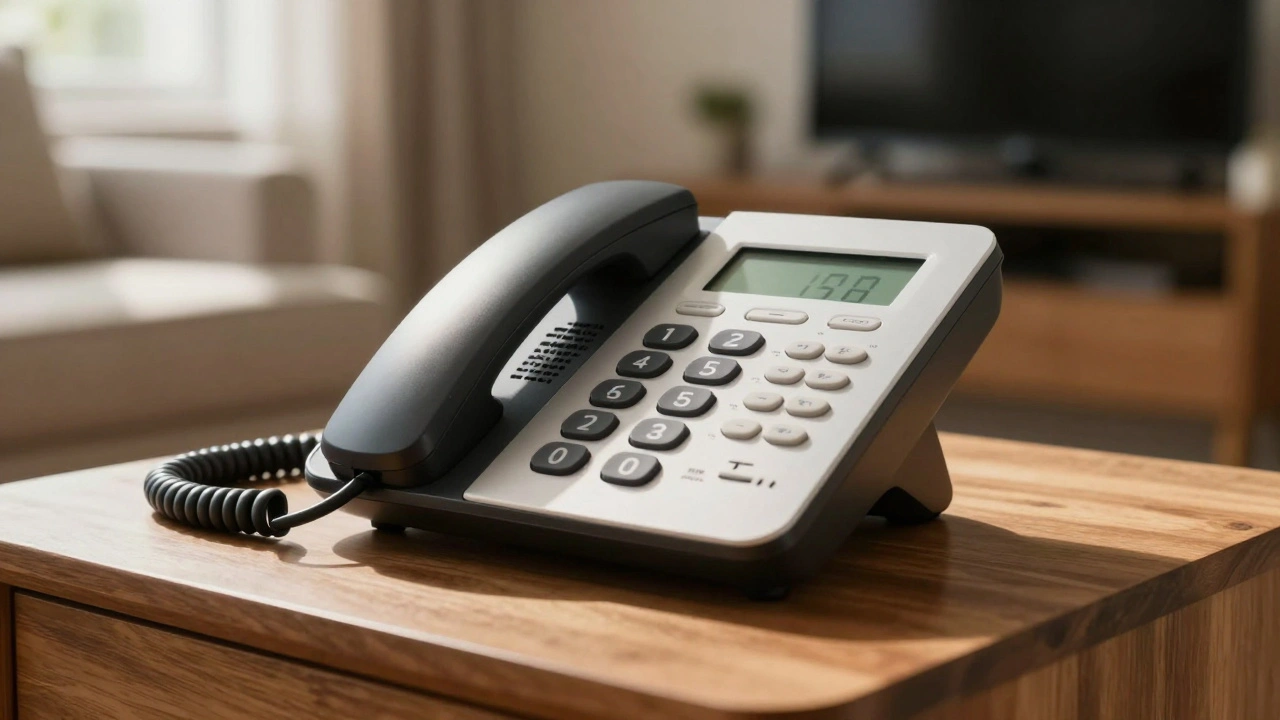
One standout option is the Clarity Phone, which is a landline-style telephone designed with large buttons and a digital display that shows who is calling. It allows users to adjust the ringing volume independently from the voice volume. This is crucial because many people need a loud ring to notice the phone but prefer moderate voice levels to avoid ear fatigue.
For those who rely on mobile connectivity, amplified cell phones like the Jitterbug Smart3 are a smartphone interface simplified for seniors with a dedicated button for urgent help and large text options. While not strictly an "amplified" device in the hardware sense, its software optimization reduces background noise during calls and integrates easily with hearing aids via Bluetooth streaming.
TV Listening Systems: Private Clarity Without Disturbance
Watching television is often the biggest point of contention in households with hearing-impaired members. Cranking up the TV to hear dialogue usually drowns out everything else in the room. TV listening systems solve this by delivering audio directly to the listener, bypassing the room acoustics entirely.
There are three main types of TV listening systems available today:
- Infrared (IR) Systems: These use light waves to transmit sound from the TV to headphones. They offer excellent privacy and zero interference with Wi-Fi or Bluetooth signals. However, you must be in the direct line of sight of the transmitter, which can be limiting if you move around the room.
- Bluetooth Systems: Modern smart TVs often have built-in Bluetooth. You can pair wireless headphones directly to the TV. The benefit is convenience and mobility. The downside is potential latency (audio lag) and battery dependency.
- FM/Radio Frequency Systems: These work like walkie-talkies, sending sound through radio waves. They cover larger areas and don’t require line-of-sight. They are robust but can sometimes pick up interference from other electronic devices.
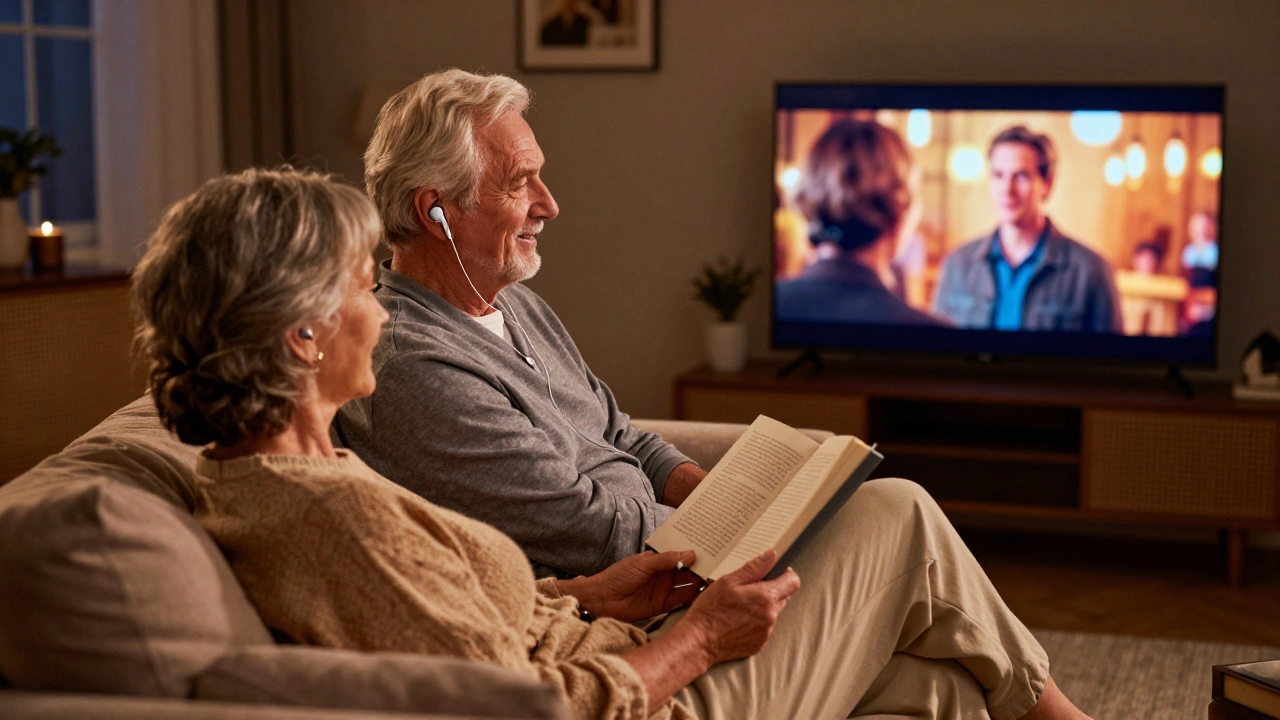
A popular choice for many seniors is the Sony LinkBuds S, which are lightweight true wireless earbuds optimized for transparency mode and clear voice capture. Unlike traditional over-ear headphones, these sit comfortably in the ear canal, allowing you to hear both the TV audio and your surroundings. This is safer and less isolating than noise-canceling headphones that block out the world completely.
For those who prefer not to wear anything in their ears, neckband-style headphones like the Skullcandy Crusher ANC 2 provide comfortable over-ear coverage with customizable bass and volume settings. Many models now include a "transparency" feature that lets in ambient noise, so you can still hear if someone knocks on the door while watching your favorite show.
Integrating with Existing Hearing Aids
If you already wear hearing aids, you might wonder if you need separate amplified devices. The answer depends on whether your hearing aids support Bluetooth streaming. Most modern hearing aids from major brands like Phonak, Oticon, and Widex can connect directly to smartphones and TVs.
However, there are limitations. Battery life drains faster when streaming audio continuously. Also, not all older hearing aid models support direct streaming. In these cases, a remote microphone system can be a game-changer. These small clip-on mics pick up the speaker’s voice and send it directly to your hearing aids, cutting out background noise significantly. It’s essentially turning your hearing aids into a conference call setup where the person speaking is always crystal clear.
Smart Home Integration for Better Accessibility
The rise of smart home technology has opened new doors for hearing-friendly setups. Voice assistants like Amazon Alexa or Google Nest can be configured to speak louder and slower. You can set up routines where asking "Alexa, what time is it?" triggers a response at maximum volume.
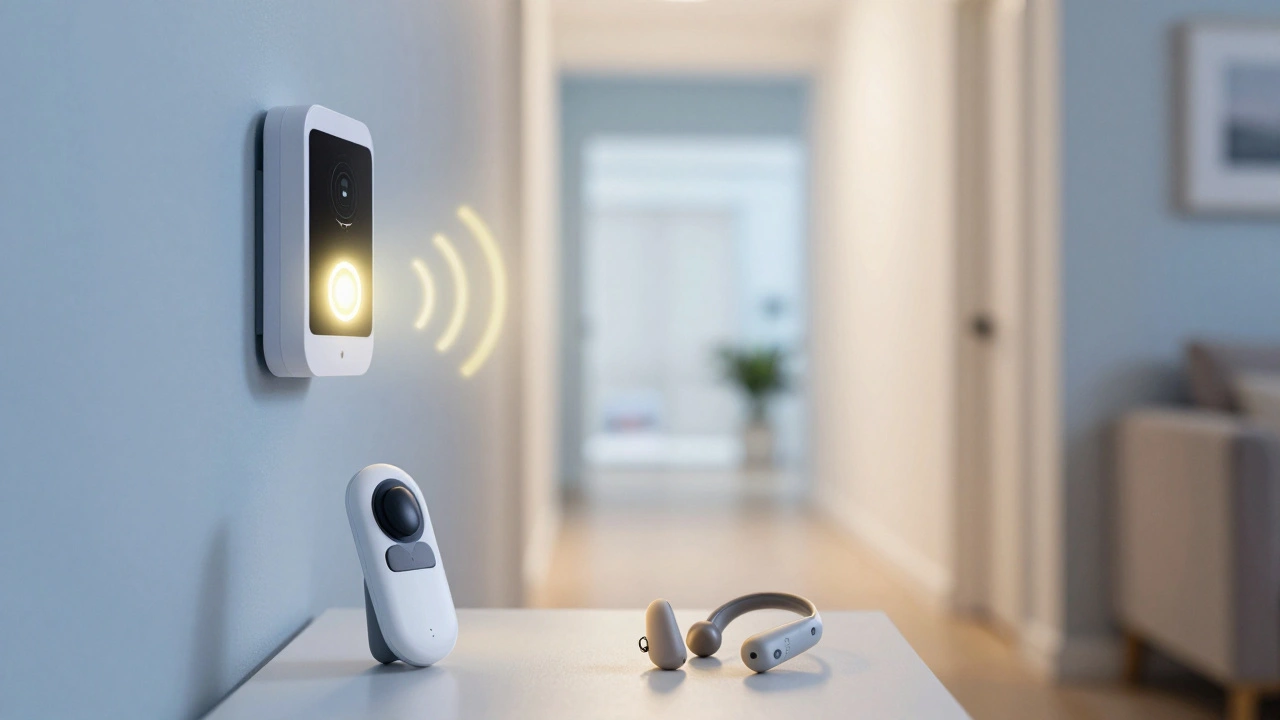
Moreover, smart plugs and lights can be paired with your TV or phone. Imagine a scenario where your front doorbell rings, and instead of just a sound, the hallway lights flash bright white. This visual cue ensures you never miss a visitor, even if you are in the backyard or watching a loud movie. Brands like Ring and Nest offer video doorbells that send notifications to your smartphone, which can then trigger these visual alerts across your smart home ecosystem.
Choosing the Right Setup: A Practical Guide
Selecting the right equipment doesn’t have to be overwhelming. Start by identifying your primary pain points. Is it missing phone calls? Struggling with TV dialogue? Or difficulty hearing in noisy restaurants?
- Assess Your Environment: Do you live in a quiet apartment or a busy house? If it’s noisy, prioritize devices with active noise cancellation or directional microphones.
- Check Compatibility: If you have hearing aids, check if they support M&T (Magnet and Telecoil) programs or Bluetooth streaming. This will dictate whether you need a dedicated amplifier or can stream directly.
- Try Before You Buy: Many medical supply stores and electronics retailers allow you to test amplified phones and TV headsets. Comfort is key, especially for headphones worn for hours.
- Consider Ease of Use: Complex remotes with dozens of buttons can be frustrating. Look for devices with physical knobs for volume and simple, labeled controls.
Remember, the goal is not just to hear louder, but to hear clearer. Investing in quality hearing-friendly tech is an investment in your social life and mental well-being. It reduces the cognitive effort required to understand conversations, leaving more energy for enjoying them.
Do amplified phones work with hearing aids?
Yes, most amplified phones are compatible with hearing aids. Look for phones labeled as "telecoil compatible" or "T-coil." This feature reduces feedback whistling when holding the phone near your hearing aid. Additionally, many modern amplified phones support Bluetooth, allowing you to stream calls directly to your hearing aids if they support it.
Is it better to use Bluetooth headphones or an infrared TV system?
It depends on your needs. Bluetooth headphones offer greater freedom of movement and are easier to set up if your TV supports Bluetooth natively. Infrared systems provide better privacy and zero audio lag, making them ideal for lip-reading synchronization. However, infrared requires you to stay within the line of sight of the transmitter box.
Can I use my existing smartphone as an amplified phone?
You can improve clarity on your existing smartphone by enabling accessibility features. On iOS, go to Settings > Accessibility > Audio/Visual and turn on "Mono Audio" and "Headphone Accommodations." On Android, look for "Hearing Aid Compatibility" in the Sound settings. However, dedicated amplified phones often provide superior hardware-level noise reduction and larger interfaces.
How much do TV listening systems cost?
Prices vary widely. Basic infrared headsets can cost between $50 and $100. Mid-range Bluetooth neckbands range from $100 to $200. High-end systems with multiple receivers and advanced noise cancellation can exceed $300. Consider checking if your health insurance or Medicare Advantage plan covers part of the cost under durable medical equipment benefits.
Will amplified phones distort the sound?
Cheap amplifiers simply turn up the volume, which can cause distortion. Quality amplified phones use frequency-specific boosting to enhance speech clarity without distorting the audio. Look for brands that mention "clear voice technology" or "frequency shaping" in their product descriptions to ensure natural-sounding conversations.