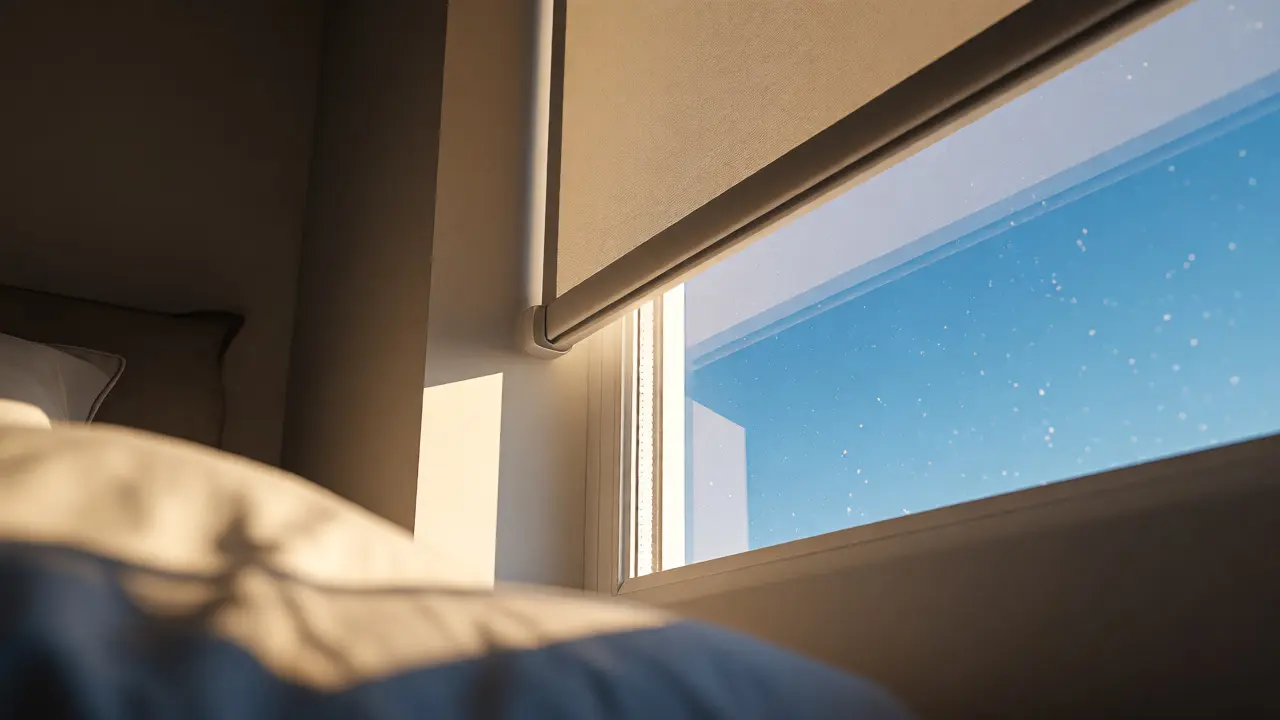
You’re lying in bed at 7:00 AM. The sun is blazing through your bedroom window, hitting you right in the face. You groan, reach for your phone to check the time, and realize you forgot to close the blinds last night. Now you have two choices: drag yourself out of a warm bed to fiddle with cords, or wish you had invested in smart shades that open automatically when you wake up. If you’ve been eyeing those sleek, cordless window coverings but balked at the price tag, you aren’t alone. Motorized blinds used to be a luxury reserved for high-end penthouses and tech billionaires. But as we move into late 2026, the market has exploded. You can now get reliable, app-controlled window treatments for under $100 per window, while premium options still offer buttery-smooth motors and seamless integration with your existing smart home ecosystem.
The problem isn’t finding options; it’s finding the right one for your specific situation. Do you need blackout capabilities for a media room? Are you renting and can’t drill holes in the walls? Or do you just want voice control via Alexa without rewiring your entire house? This guide breaks down the best smart shades and motorized blinds available today, categorized by budget. We’ll look at what actually matters-motor noise, battery life, compatibility, and installation difficulty-so you don’t waste money on features you’ll never use.
What Actually Makes Blinds "Smart"?
Before we talk about prices, let’s clear up a common misconception. Not all motorized blinds are created equal. At its core, a smart shade is a window covering equipped with an electric motor and wireless connectivity. But the magic happens in how they communicate and operate. You generally have three tiers of technology here:
- Basic Motorized: These have a small motor and often come with a remote control. They might lack Wi-Fi or Bluetooth, meaning you can’t control them from your phone when you’re not home. Think of this as the "remote control car" version of blinds.
- Connected Smart Blinds: These connect via Wi-Fi, Zigbee, or Matter. You can schedule them, control them via apps, and integrate them with smart home hubs like Home Assistant or Apple HomeKit. Most modern options fall here.
- Premium Integrated Systems: These are hardwired or use advanced low-power radios (like Thread) for instant response times. They often feature solar charging, ultra-quiet motors, and custom fabric options. Brands like Lutron dominate this space.
When shopping, pay attention to the power source. Battery-operated units (usually using rechargeable lithium-ion packs) are easiest to install because they don’t require electrical outlets near the window. Hardwired units are cleaner looking since there’s no visible battery pack, but they require professional installation or careful DIY wiring. For most renters and homeowners who want a quick upgrade, battery-powered is the way to go.
Budget-Friendly Options (Under $150 Per Window)
If you’re testing the waters or outfitting multiple windows on a tight budget, you don’t need to spend hundreds per unit. The entry-level market has matured significantly, offering solid performance for basic needs. The key trade-off here is usually customization. You’ll likely find standard sizes, limited color choices, and perhaps slightly louder motors. But for controlling light and adding convenience, these work surprisingly well.
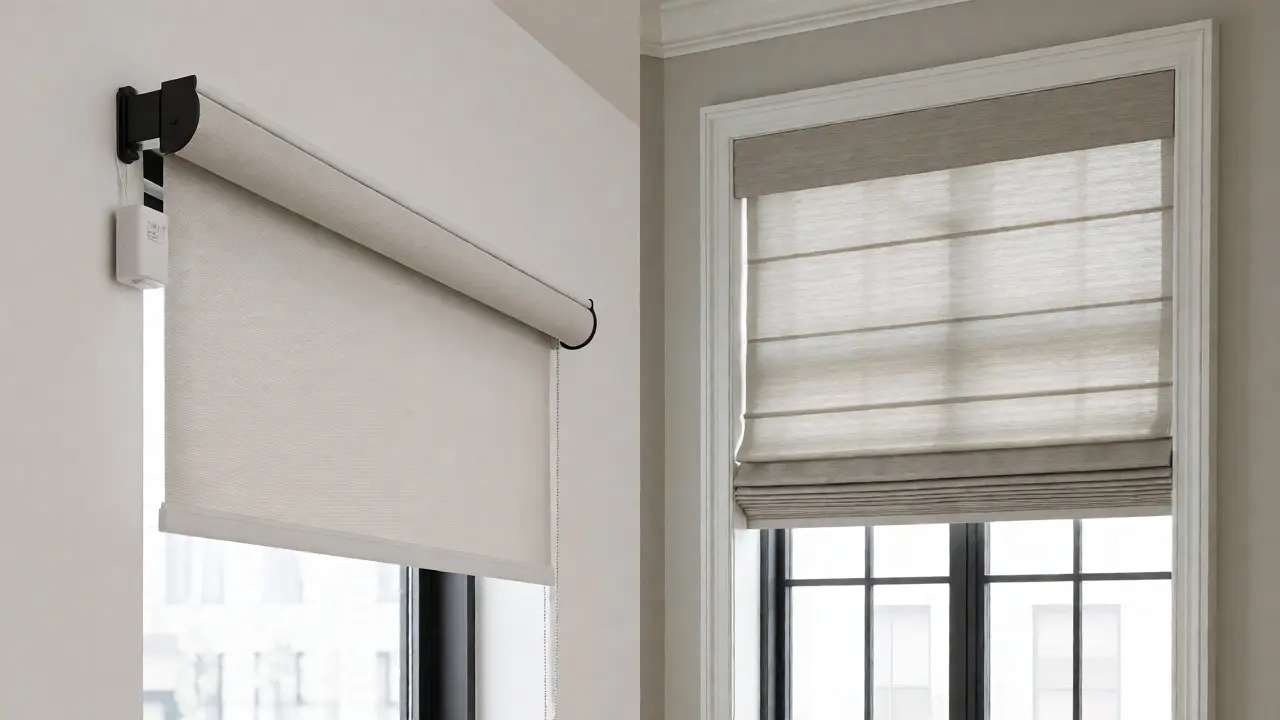
One standout in this category is the Zemismart WiFi Roller Shade. It’s a favorite among DIY enthusiasts because it supports both Wi-Fi and Zigbee protocols. This means if you already have a Zigbee hub (like those from Philips Hue or Samsung SmartThings), these blinds respond instantly without clogging your Wi-Fi network. They cost around $80-$100 depending on size. The installation is straightforward: mount the bracket, snap the shade in, and pair it via the Tuya Smart app. While the app isn’t the prettiest, it gets the job done. You can set schedules, so the shades lower during peak afternoon heat to save on AC costs.
Another great option is the SwitchBot Curtain, which is technically a retrofit kit rather than a full blind system. If you love your current curtains but hate opening them manually, SwitchBot attaches a small motor to your existing curtain rod. It costs about $60-$80 per unit. It uses Bluetooth initially but pairs with a Hub Mini Plus for Wi-Fi control. The advantage? You keep your expensive designer drapes. The downside? It only works with single-track rods and struggles with very heavy velvet curtains. For lightweight linen or cotton curtains, it’s a game-changer.
| Feature | Zemismart Roller | SwitchBot Curtain | Meross Smart Blinds |
|---|---|---|---|
| Avg Price | $90 | $70 | $110 |
| Connectivity | Wi-Fi/Zigbee | Bluetooth/Wi-Fi (with Hub) | Wi-Fi |
| Power Source | Rechargeable Battery | Rechargeable Battery | USB Powered/Battery |
| Best For | Renters & Multi-window setups | Curtain owners | Small bedrooms |
Mid-Range Sweet Spot (0 - 0 Per Window)
This is where things get interesting. In the mid-range, you start seeing better build quality, quieter motors, and more robust ecosystems. You’re no longer dealing with generic "Tuya" apps; instead, you’re buying into established brands with dedicated support and better software updates. If you care about aesthetics and reliability, this is the zone to shop in.
The Level Home Smart Blinds have carved out a strong niche here. Level offers a sleek, minimalist design that blends into modern interiors. Their blinds use a proprietary mesh network called Level Mesh, which ensures fast communication between devices even if your Wi-Fi goes down. A typical roller shade runs about $250-$350. What makes them stand out is the integration with major platforms like Amazon Alexa, Google Home, and Apple HomeKit. The setup process is guided via their app, and the motors are whisper-quiet. You won’t hear them operating unless you’re standing directly next to them.
For those who prefer cellular shades (which offer better insulation), Sonya Smart Cellular Shades are a top contender. Sonya specializes in energy-efficient window treatments. Their motorized cellular shades can reduce heat gain by up to 60% compared to traditional blinds. Priced around $300-$400 per window, they include a built-in battery pack that lasts 6-12 months on a single charge. The app allows for granular control, letting you tilt the slats independently of raising/lowering the shade. This level of control is crucial for rooms where you want privacy but still want natural light.
It’s worth noting that mid-range options often require precise measurements. Unlike cheap blinds that fit loosely, these systems need exact width and height dimensions. Measure twice, order once. Most companies provide detailed guides, but if you’re unsure, many offer sample kits for $10-$20 so you can test the fabric and mechanism before committing.
Premium Luxury & Professional Grade ($400+ Per Window)
If budget is less of a concern and you want the absolute best performance, durability, and integration, you look toward the premium tier. Here, you’re paying for engineering excellence, custom fabrics, and seamless whole-home automation. These systems are often installed by professionals and can be tied into complex scenes like "Movie Night" or "Good Morning."
Lutron Serena Smart Blinds are widely considered the gold standard in residential automation. Lutron doesn’t just sell blinds; they sell an ecosystem. The Serena line integrates flawlessly with Lutron Caséta lighting controls. Imagine walking into your living room, and as you dim the lights, the blinds automatically adjust to reduce glare on the TV screen. That’s the level of coordination Lutron provides. Prices start around $450 and can easily exceed $1,000 per window depending on fabric choice and size. The motors are incredibly quiet, and the hardware feels substantial, not plasticky.
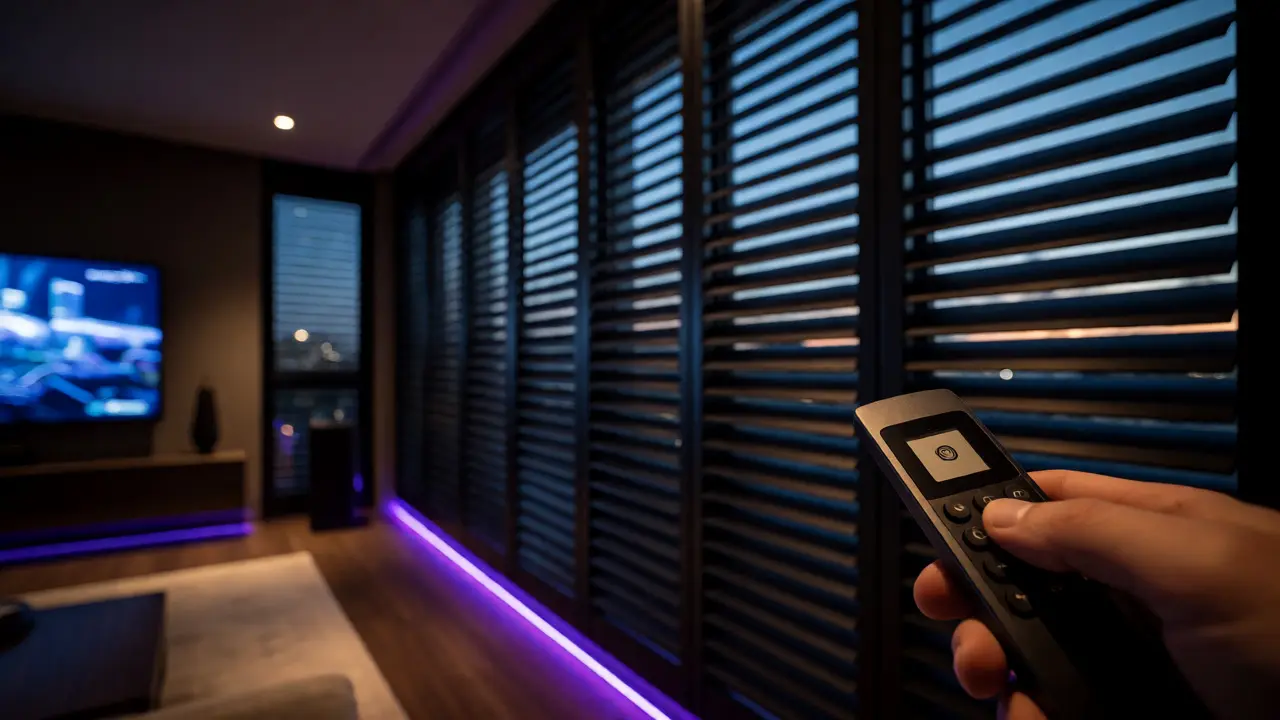
Another heavyweight is Hunter Douglas PowerView. Hunter Douglas offers a wider variety of style options, including plantation shutters and vertical blinds, which Lutron focuses less on. PowerView uses Pebble remotes and the PowerView App, which is highly intuitive. One cool feature is "Scene Creator," allowing you to save multiple positions for each blind. For example, your kitchen blinds could have a "Cooking" scene (fully open for light) and a "Dinner" scene (half-closed for ambiance). While pricier than mid-range options, the longevity and resale value of Hunter Douglas products justify the investment for many homeowners.
Installation & Compatibility Pitfalls
Buying the blinds is half the battle. Installing them and getting them to play nice with your other devices is the other half. Many people underestimate the complexity of mounting brackets. If you’re installing inside-mount blinds (inside the window frame), you need enough depth. Standard frames are often too shallow for motorized heads. Check the minimum depth requirement-usually around 1.5 inches-for the specific model you choose.
Connectivity issues are another common headache. If you buy Wi-Fi blinds, ensure your router signal reaches every window. Thick walls and metal blinds can interfere with signals. Zigbee or Z-Wave networks are more reliable for large homes because they create a mesh network. Each device acts as a repeater, strengthening the signal across the house. If you’re deep into the Apple ecosystem, prioritize Matter-compatible devices or native HomeKit support to avoid bridge hassles.
Finally, consider maintenance. Battery-operated blinds need recharging. Set a calendar reminder every 6 months to swap out or charge the packs. Some users forget this, leading to blinds that stop working mid-day. Premium models often send push notifications when battery levels drop below 20%, saving you from manual tracking.
Making the Right Choice for Your Lifestyle
So, which budget bucket fits you? If you’re a renter or student wanting to automate one or two windows cheaply, stick with Zemismart or SwitchBot. The upfront cost is low, and you can take them with you when you move. If you’re a homeowner looking to improve energy efficiency and add a touch of modern convenience, the mid-range Level Home or Sonya options offer the best balance of price and performance. They look good, work reliably, and integrate well with standard smart home assistants.
For those building a new home or renovating extensively, investing in Lutron or Hunter Douglas pays off in long-term satisfaction and property value. The ability to sync blinds with lighting and HVAC creates a cohesive, high-tech environment that feels effortless. Whatever you choose, start small. Buy one set for your bedroom or living room. Test the app, check the noise level, and see if you actually use the scheduling features. Once you’re hooked, expanding to other windows becomes an exciting project rather than a chore.
Do smart blinds work without Wi-Fi?
Yes, most smart blinds have a local remote control or button on the headrail that works without Wi-Fi. However, you lose app control, scheduling, and voice assistant integration until connectivity is restored. Some Zigbee-based blinds will continue to function within their local mesh network even if your internet goes down, provided your hub is still powered.
How long do batteries last in motorized blinds?
Battery life varies significantly based on usage frequency and brand. Typically, rechargeable lithium-ion batteries last between 6 to 12 months on a single charge for average daily use (opening and closing once or twice a day). Heavy usage or frequent partial adjustments drains them faster. Premium models may offer solar charging strips to extend life indefinitely in sunny climates.
Can I convert my existing blinds to smart ones?
Yes, retrofit kits like SwitchBot Curtain or Motionblinds Retrofit allow you to attach a motor to existing roller shades or curtains. However, conversion kits for venetian blinds or cellular shades are rarer and often less reliable. For the best experience, replacing the entire headrail with a motorized version is recommended over retrofitting.
Are smart blinds noisy?
Modern motors are designed to be quiet, typically operating at 30-40 decibels, which is comparable to a soft whisper. Budget models may emit a slight hum or click, especially at startup. Premium brands like Lutron and Hunter Douglas use high-quality stepper motors that are virtually silent, making them suitable for bedrooms and home theaters.
What happens if the power goes out?
If your blinds are battery-operated, they will continue to work normally. If they are hardwired, they will stop moving unless they have a backup battery. Most hardwired smart blinds retain their last position during a power outage and resume operation when power returns. You can usually manually adjust them by gently pulling the fabric if needed.