Most people assume that learning to be a tech concierge means reading manuals or watching YouTube tutorials. But the reality is much messier. You don't learn how to calm down a panicked CEO whose smart lock just stopped working by memorizing protocol codes. You learn it by standing next to someone who has done it a hundred times before. This is where shadowing and structured apprenticeships come in. They are not just "nice-to-have" training methods; they are the primary engine for building competent, confident tech support staff in high-stakes environments.
If you are hiring for a tech concierge role, or if you are looking to break into this field, understanding how these two distinct but related training models work is critical. One is observational; the other is participatory. Mixing them up leads to slow onboarding and frustrated clients. Getting them right builds a team that can handle anything from Wi-Fi dropouts to enterprise server migrations without breaking a sweat.
What Actually Is Tech Concierge Shadowing?
Tech Concierge Shadowing is a passive observational training method where a trainee follows an experienced technician through their daily workflow without taking direct action. Think of it as being a fly on the wall, except the wall is a client's home or office, and the fly is trying to absorb every nuance of professional service delivery.
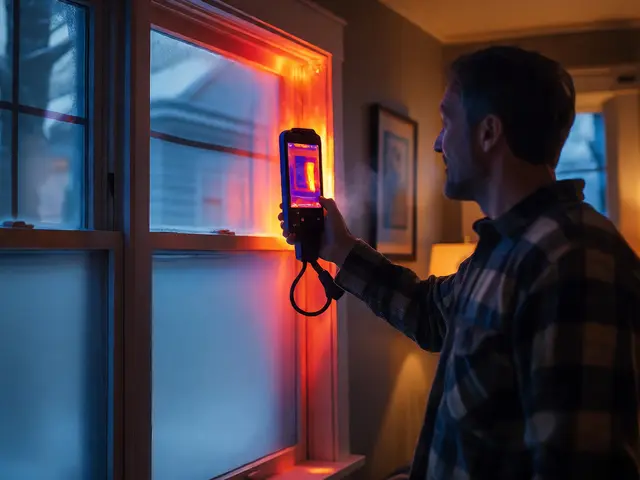
In this phase, the trainee’s job is to watch, listen, and take notes. They see how the senior technician introduces themselves, how they assess the environment (is the router overheating? is the cabling messy?), and how they communicate with the client. The key here is non-intervention. If the trainee jumps in too early, they disrupt the flow and often make things worse. The goal is pattern recognition. After three or four days of shadowing, a trainee starts to see the "shape" of a problem before it fully manifests. They notice that when a client complains about "slow internet," the senior tech always checks the channel congestion first, not the speed test. That specific heuristic is invisible in a textbook but obvious in practice.
The Role of Structured Apprenticeships
Once the trainee has absorbed the patterns through shadowing, the process shifts to an Apprenticeship, which is a hands-on learning model where the trainee performs tasks under direct supervision and feedback. This is where the rubber meets the road. The dynamic changes from "watch me" to "do it, and I'll fix it if you get it wrong."
An apprenticeship in tech concierge work is different from a standard internship because it implies a master-apprentice relationship. The senior technician acts as a mentor, guiding the trainee through increasing levels of complexity. For example, week one might involve simple password resets and device pairing. Week two could include diagnosing mesh network dead zones. By month two, the trainee might lead a small troubleshooting session while the mentor stands by, ready to step in only if necessary. This graduated responsibility builds confidence incrementally, reducing the shock of handling live client issues alone.
Comparing Shadowing vs. Apprenticeship Models
It is easy to confuse these two approaches, but they serve different purposes at different stages of development. Using shadowing for too long stalls progress. Jumping straight into apprenticeship without foundational observation leads to errors and client anxiety. Here is how they stack up against each other:
| Feature | Shadowing | Apprenticeship |
|---|---|---|
| Primary Activity | Observation and note-taking | Hands-on execution with oversight |
| Trainee Role | Passive learner | Active participant |
| Risk Level | Low (no client impact) | Medium (potential for error) |
| Best For | Learning protocols and soft skills | Building technical muscle memory |
| Typical Duration | 1-3 days per scenario type | 4-12 weeks depending on complexity |
| Mentor Focus | Demonstration and explanation | Feedback and correction |

Key Competencies Developed Through Observation
Before touching a screwdriver or opening a diagnostic app, a tech concierge needs to master the art of presence. Shadowing is the fastest way to learn these intangible skills. First, there is environmental scanning. A good tech doesn't just look at the broken device; they look at the room. Are there metal shelves blocking signal? Is the outlet overloaded? Watching a senior tech spot these issues instantly teaches the trainee to widen their visual field.
Second is client communication. Tech concierges often deal with non-technical users who are stressed. How does the senior tech explain "latency" to a grandmother? Do they use analogies? Do they check for understanding after every sentence? These micro-interactions are hard to codify in a manual. Seeing them repeatedly allows the trainee to mimic the tone and pacing that de-escalate tension.
Finally, there is workflow efficiency. Senior technicians have developed shortcuts. They know which tools to grab first, which settings to check last, and how to package their kit so they aren't digging around for a cable tester. Shadowing reveals these hidden efficiencies that save time and money on every single job.
Building Technical Proficiency Step-by-Step
When moving from shadowing to apprenticeship, the curriculum should follow a logical progression of difficulty. Skipping steps here is the most common mistake in tech training programs. Here is a typical progression path for a new tech concierge:
- Basic Diagnostics: The trainee learns to run standard speed tests, check IP configurations, and identify hardware failures. The mentor verifies every result.
- Network Configuration: The trainee handles Wi-Fi channel optimization, firmware updates, and basic router settings. The mentor reviews the logs afterward.
- Smart Home Integration: The trainee manages devices like locks, thermostats, and cameras. They learn the quirks of different ecosystems (e.g., Apple HomeKit vs. Google Home).
- Complex Troubleshooting: The trainee leads the diagnosis for multi-device issues, such as intermittent connectivity across a large property. The mentor intervenes only if the trainee is stuck for more than five minutes.
- Client Management: The trainee takes full ownership of the client interaction, including explaining the issue, proposing solutions, and documenting the visit. The mentor observes silently unless asked.
This structure ensures that the trainee never feels overwhelmed. Each step builds on the previous one, creating a solid foundation of competence before adding complexity.

Common Pitfalls to Avoid in Training
Even well-intentioned training programs fail if they ignore human factors. One major pitfall is information overload. Dumping a 50-page manual on a new hire on day one guarantees they will retain nothing. Instead, provide context-specific knowledge. Teach them what they need for today's job, and let tomorrow's challenges bring in new concepts.
Another issue is lack of feedback loops. In an apprenticeship, the mentor must provide immediate, specific feedback. Saying "good job" is useless. Saying "you checked the power light, but you missed the activity LED, which would have saved ten minutes" is valuable. Without this precise feedback, the trainee repeats mistakes without realizing why they failed.
Finally, avoid inconsistent standards. If one mentor is strict about documentation and another is lax, the trainee gets confused. Establish clear company-wide standards for how jobs are documented, how clients are greeted, and how tools are maintained. Consistency reduces cognitive load and allows the trainee to focus on the technical problem rather than wondering what the "right" way is.
Measuring Success in Tech Concierge Training
How do you know if the shadowing and apprenticeship are working? You need metrics that go beyond "they finished the course." Look at time-to-resolution. Does the trainee solve standard issues faster over time? Track first-time-fix rate. Are they fixing the problem correctly on the first visit, or are clients calling back? Monitor client satisfaction scores. Are clients rating the trainee’s professionalism and communication highly?
Also, watch for confidence indicators. A well-trained tech concierge asks fewer clarifying questions and makes decisions more quickly. If a trainee is still hesitating on basic tasks after eight weeks, the training program may need adjustment. Regular check-ins between the trainee, mentor, and manager help catch these issues early. The goal is to create a self-sufficient professional who can handle the unpredictable nature of tech support with grace and precision.
How long should a tech concierge shadow before starting hands-on work?
Generally, 3 to 5 days of intensive shadowing is sufficient to grasp the basic workflows and communication styles. However, this depends on the complexity of the services offered. If the role involves complex enterprise systems, extend the shadowing period to ensure the trainee understands the underlying architecture before touching any equipment.
What is the difference between a mentor and a supervisor in an apprenticeship?
A supervisor manages performance, schedules, and compliance. A mentor focuses on skill transfer, coaching, and personal development. In an effective tech concierge apprenticeship, the mentor is often a senior technician who spends significant time on-site with the trainee, providing real-time guidance, whereas the supervisor may only review reports later.
Can remote shadowing replace on-site observation?
Remote shadowing via video calls can supplement on-site training but rarely replaces it entirely. Tech concierge work involves physical interactions, such as checking cable connections or observing environmental factors, which are hard to convey through a camera. On-site presence is crucial for learning the tactile and spatial aspects of the job.
How do you handle a trainee who struggles with technical concepts?
Identify whether the issue is a knowledge gap or a confidence issue. If it's knowledge, simplify the explanations and use more analogies. If it's confidence, increase low-risk hands-on opportunities to build success experiences. Sometimes, pairing the struggling trainee with a peer who has similar interests can also help them feel less isolated in their learning curve.
What tools are essential for a tech concierge during an apprenticeship?
Essential tools include a network analyzer (like NetSpot or Ekahau), a multimeter for basic electrical checks, a set of crimpers and testers for cabling, and a comprehensive toolkit for hardware adjustments. Additionally, digital tools like ticketing systems and remote access software are critical for documenting work and managing client expectations.