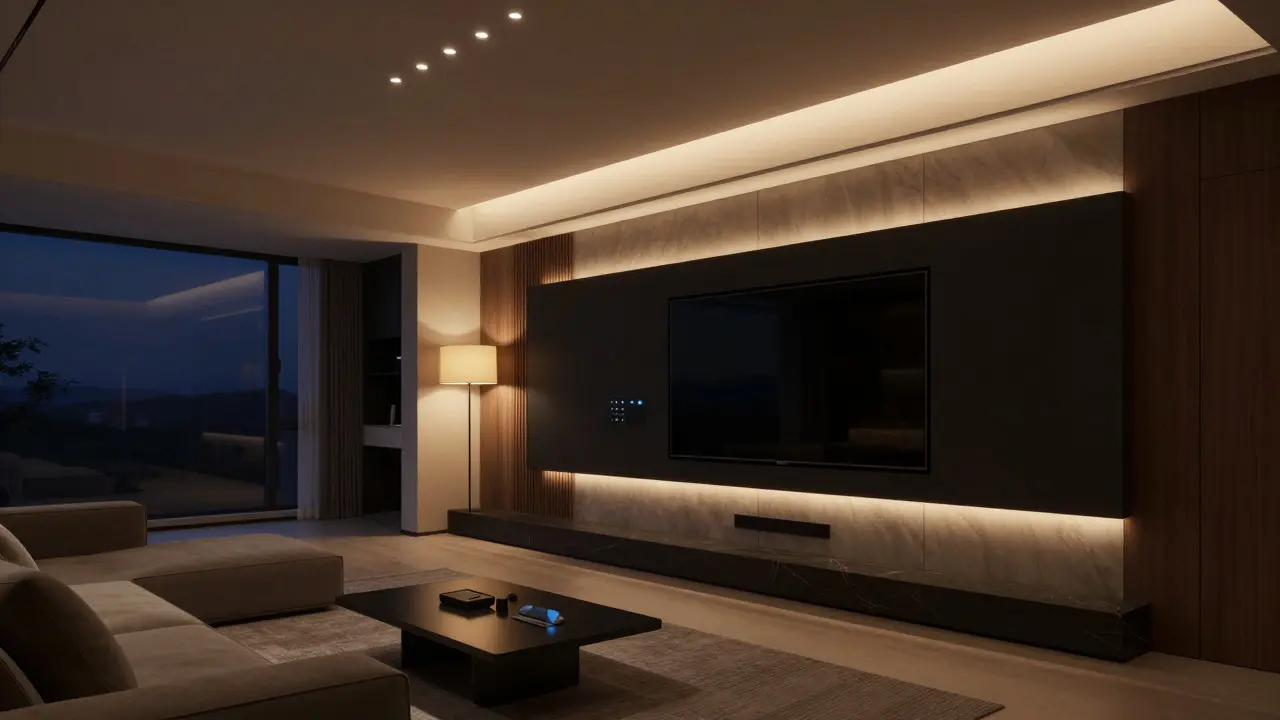
Walking into a luxury home in Portland or anywhere else, you notice the lights dim smoothly before you even reach the switch. The thermostat adjusts to your body heat, not just the room temperature. This isn't magic; it's Premium Smart Home systems working behind the scenes. Unlike cheap plug-in bulbs that lag by two seconds, high-end brands prioritize reliability, seamless integration, and professional-grade hardware. If you are considering upgrading from a basic setup to a full-scale intelligent environment, understanding the differences between top-tier manufacturers is crucial. You don't want to buy expensive gear that acts like a toy three months later.
The market for high-end options is crowded with marketing buzzwords, but performance tells the real story. We look at response times, system stability, and long-term support. Whether you are building a new estate or retrofitting an existing property, choosing the right ecosystem determines whether your home feels intuitive or frustrating. Let’s break down the heavy hitters and what actually makes them worth the price tag.
Key Takeaways
- Lutron Caséta leads in lighting control reliability with sub-second response times and no Wi-Fi dependency.
- Control4 offers the best all-in-one platform for audio, video, and security integration in residential settings.
- Crestron dominates commercial and ultra-high-net-worth residential markets with modular, scalable architecture.
- Wi-Fi based systems suffer from latency spikes; premium brands use dedicated RF or Ethernet backbones for consistent performance.
- Professional installation is non-negotiable for complex setups to ensure proper network segmentation and device mapping.
Defining Premium: What Sets High-End Apart?
Many consumers confuse "smart" with "premium." A $15 smart bulb is smart, but is it premium? Not really. Premium smart home technology refers to integrated systems designed for whole-home coverage, featuring industrial-grade components, low-latency communication protocols, and centralized management interfaces. These systems typically avoid consumer-grade cloud dependencies for critical functions. Instead, they rely on local processing power within the hub or controller. This distinction matters because when your internet goes down, a premium system keeps your lights on and your doors locked. A basic system might turn into a dumb house overnight.
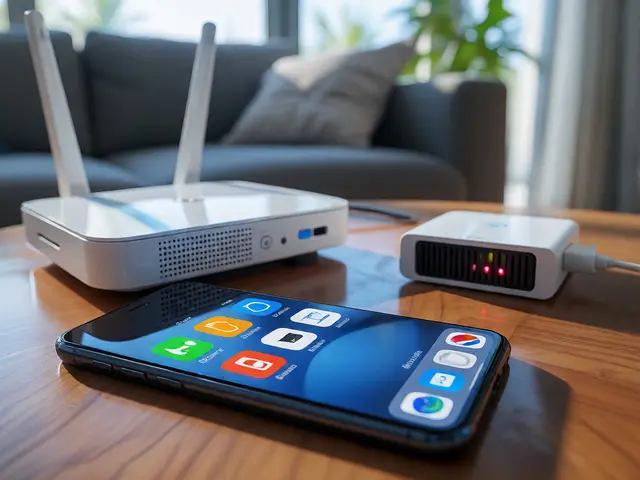
The core difference lies in the communication protocol. Consumer devices often fight over congested 2.4 GHz Wi-Fi bands. In contrast, brands like Lutron use Clear Connect RF technology, which operates on multiple frequencies simultaneously to prevent signal interference. This means if one channel gets blocked by a microwave or neighboring router, the signal automatically shifts to a clear path. For a household with 200+ connected devices, this redundancy is the difference between a smooth experience and constant troubleshooting.
Top Contenders: Lutron, Control4, and Crestron
When discussing the elite tier of home automation, three names consistently rise above the rest: Lutron, Control4, and Crestron. Each has a distinct philosophy and target user base. Understanding their strengths helps you match the system to your lifestyle needs rather than just your budget.
Lutron is the gold standard for lighting and shading control. Founded in 1963, the company focuses exclusively on light management. Their flagship product line, Caséta, allows users to control up to 8 zones per pod without needing a central hub for basic operations. This decentralized approach ensures that even if the main processor fails, individual rooms remain controllable via wall panels. Lutron’s strength is simplicity and rock-solid reliability. It doesn’t try to be everything; it does lighting perfectly.
Control4 takes a different approach by offering a comprehensive ecosystem. Acquired by Schneider Electric, Control4 integrates audio, video, HVAC, security, and lighting into a single interface. Their processors handle hundreds of commands per second with minimal lag. For homeowners who want a unified remote or app experience where one button can start a movie night-dimming lights, closing shades, and powering on the projector-Control4 is often the preferred choice. It balances complexity with user-friendly design, making it accessible for tech-savvy homeowners without requiring enterprise-level IT knowledge.
Crestron is the heavyweight champion of the industry. Originally built for corporate boardrooms and hotels, Crestron brings enterprise-grade robustness to the home. Their systems are highly modular, allowing integrators to build custom solutions using specific processors, touchscreens, and sensors. While more complex to install and maintain, Crestron offers unparalleled scalability. If you plan to expand your home or add complex media servers in the future, Crestron’s architecture handles the load better than any competitor. However, the learning curve is steeper, and initial costs are significantly higher due to the need for specialized programming.
| Brand | Primary Strength | Communication Protocol | Typical Use Case | Installation Complexity |
|---|---|---|---|---|
| Lutron | Lighting & Shades Reliability | Clear Connect RF / Ethernet | Whole-home lighting control | Medium (DIY friendly for basic) |
| Control4 | All-in-One Integration | Ethernet / Wi-Fi / Z-Wave | Unified AV, Security, Climate | High (Pro Install Recommended) |
| Crestron | Scalability & Customization | Ethernet / RS-232 / IP | Ultra-Luxury & Commercial Hybrid | Very High (Specialist Required) |
Performance Metrics That Matter
Marketing brochures rarely mention latency, but it is the first thing you notice in daily use. Latency refers to the time between pressing a button and seeing the result. In a premium system, this should be under 100 milliseconds. Anything over 200 milliseconds feels sluggish. Lutron achieves near-instant response because its signals travel directly from the wall panel to the dimmer module without bouncing through a cloud server. This local processing is key for high-performance environments.
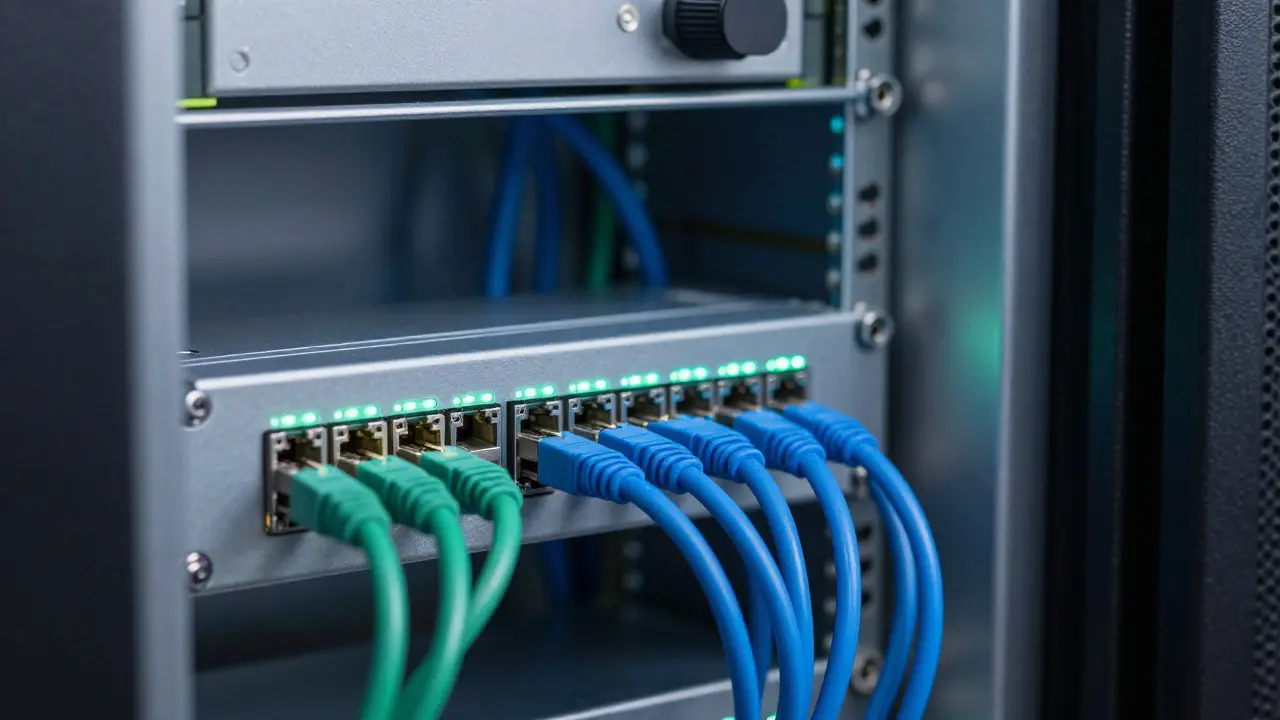
Beyond speed, we must consider throughput. How many devices can the system handle before it starts dropping packets? A typical home might have 50-100 smart devices. A luxury estate could easily exceed 500. Standard Wi-Fi hubs struggle past 30-40 devices due to bandwidth congestion. Premium systems use dedicated Ethernet backbone networks for critical components like projectors, amplifiers, and security cameras. This separation ensures that streaming 4K video in the living room doesn’t slow down the doorbell camera feed in the garage.
Another critical metric is uptime. Enterprise-grade hardware is tested for continuous operation over years. Consumer electronics are often designed for intermittent use. If you leave your AC running 24/7, a consumer-grade smart thermostat might reboot unexpectedly after six months. Premium controllers, such as those from Crestron, are rated for 24/7 operation with redundant power supplies, ensuring your climate stays comfortable even during minor electrical fluctuations.
Integration Ecosystems and Compatibility
A smart home is only as good as its weakest link. If your premium lighting system cannot talk to your mid-range audio system, you have two separate problems, not one solution. This is where open standards matter. Most premium brands now support Matter, the new connectivity standard backed by Apple, Google, Amazon, and Samsung. Matter simplifies interoperability by creating a common language for devices. However, legacy systems still rely on proprietary protocols like Zigbee, Z-Wave, and KNX.
KNX is a European standard gaining traction in North America for high-end builds. It is wire-based, meaning every sensor and actuator connects via physical cables. This eliminates wireless interference entirely but requires significant upfront wiring work. For new construction projects, KNX offers the highest level of permanence and reliability. For retrofits, wireless solutions from Lutron and Control4 offer faster deployment with slightly lower theoretical maximum reliability, though in practice, the difference is negligible for most users.
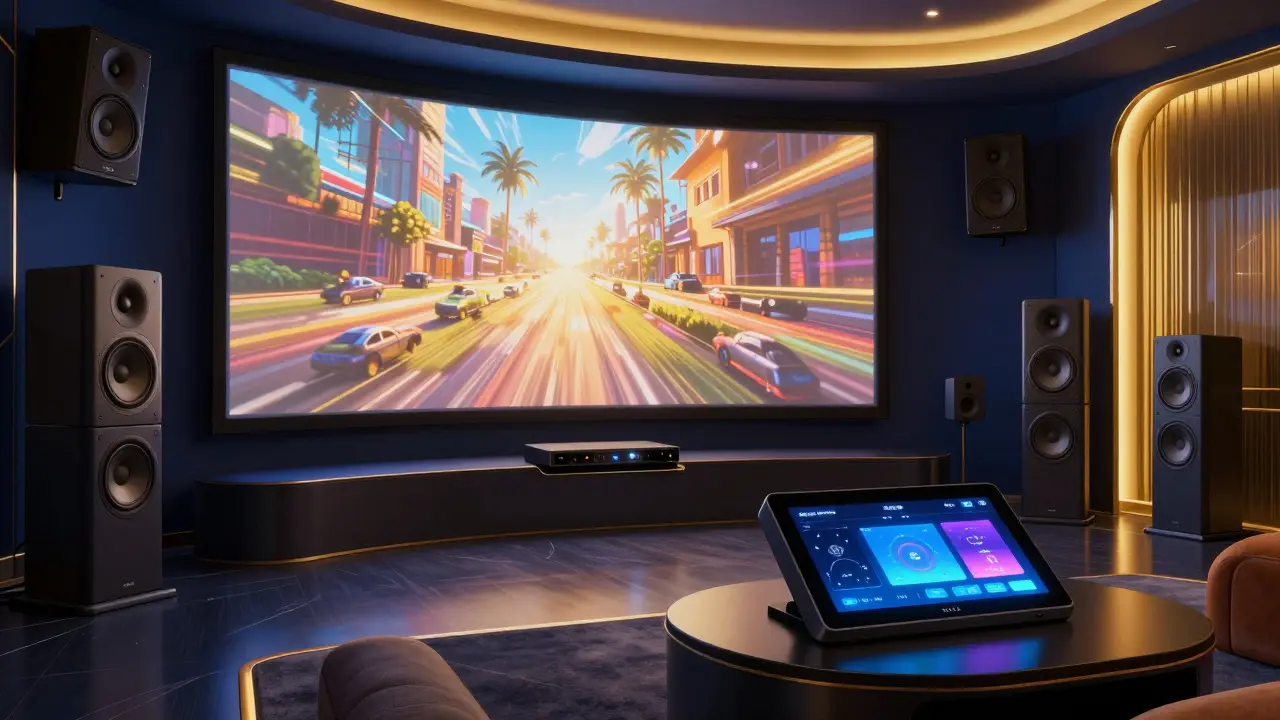
Audio integration is another major factor. High-end homes often feature multi-room audio systems from brands like Sonos, Bang & Olufsen, or Bowers & Wilkins. Integrating these with a central control system requires careful configuration. Control4 excels here, providing native drivers for most major audio brands. This means you can adjust volume, change sources, and manage playlists from a single touchscreen in the hallway. Without proper integration, you end up juggling five different apps, defeating the purpose of a unified smart home.
Cost Considerations and Value Proposition
Let’s talk numbers, because premium comes with a price tag. A basic smart home setup with a few plugs and bulbs might cost $500-$1,000. A premium whole-home system can range from $15,000 to over $100,000 depending on square footage and complexity. Is it worth it? For many, yes, but the value depends on how you use your home.
If you spend most of your time away from home, a basic security and thermostat system might suffice. But if you host frequently, enjoy immersive media experiences, or value convenience in daily routines, the premium investment pays off in reduced friction. Think of it as buying a reliable car versus a rental. The rental gets you there, but the reliable car gives you confidence, comfort, and longevity. Similarly, a premium smart home reduces the mental load of managing technology. You set it up once, and it just works, year after year.
Don’t forget maintenance costs. Premium systems often come with service plans that include annual check-ups, firmware updates, and priority support. This can cost $500-$1,500 per year. Compare this to the cost of replacing failed consumer devices every two years. Over a decade, the total cost of ownership for a well-maintained premium system can be comparable to or lower than repeatedly buying and discarding cheaper alternatives.
Choosing the Right Partner for Installation
Even the best hardware fails without proper installation. This is where the importance of certified integrators cannot be overstated. Look for companies with certifications from the specific brand you choose. For example, Lutron Certified Designers have undergone rigorous training on their products. They understand the nuances of wiring, network planning, and user interface design. A generic electrician might install the dimmers, but they may not configure the scenes correctly or optimize the network for future expansion.
During the consultation phase, ask potential integrators about their post-installation support. Do they provide a training session? How quickly do they respond to tickets? What happens if a component fails after the warranty period? These questions reveal the quality of service you can expect. A reputable firm will treat your home as a long-term partnership, not a one-time transaction. They should offer transparent pricing, detailed scope of work documents, and references from similar projects in your area.
Frequently Asked Questions
Is a premium smart home system worth the cost for an average-sized home?
It depends on your usage patterns. If you rely heavily on automated lighting, multi-room audio, and integrated security, the improved reliability and convenience justify the cost. For minimal usage, a hybrid approach with premium lighting and basic smart thermostats may offer better value.
Can I upgrade my existing smart home to a premium system gradually?
Yes, most premium systems are modular. You can start with lighting control in the main living areas and expand to other zones later. Ensure your initial network infrastructure supports future additions by running sufficient Ethernet cabling during the first phase.
What is the difference between Lutron and Control4?
Lutron specializes in lighting and shades with exceptional reliability and simple controls. Control4 offers a broader ecosystem integrating audio, video, HVAC, and security into a single platform. Choose Lutron if lighting is your primary focus; choose Control4 if you want a unified command center for all home systems.
Do premium smart home systems require professional installation?
While some entry-level premium products allow DIY setup, complex whole-home systems strongly recommend professional installation. Proper network segmentation, device mapping, and scene programming require expertise to ensure optimal performance and minimize troubleshooting issues.
How does Matter affect premium smart home choices?
Matter improves interoperability between different brands, reducing lock-in. However, premium brands often retain proprietary features that go beyond Matter specifications. As you adopt Matter-compatible devices, ensure they integrate seamlessly with your existing premium controller to avoid losing advanced functionalities.