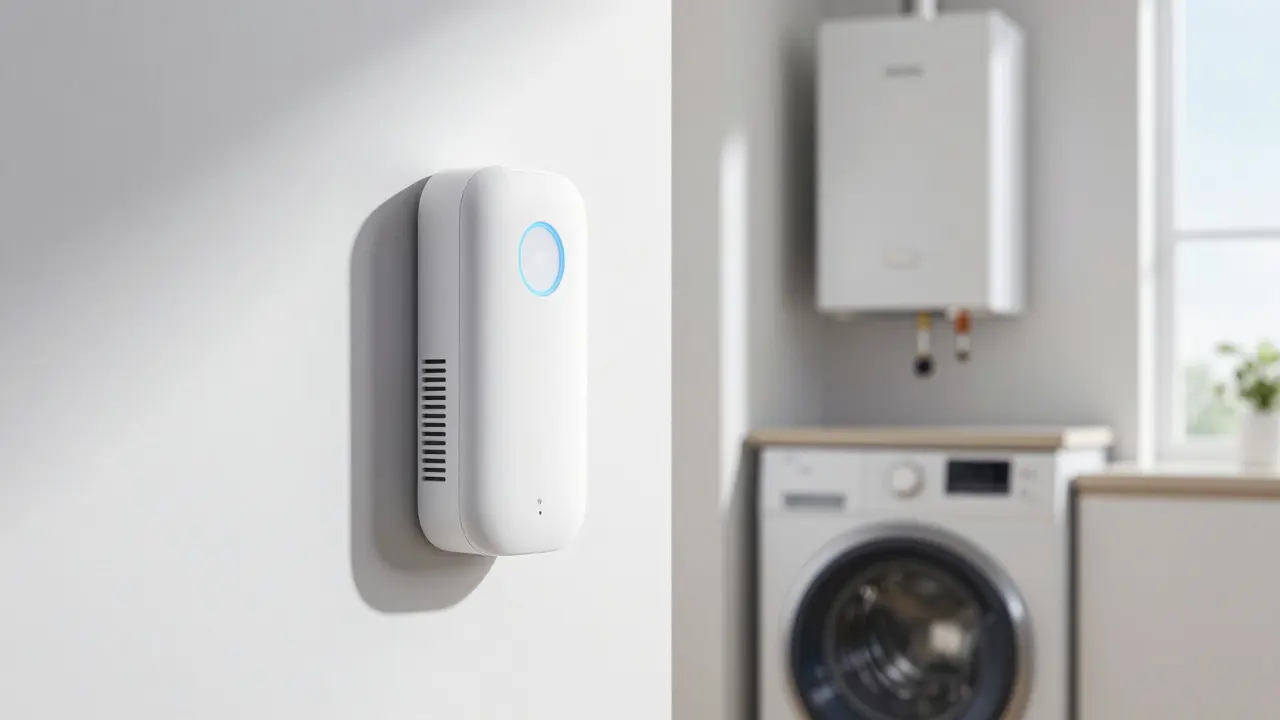
Imagine waking up to the smell of mildew in your hallway. You pull back the carpet and find a slow drip from the washing machine hose that has been leaking for three days. By the time you fix it, you’ve paid for water damage repair and lost sleep. This is exactly what Predictive HVAC and Water Leak Prevention aims to stop before it starts. Instead of waiting for a breakdown or a flood, modern systems use data to warn you while there is still time to act.
The core idea is simple: machines fail gradually, not suddenly. An air conditioner compressor doesn’t just die; it struggles first. A pipe doesn’t burst without warning; pressure builds or insulation degrades over months. Artificial Intelligence (AI) analyzes these subtle shifts in real-time, turning raw sensor data into actionable alerts. For homeowners and facility managers alike, this shift from reactive repairs to proactive care saves money, energy, and headaches.
How Predictive Maintenance Works in Your Home
Predictive Maintenance is a strategy that uses sensor data and AI algorithms to forecast equipment failures before they occur. In a traditional setup, you only know something is wrong when performance drops noticeably. For example, you notice your heating bill spikes because the furnace is running inefficiently. By then, the problem might be a clogged filter, a failing blower motor, or worse, a cracked heat exchanger.
With predictive systems, IoT (Internet of Things) sensors monitor key metrics continuously. For an HVAC unit, these include vibration levels, electrical current draw, and airflow velocity. When the AI model detects a deviation from the normal baseline-like a slight increase in vibration frequency-it flags a potential bearing issue. This allows you to schedule a minor repair during a convenient weekend visit rather than facing an emergency service call at 2 AM in January.
- Vibration Analysis: Detects mechanical wear in fans and compressors.
- Thermal Imaging: Identifies hot spots indicating electrical faults or refrigerant leaks.
- Airflow Monitoring: Ensures ducts are clear and filters are not overly restrictive.
The Hidden Cost of Water Leaks
Water damage is often more expensive than HVAC failures because it spreads silently. The Insurance Institute for Business & Home Safety notes that water leakage is one of the top causes of residential insurance claims. Most leaks start small-a loose connection under a sink, a failing water heater tank, or a compromised supply line behind a wall.
Traditional leak detection relies on humidity sensors placed near high-risk areas. However, these often trigger only after significant moisture has accumulated. AI-enhanced water leak prevention goes further by analyzing flow rates and pressure patterns. If your home’s main water meter shows unusual usage at 3 AM when no one is using water, the system can infer a slow leak. It cross-references this with local temperature data to rule out outdoor irrigation issues, pinpointing the likely source inside the structure.
| Metric | Reactive Approach | Predictive AI Approach |
|---|---|---|
| Detection Time | After failure/damage occurs | Days to weeks before failure |
| Repair Complexity | High (emergency labor + parts) | Low (scheduled minor fix) |
| Secondary Damage Risk | High (mold, structural rot) | Negligible |
| Annual Energy Savings | 0-5% | 10-20% (via optimized runtime) |
Sensor Technology and Data Integration
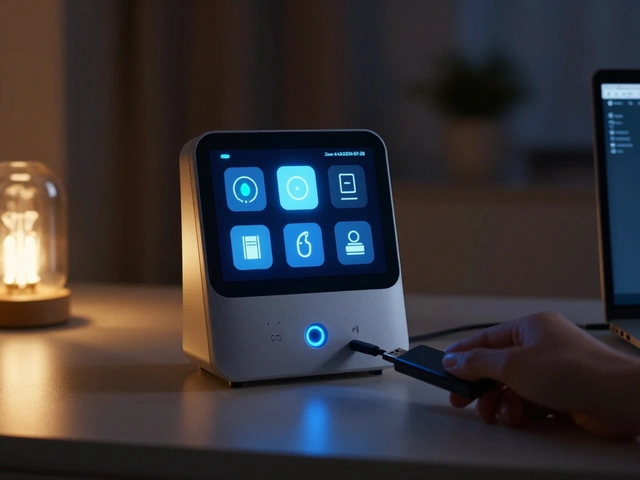
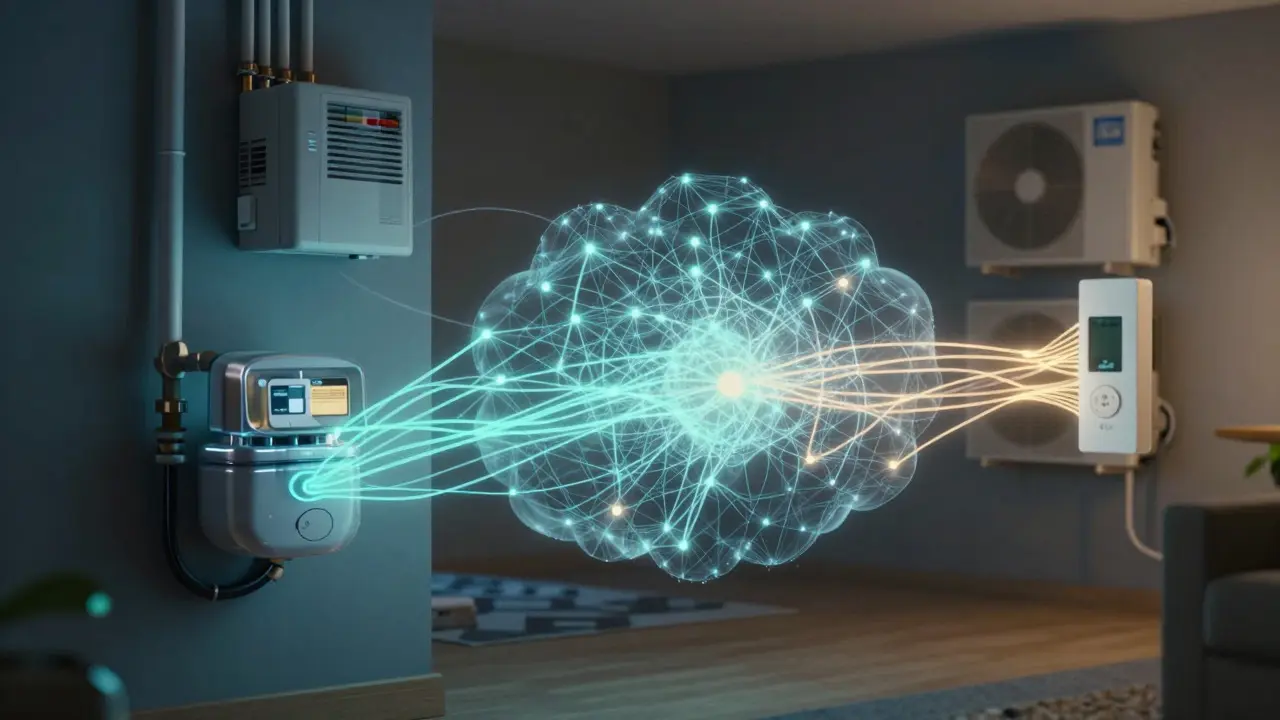
The backbone of any effective predictive system is high-quality data collection. You don’t need a server room in your garage. Modern smart thermostats, smart meters, and dedicated leak detectors communicate via Wi-Fi or Zigbee protocols. These devices feed data into a central hub, which could be a dedicated gateway or your existing smart home platform like Amazon Alexa or Google Home.
For HVAC, the most critical sensors are non-invasive clamps that measure electrical current and vibration. These attach to the compressor or fan motor without opening the unit. For water systems, ultrasonic flow meters installed on the main line provide precise usage data down to the gallon. When combined with acoustic sensors that listen for the specific sound signature of a pinhole leak, the accuracy skyrockets.
Integration is key. A standalone leak detector is useful, but a connected system is powerful. Imagine a scenario where the AI notices high humidity in the basement (from a humidity sensor) simultaneously with a drop in water pressure (from the flow meter). It correlates these events, identifies the likely culprit as a sub-floor pipe, and sends you a notification with a map of your plumbing layout. This contextual intelligence is what separates basic automation from true predictive analytics.
Implementation Steps for Homeowners
You don’t have to overhaul your entire home to benefit from these trends. Start small and expand based on value.
- Assess Your Risks: Identify your oldest appliances and highest-risk plumbing zones. Usually, this means the water heater, washing machine, and any pipes running through unconditioned spaces like attics or crawlspaces.
- Install Basic Sensors: Place battery-powered humidity sensors in closets, under sinks, and near the water heater. Connect them to a smart hub.
- Upgrade Your Thermostat: If you haven’t already, switch to a smart thermostat that records detailed operational logs. Brands like Ecobee and Nest provide rich data streams for AI analysis.
- Add Flow Monitoring: Install a smart water meter or a sub-meter on your main line. This is the single most impactful addition for leak prevention.
- Enable AI Insights: Choose a platform or app that offers trend analysis, not just instant alerts. Look for features that show historical comparisons and anomaly detection.
Common Pitfalls to Avoid
Even with advanced tech, bad data leads to bad decisions. Here are the traps that undermine predictive systems:
- Ignoring Baseline Calibration: Every home has a unique energy and water usage profile. New systems need 2-4 weeks to learn your normal patterns. Don’t panic at early false alarms; let the AI adjust.
- Over-Reliance on Single Sensors: One faulty sensor can cause endless notifications. Use redundancy where possible, or prioritize multi-sensor correlation platforms.
- Neglecting Maintenance Windows: Predictive maintenance tells you *when* to fix things, not *how*. Keep a list of trusted local technicians who can handle both HVAC and plumbing so you can act quickly on alerts.
Future Trends and Sustainability Impact
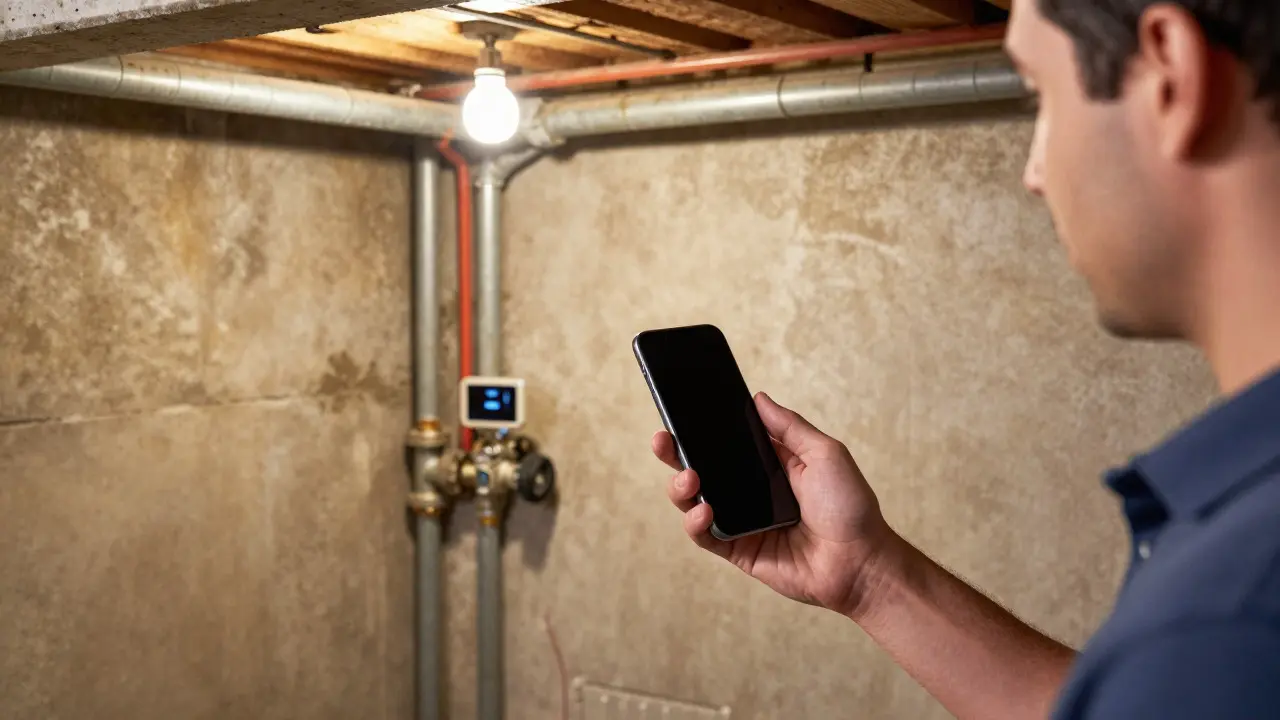
As we move deeper into the mid-2020s, the integration of weather data is becoming standard. Your HVAC system now knows that a heat wave is coming next week. It pre-cools the house during off-peak hours when electricity is cheaper, reducing strain on the grid and extending the life of the compressor. Similarly, water systems adjust pressure valves automatically during freeze warnings to prevent bursts.
This level of optimization contributes significantly to sustainability. Reducing wasted water and energy directly lowers your carbon footprint. In cities like Portland, where water conservation is a civic priority, these systems align personal savings with community goals. The trend is moving toward autonomous action-where the system doesn’t just alert you, but shuts off the water valve or adjusts the thermostat setpoint automatically within safe limits.
Frequently Asked Questions
Do I need professional installation for AI leak detectors?
Most consumer-grade humidity and motion sensors are DIY-friendly, using adhesive mounts and Wi-Fi setup. However, ultrasonic flow meters on the main water line often require a plumber to ensure proper sealing and placement. Smart thermostats can usually be installed by homeowners if their wiring matches standard configurations, but complex multi-stage systems may need pro help.
How accurate are AI predictions for HVAC failures?
Accuracy depends heavily on data quality and system age. For well-maintained units with consistent sensor data, predictive models can identify emerging issues 30-90 days in advance with over 80% accuracy. Older systems with variable usage patterns may see lower accuracy initially, improving as the AI learns specific failure modes for that unit.
Can predictive systems work without internet connectivity?
Local processing is increasingly common. Many modern hubs perform initial anomaly detection locally, ensuring alerts work even if Wi-Fi drops. However, cloud-based AI models that compare your data against thousands of other homes for better insights require internet access. Battery backups for sensors ensure short-term power outages don’t blind the system.
What is the typical return on investment for these systems?
For the average home, the ROI comes from avoiding one major water damage event or one major HVAC replacement. A single avoided flood can cost $10,000-$30,000 to repair. Since sensor systems typically cost $500-$1,500 upfront plus subscription fees, the payback period is often less than two years if a significant incident is prevented. Energy savings add another 10-15% annual reduction in utility bills.
Are there privacy concerns with smart home data?
Yes, but manageable. Your usage data reveals habits like occupancy schedules and appliance lifespans. To mitigate risks, choose providers with strong encryption standards and opt-out options for data sharing. Local-first processing reduces the amount of data sent to the cloud. Always review the privacy policy to understand if your data is sold to third parties or used solely for service improvement.