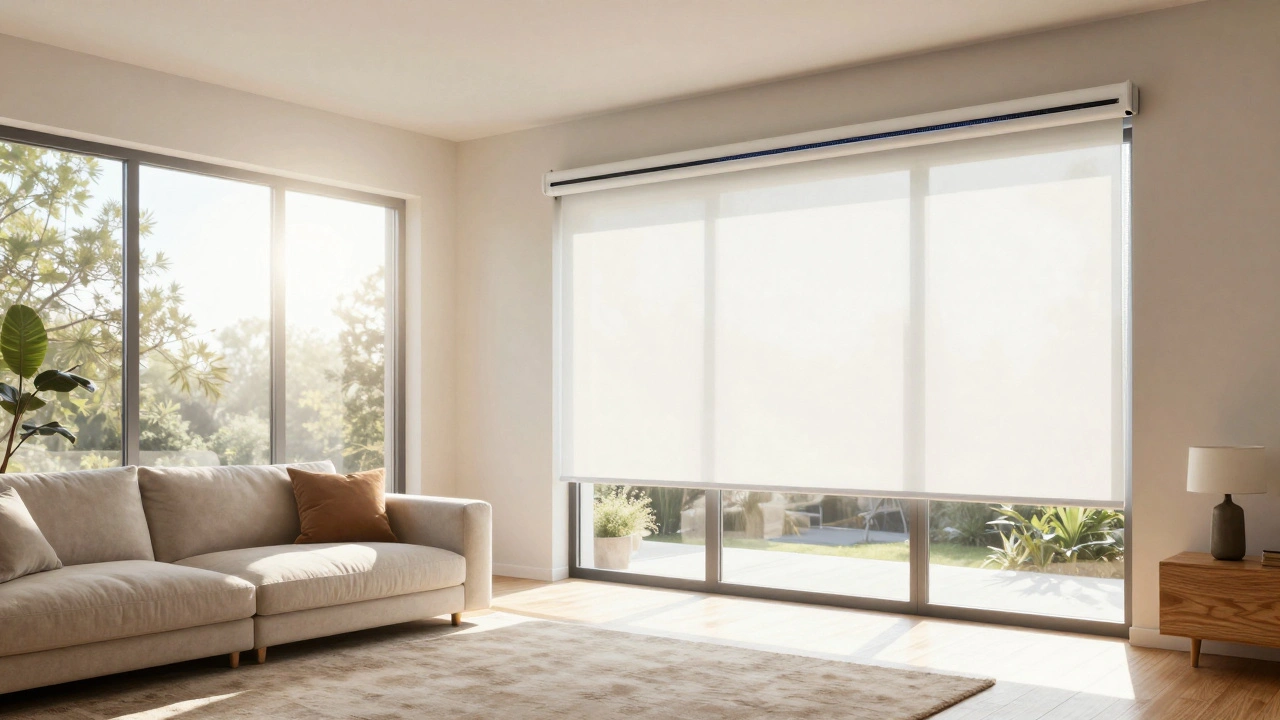
Imagine walking into your living room in the morning. The sun is already blazing through the east-facing windows, heating up the carpet and fading the fabric of your sofa. You reach for the remote to close the motorized shades, but then you remember-the battery died last week. Or worse, you have to crawl behind a heavy piece of furniture to plug in the charger. It’s a frustration that kills the convenience of smart home tech before it even starts.
This is where solar charging for motorized shades changes the game. By integrating small photovoltaic cells directly into the headrail or valance of your window treatment, you get a self-sustaining system. No wires running along baseboards. No hunting for outlets. Just clean energy powering your privacy and comfort. But does it actually work? Is it reliable enough for daily use, or is it just a marketing gimmick? Let’s break down when this technology makes sense for your home and when you should stick to traditional wiring.
The Mechanics of Solar-Powered Blinds
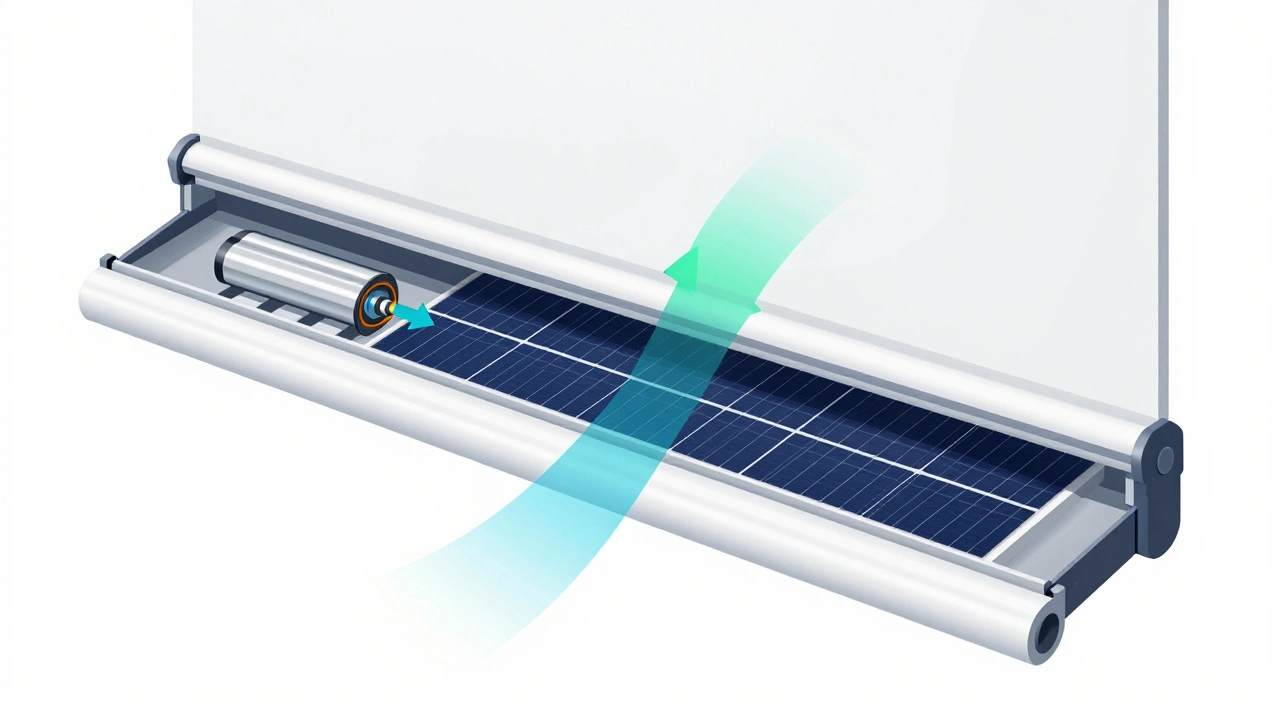
To understand if solar shades are right for you, you need to know how they function under the hood. Unlike a standard AC-powered blind that plugs into the wall, a solar-powered unit relies on a hybrid energy system. Most modern systems use a thin-film solar panel mounted on the top rail of the shade. This panel captures sunlight and converts it into electricity, which charges a lithium-ion battery pack hidden inside the mechanism.
Here is the catch: the solar panel alone rarely powers the motor in real-time. Instead, it acts as a trickle charger. The actual lifting and lowering of the shade is powered by the stored energy in the battery. This design allows the shades to operate smoothly without needing direct sunlight at the exact moment you want to close them. However, this means the system requires a baseline amount of light to maintain charge levels. If your windows face north in a dense urban canyon, the solar panel might not capture enough photons to keep the battery healthy.
Manufacturers like Hunter Douglas and Lutron have refined this technology significantly over the last few years. Their latest models feature high-efficiency monocrystalline silicon cells that can generate meaningful power even on cloudy days. For example, a typical solar cell on a premium shade can generate between 0.5 to 1.5 watts of power in full sun. While that sounds small, opening and closing a medium-sized roller shade only requires about 5 to 10 watt-hours of energy per cycle. This efficiency gap is what makes the technology viable.
When Solar Makes Sense: The Ideal Scenarios
Solar charging isn't a one-size-fits-all solution. It shines brightest in specific architectural and lifestyle contexts. If you fall into any of these categories, solar-powered shades are likely a no-brainer.
- Retrofitting Older Homes: If you live in a historic home in Portland or anywhere else with plaster walls and old-fashioned electrical boxes, drilling holes to run new low-voltage wiring is a nightmare. Solar shades eliminate the need for invasive construction. You can upgrade to smart home automation without damaging your drywall or violating historical preservation codes.
- Hard-to-Reach Windows: Think about those tall, narrow windows above a kitchen sink or behind a built-in bookshelf. Running a wire there is often impossible or looks ugly. Solar panels integrate seamlessly into the top rail, keeping the aesthetic clean and functional.
- Energy-Conscious Lifestyles: If you are already monitoring your home's energy usage with tools like Sense or Tesla Powerwall, adding zero-energy devices aligns with your goals. While the energy savings from one set of shades is minimal, the principle of reducing phantom loads and grid dependency adds up across multiple rooms.
- Renovations with Limited Electrical Access: During a remodel, you might find that the nearest junction box is too far away to justify the cost of pulling new Romex cable. Solar offers a budget-friendly alternative to hiring an electrician for minor additions.
In these scenarios, the convenience factor outweighs the slight premium price tag. You get the full benefit of automated scheduling-opening shades at sunrise to warm the house passively, closing them at noon to block UV rays-without the hassle of maintenance.
When to Stick to Wired or Battery-Only Options
Solar isn't magic. There are legitimate cases where it fails to deliver. Understanding these limitations saves you from buyer's remorse.
First, consider the orientation of your windows. North-facing windows in the Northern Hemisphere receive very little direct sunlight. They rely on diffuse ambient light, which is much weaker. A solar panel on a north-facing shade might take three days to fully charge the battery, whereas a south-facing one takes four hours. If you plan to automate these shades frequently-say, every hour for climate control-the battery will drain faster than it recharges. In this case, a hardwired system or a high-capacity rechargeable battery that you manually swap out once a year is more reliable.
Second, look at the shading itself. If you have large overhangs, deep window wells, or neighboring buildings that cast long shadows during critical daylight hours, your solar panel is essentially blinded. I’ve seen clients install solar shades in courtyards surrounded by brick walls; by mid-afternoon, the shades were dead because the sun never hit the panel. Always do a "sun path" check before buying. Stand in front of the window at different times of day and see if the glass gets direct hits.
Third, consider the aesthetic impact. Solar panels add thickness to the headrail. A standard wired roller shade might have a sleek 2-inch aluminum tube. A solar version could be 3 or 4 inches thick to accommodate the battery and electronics. If you have minimalist decor or tight ceiling heights, this bulk might bother you. Additionally, some cheaper solar shades have visible black strips on the top rail that clash with white or beige fabrics. Premium brands hide the cells better, but you pay for that discretion.
Cost Analysis: Is the Premium Worth It?
Let’s talk numbers. A basic motorized roller shade with hardwired power costs around $150 to $250 per window, excluding installation labor. A battery-operated model runs slightly higher, at $200 to $300, due to the added electronics. Solar-powered shades typically sit in the $300 to $600 range per window, depending on the brand and fabric.
| Feature | Hardwired (AC) | Battery Operated | Solar Powered |
|---|---|---|---|
| Average Cost per Window | $150 - $250 | $200 - $300 | $300 - $600 |
| Installation Complexity | High (Electrician needed) | Low (DIY friendly) | Low (DIY friendly) |
| Maintenance | None | Recharge/Replace yearly | Minimal (Self-charging) |
| Reliability in Low Light | Excellent | Good (until battery dies) | Poor (depends on sun) |
| Smart Home Integration | Full | Full | Full |
The question is whether the extra $100 to $350 per window pays off. If you have ten windows, that’s an additional $1,000 to $3,500 upfront. However, you save on electrical installation costs, which can easily run $50 to $100 per outlet point. Plus, you eliminate the ongoing annoyance of battery management. For most homeowners, the break-even point is reached within two to three years, considering the saved labor and increased property value from integrated smart home features.
Integration with Smart Home Ecosystems
The true value of motorized shades lies in their ability to talk to other devices. Whether you choose solar, battery, or wired, the motor is just the muscle; the brain is the controller. Most solar shades come with proprietary hubs or support standard protocols like Zigbee, Z-Wave, or Wi-Fi.
If you use Amazon Alexa or Google Home, you can create routines. For instance, "Alexa, good morning" could open the bedroom shades to let in natural light while turning on the coffee maker. With solar shades, you don’t have to worry about the routine failing because the battery was left empty. As long as the sun rose, the shades are ready.
For advanced users, platforms like Home Assistant allow for granular control. You can program shades to close automatically when the indoor temperature hits 75 degrees Fahrenheit, reducing the load on your HVAC system. This dynamic response is particularly effective with solar shades because they are inherently tied to the weather conditions that drive energy needs. When the sun is strongest, the shades are most charged-and most needed.
Troubleshooting Common Issues
Even the best technology has quirks. Here are the most common issues people face with solar shades and how to fix them.
- Shades Won’t Close Fully: This usually indicates a low battery. Check if the solar panel is dirty or covered by dust. Wipe it gently with a microfiber cloth. If the problem persists, try manually closing the shade via the app to reset the limit switches.
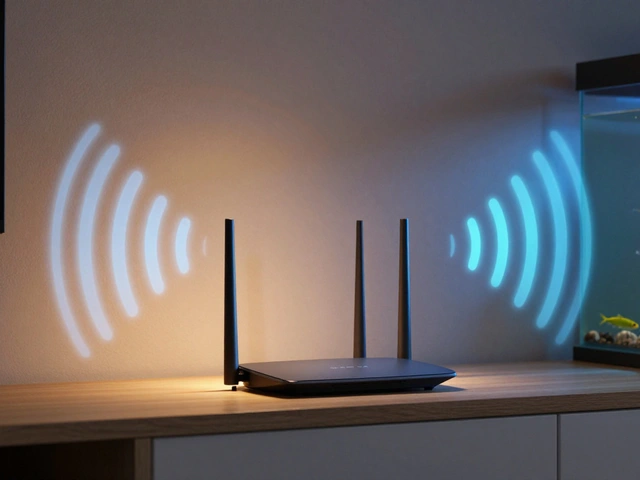
- Slow Response Time: If your shades lag when you press the button, the Wi-Fi signal might be weak. Move your router closer or add a mesh node. Alternatively, switch to Zigbee or Z-Wave, which are more stable for low-power devices.
- Fading in Winter: In regions like Portland, winter days are short and gray. Your shades may not get enough charge to operate multiple times a day. Adjust your schedule to prioritize essential movements (like night closure) and skip decorative adjustments during stormy weeks.
- Noise During Operation: A grinding sound often means the belt inside the motor is misaligned. This is rare in new units but can happen after years of use. Contact the manufacturer for warranty service; don’t try to disassemble it yourself.
Future-Proofing Your Home
As we move further into the 2020s, building codes are increasingly favoring energy-efficient designs. Solar-powered shades contribute to LEED certification points and meet the growing demand for net-zero homes. They represent a shift from passive consumption to active generation, even on a small scale.
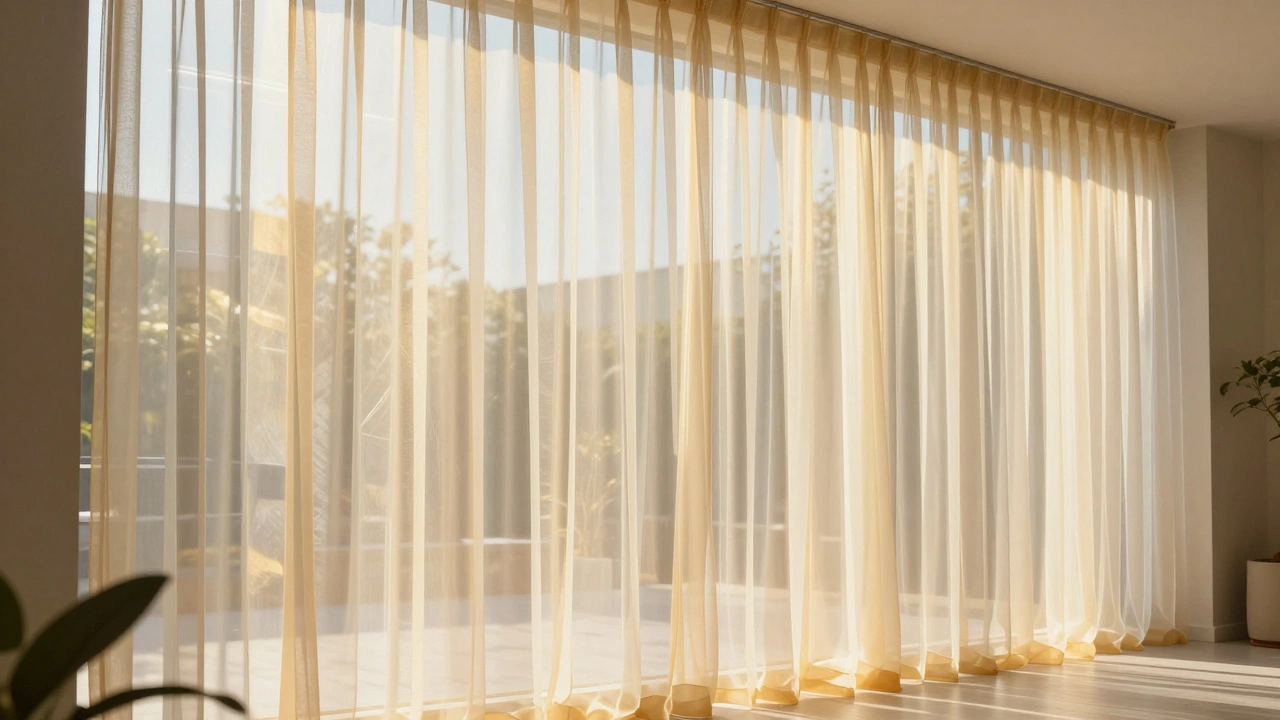
Moreover, the technology is improving rapidly. Next-generation organic photovoltaics (OPV) are being developed that can be printed directly onto the fabric of the shade, eliminating the bulky headrail entirely. Imagine sheer curtains that generate power without any visible hardware. We are likely five to ten years away from widespread adoption of such transparent solar textiles. Investing in current solar shades now positions you well for future upgrades, as many systems are designed to be firmware-updatable.
Ultimately, solar charging for motorized shades makes sense when convenience, aesthetics, and sustainability intersect. It removes the friction of maintenance and the visual clutter of wires. While it demands respect for sunlight exposure and comes with a higher initial cost, the long-term benefits of a truly wireless, self-sustaining smart home environment are hard to beat. If your windows catch the sun, let them work for you.
Do solar motorized shades work on cloudy days?
Yes, but with reduced efficiency. Modern solar panels can capture diffuse light from overcast skies, though they charge much slower than in direct sunlight. Most systems store enough energy in their batteries to handle several cycles even after a few cloudy days, provided they had prior exposure to sun.
How long do the batteries in solar shades last?
The internal lithium-ion batteries typically last 5 to 7 years before needing replacement. Since solar charging involves shallow discharge cycles (topping off rather than draining completely), the battery life is often extended compared to devices that are fully drained and recharged daily.
Can I install solar shades myself?
Absolutely. One of the biggest advantages of solar shades is that they require no electrical wiring. Installation involves mounting brackets to the window frame or wall, similar to hanging curtains. Most kits include all necessary hardware and instructions for DIY setup.
Are solar shades compatible with Apple HomeKit?
It depends on the brand. Some premium brands like Lutron offer native HomeKit integration. Others may require a third-party bridge or hub that supports HomeKit. Check the product specifications for "Works with Apple Home" certification before purchasing.
What happens if the solar panel breaks?
If the solar panel is damaged, the shade will continue to operate using the remaining battery charge until it depletes. Most systems allow you to replace just the solar module or the entire headrail assembly. Without the panel, you would need to manually recharge the battery periodically via USB or a docking station, if supported.