There is nothing quite like the feeling of a summer evening in your backyard. The sun dips below the horizon, the air cools down, and you want to watch the game or listen to music without retreating inside. But here is the catch: standard electronics hate the outdoors. Dust, humidity, rain, and temperature swings can kill an indoor TV or speaker in a single season. That is why choosing weatherproof gear is not just about convenience; it is about protecting your investment.
You do not need a degree in engineering to figure out what works outside, but you do need to understand a few specific metrics. If you buy a cheap "outdoor" speaker that only has a splash-proof rating, you might be fine for light drizzle, but it will fail during a heavy storm. Similarly, putting a regular living room TV under a pergola is a recipe for disaster unless you have full shade and climate control. This guide breaks down exactly how to select the right equipment for your patio, deck, or poolside area so you can enjoy your space all year round.
Understanding IP Ratings: The Language of Weather Resistance
The most critical specification to look at when buying outdoor audio or video is the Ingress Protection (IP) rating. You will see this code printed on product boxes and spec sheets, usually in a format like IP65 or IPX4. It sounds technical, but it is actually a simple two-digit system that tells you exactly how well a device protects against solids and liquids.
The first digit represents protection against solid particles, like dust. The second digit represents protection against water. For outdoor use, you generally want to aim for specific thresholds:
- IPX4: Protected against splashing water from any direction. Good for covered patios where rain does not hit directly, but risky if left exposed to heavy showers.
- IP65: Dust-tight and protected against low-pressure water jets. This is the sweet spot for most permanent outdoor installations. It handles rain, sprinklers, and occasional hose-downs.
- IP67: Dust-tight and protected against temporary immersion in water up to one meter deep. Ideal for poolside setups where devices might get dunked or subjected to intense spray.
A common mistake is assuming that "water-resistant" means waterproof. It does not. A speaker with an IPX4 rating can handle a light mist, but if you leave it out overnight during a thunderstorm, condensation could build up inside the drivers. Always check the manufacturer’s warranty terms regarding outdoor exposure. Some brands offer extended warranties specifically for outdoor units, while others void the guarantee if the unit gets wet beyond its rated limit.
Selecting the Right Outdoor Television
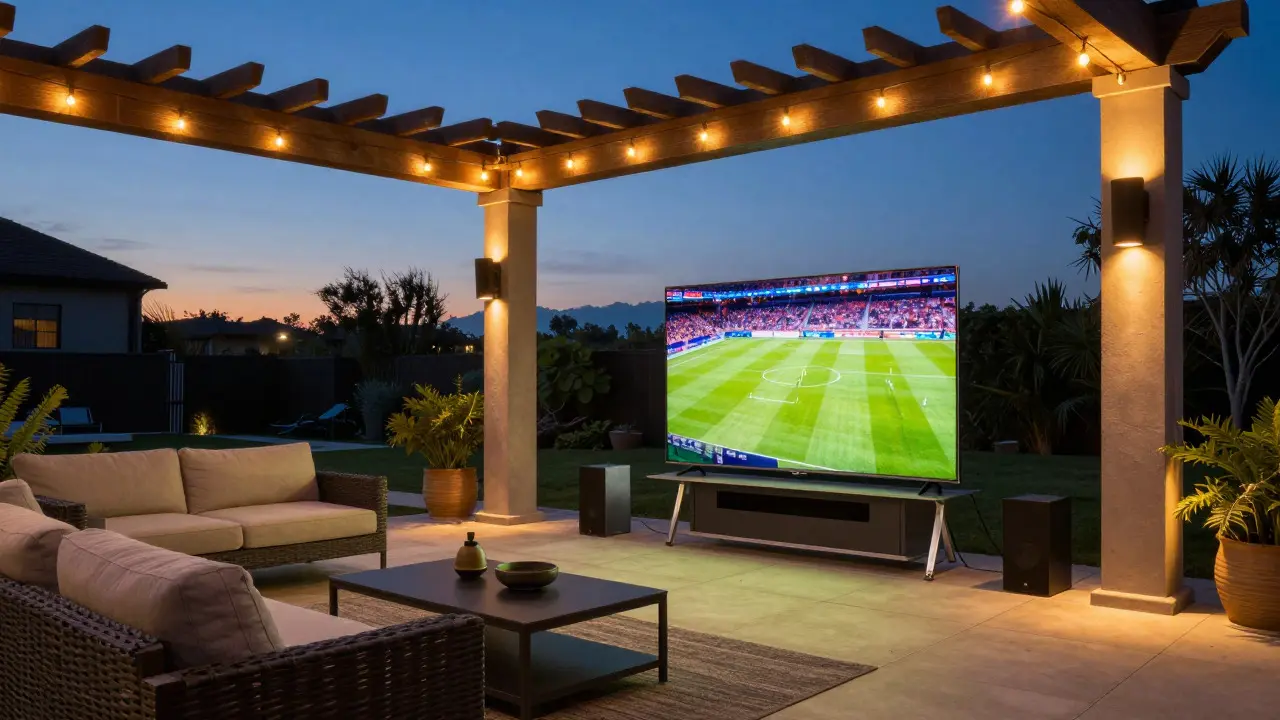
Choosing an outdoor TV is different from picking one for your living room. The biggest enemy of an outdoor display is brightness. Standard indoor TVs are designed for dimly lit rooms, so their screens often look washed out and gray in daylight. To combat this, you need a panel with high peak brightness, typically above 1,000 nits. Many dedicated outdoor TVs now feature anti-glare coatings that reduce reflections from the sun, making them usable even in bright afternoon conditions.
Beyond brightness, consider the mounting situation. Do you have a wall, a post, or a free-standing pole? Most outdoor TVs come with VESA-compatible mounts, but you need to ensure the mount itself is rated for outdoor use. Stainless steel or powder-coated aluminum mounts are best because they resist rust. Avoid standard indoor brackets made of thin zinc-plated steel, as they can corrode within a year in humid climates like Portland, Oregon.
Another factor is power management. Outdoor outlets are often GFCI-protected, which is good for safety, but you need to run weather-rated cable (like UV-resistant HDMI or coaxial) to avoid signal degradation. If you are using a smart TV, keep in mind that Wi-Fi signals can be weak outdoors. Using a wired Ethernet connection or a mesh node placed near the TV ensures stable streaming performance without buffering during big games.
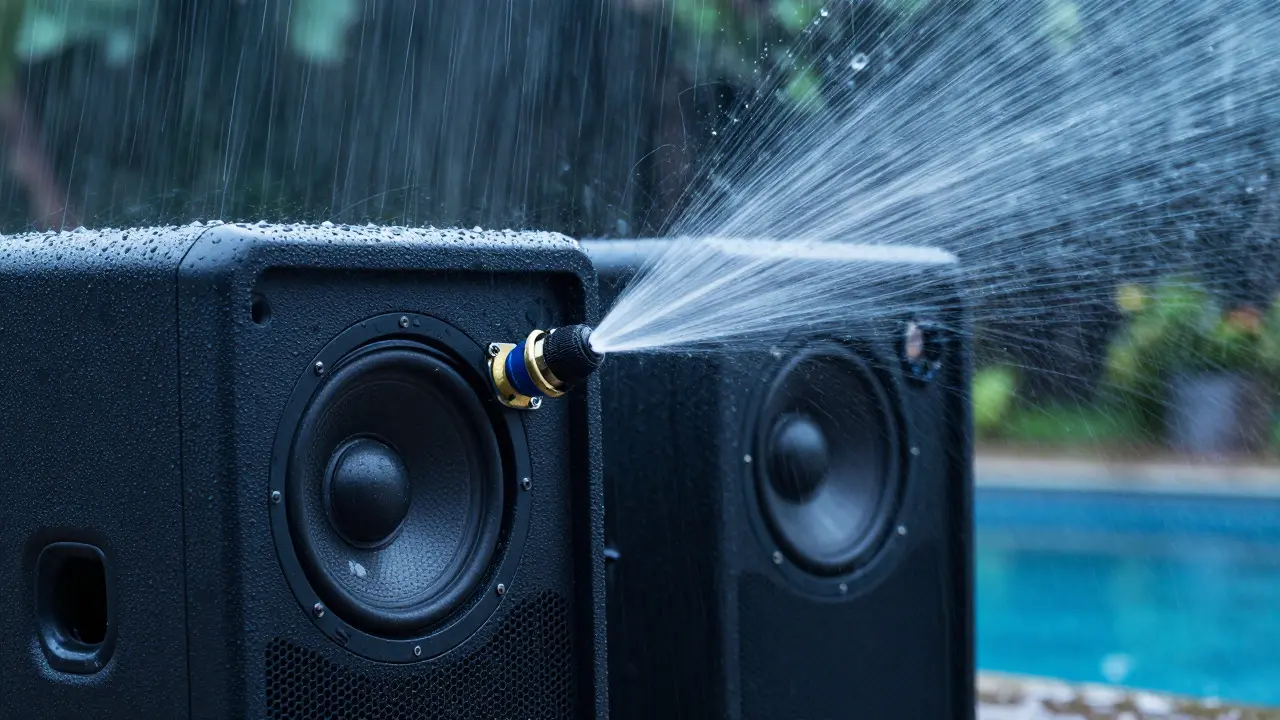
Outdoor Speaker Systems: Audio Quality in Open Spaces
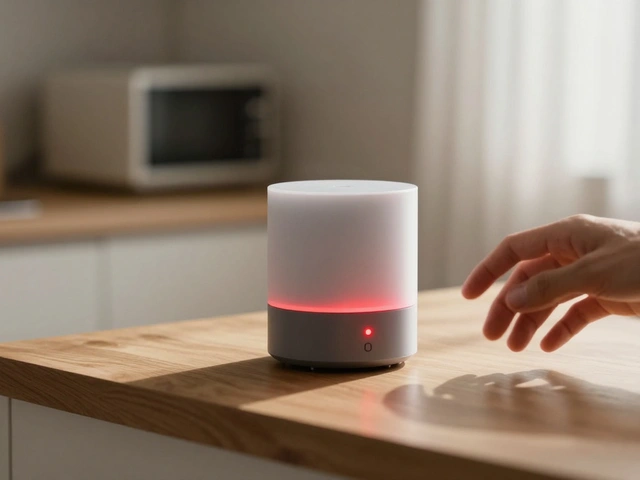
Sound behaves differently outside than it does indoors. There are no walls to bounce sound off, so energy dissipates quickly. This means you need more wattage to achieve the same perceived volume as an indoor system. However, raw power is not everything. Directionality matters. In an open yard, sound travels straight away from the source. If you place speakers too close together, you might create dead zones where the audio cuts out.
There are three main types of outdoor speakers to consider:
- In-Wall/In-Ceiling Models: These look sleek and disappear into the architecture of your home or pergola. They are great for background music but may lack the punch for party-level volume.
- Pole-Mounted Speakers: These are mounted on tall poles around the perimeter of your yard. They provide wide coverage and are easy to adjust for angle. They are a popular choice for large decks.
- Free-Standing Column Speakers: Modern designs often resemble decorative pillars. They house multiple drivers and amplifiers, offering high fidelity and durability. They are expensive but offer the best balance of aesthetics and performance.
When selecting speakers, pay attention to the driver materials. Titanium or Kevlar cones are often used in outdoor models because they are rigid and resistant to heat distortion. Also, check if the amplifier is built-in or external. Built-in amps simplify installation but can overheat if trapped in an enclosure without ventilation. External amps give you more control over power distribution but require more wiring.
Installation Best Practices for Longevity
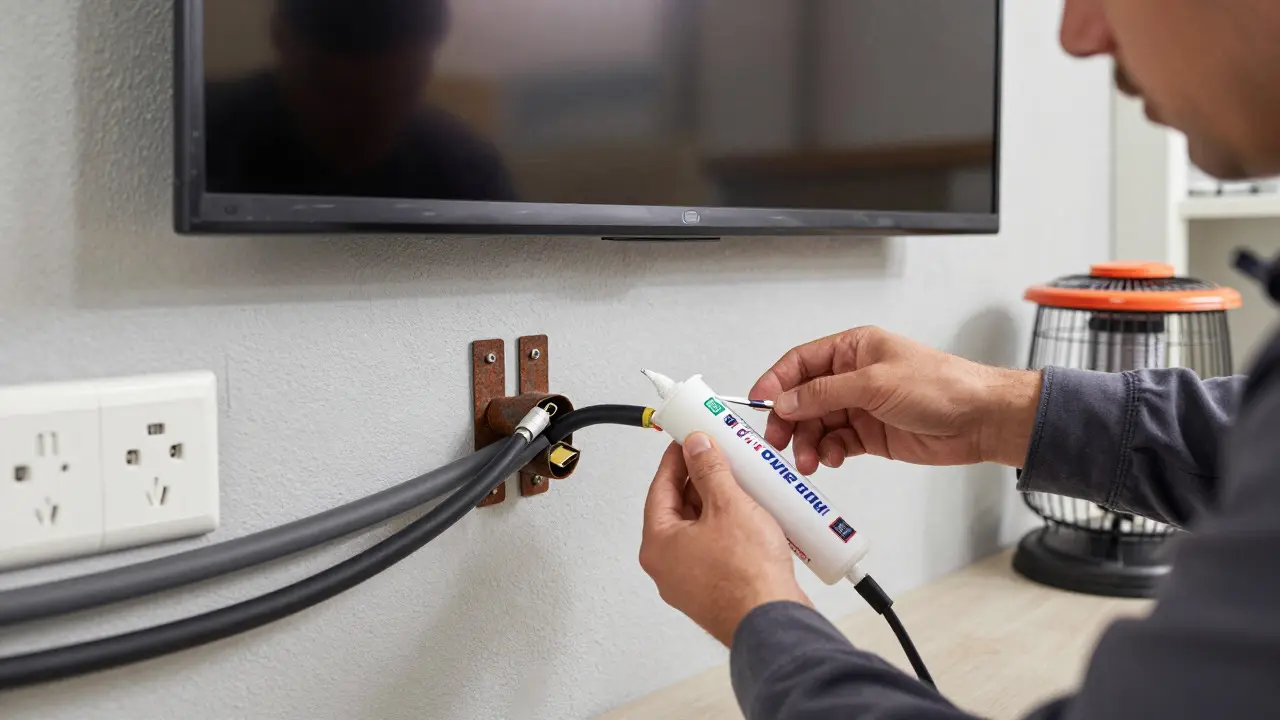
Even the best weatherproof gear will fail if installed poorly. Proper installation is half the battle. First, ensure all connections are sealed. Use dielectric grease on speaker terminals to prevent corrosion caused by moisture. For HDMI and power cables, use outdoor-rated connectors and seal entry points with silicone caulk to keep bugs and water out.
Consider adding a cover or enclosure for your TV. While many outdoor TVs are rated for direct exposure, a polycarbonate cover can extend the life of the screen by blocking direct sunlight and debris. Just make sure the cover allows for airflow to prevent heat buildup behind the panel. Heat is a silent killer for electronics, especially in summer months when ambient temperatures rise.
If you live in an area with freezing winters, plan for seasonal storage or heating. Even IP67-rated devices can suffer from internal condensation if they freeze and then thaw repeatedly. Some users install small space heaters near the TV or use timed switches to warm the cabinet before use. Alternatively, disconnect and store sensitive components indoors during the off-season.
| Feature | Indoor Standard | Basic Outdoor (IPX4) | Premium Outdoor (IP65/IP67) |
|---|---|---|---|
| Water Resistance | None | Splash proof | Jet stream / Immersion safe |
| Dust Protection | Low | Moderate | Dust-tight (IP6) |
| Screen Brightness (TV) | 300-500 nits | 800-1000 nits | 1500+ nits with anti-glare |
| Mount Material | Zinc-plated steel | Aluminum | Stainless steel / Marine-grade |
| Warranty Coverage | 1-2 years (indoor use) | Limited outdoor clause | Full outdoor coverage |
Common Pitfalls to Avoid
Many homeowners make the same mistakes when setting up outdoor entertainment systems. One frequent error is underestimating the need for shading. Direct sunlight fades OLED panels faster than LED-LCD panels. If you choose an OLED outdoor TV, ensure it is in a shaded area or use a high-quality solar filter. Another pitfall is ignoring cable management. Exposed cables are not only ugly; they are also vulnerable to animal damage and UV degradation. Use conduit or raceways to hide and protect your wiring.
Also, do not skip the grounding process. Outdoor environments are more prone to static discharge and lightning surges. Installing a surge protector rated for outdoor use can save your entire system from a single spike. Finally, test your setup thoroughly before the first big event. Check for audio dropouts, video lag, and physical stability of mounts. Fixing issues after guests arrive is stressful and often impossible.
Frequently Asked Questions
Can I use regular indoor speakers outside?
Technically yes, but it is not recommended. Indoor speakers lack proper sealing, so moisture will eventually seep into the drivers and cause distortion or failure. They also lack UV protection, which can crack plastic grilles and fade finishes. For occasional use under a covered porch, it might work, but for permanent installation, invest in dedicated outdoor models.
What is the difference between IP65 and IP67?
The last digit indicates water resistance level. IP65 protects against low-pressure water jets, which is sufficient for rain and sprinklers. IP67 protects against temporary immersion up to one meter deep for 30 minutes. If your speaker is near a pool or fountain where it might get submerged, choose IP67. For general yard use, IP65 is usually enough.
Do outdoor TVs need special remotes?
Not necessarily, but infrared (IR) remotes can struggle in bright sunlight because IR signals are invisible and can be interfered with by ambient light. Bluetooth or RF (radio frequency) remotes are better suited for outdoor use because they do not rely on line-of-sight IR signals. Check if your TV supports RF remote pairing or consider buying a universal RF remote.
How much power do I need for outdoor speakers?
It depends on the size of your area. As a rule of thumb, you need about 10-15 watts per square foot for background music in a medium-sized patio. For louder party music, double that estimate. Since sound dissipates outdoors, you may need more total wattage than you would for an indoor room of the same size. Start with a mid-range amplifier and upgrade if needed.
Are battery-powered outdoor speakers a good option?
Battery-powered speakers offer flexibility and ease of setup, as you do not need to run wires. However, they are limited by battery life, typically 8-12 hours of continuous play. They are great for movable setups or areas where wiring is difficult. For permanent installations, wired systems are more reliable and offer consistent power without worrying about recharging.