There is a specific moment in every smart home installation where the tech meets the brick wall. You are standing in your hallway, holding a drill and a new Smart Thermostat is a connected device that automates heating and cooling systems to optimize energy use and comfort. It looks sleek. It promises to save you money. But then you pull the old unit off the wall, and you see the wires-or lack thereof. Do you have a constant power source? Or are you relying on batteries that need changing twice a year?
This decision isn't just about convenience; it dictates how reliable your system will be over the next decade. A wired connection offers stability, while battery options offer flexibility. Choosing the wrong one can lead to dead screens in the middle of winter or complex electrical work that costs more than the device itself. Let's break down exactly what each option means for your wallet, your effort, and your comfort.
The Power Source Dilemma
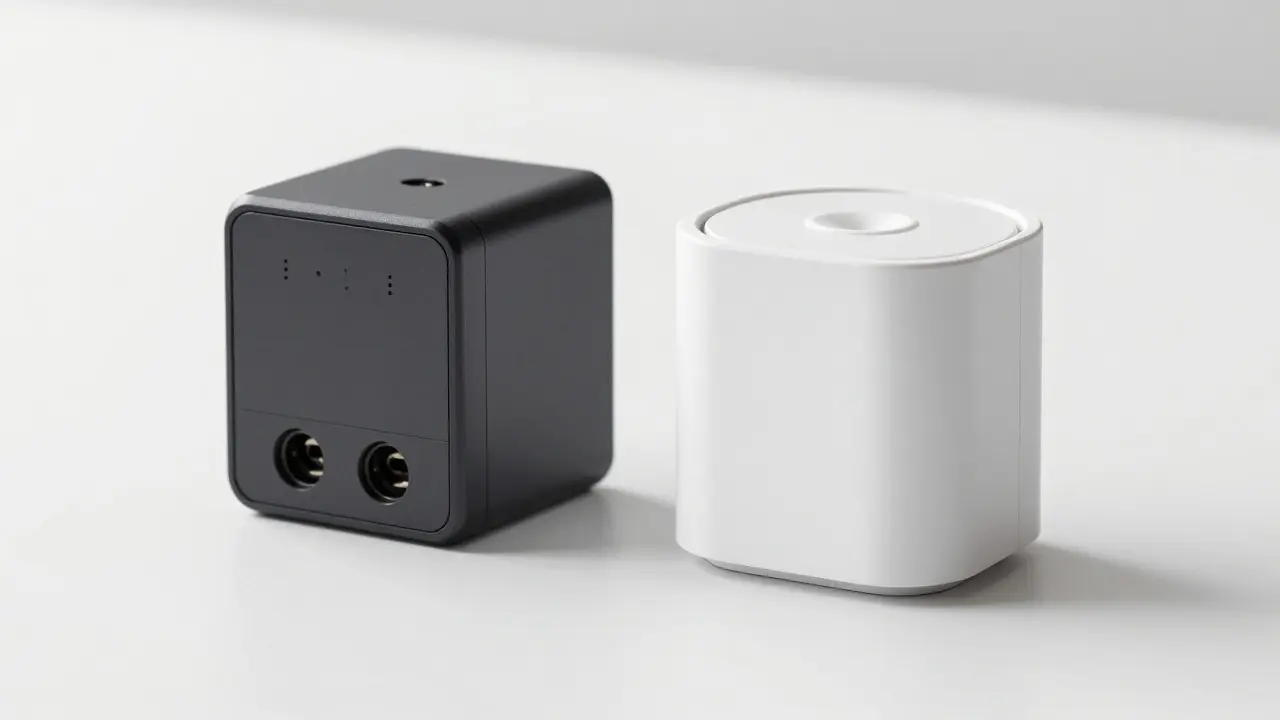
At its core, a smart thermostat needs electricity to run its processor, sensors, and display. There are two main ways to feed this hunger. The first is a hardwired connection, typically using a "C-wire" (Common wire) that provides a continuous 24-volt AC signal from your furnace or air handler. The second is internal rechargeable or replaceable batteries, which draw power from the existing heating and cooling cycles rather than a dedicated line.
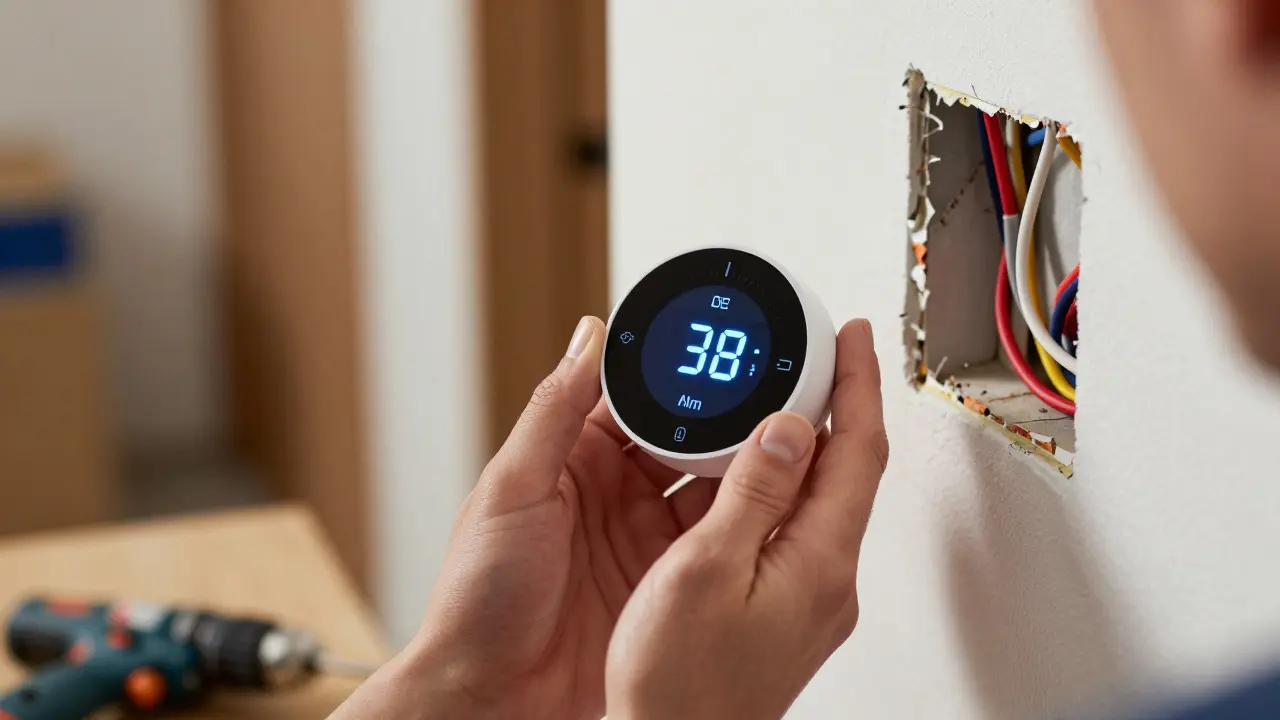
Wired models generally offer superior performance because they never lose charge. You don't have to worry about the screen going dark during a heat wave. However, not every home has a C-wire. Older homes, particularly those built before the 1980s, often only have three wires: Red (power), White (heat), and Yellow (cool). If you lack that fourth wire, you might think you're stuck with batteries. But wait-there is a workaround called a power extender kit. This small box installs at your furnace and creates a virtual C-wire, allowing you to use a wired thermostat even in older systems. It’s a $30 fix that saves you from buying a different device entirely.
Battery-powered thermostats, on the other hand, are designed for simplicity. They plug into whatever wires you have. No drilling, no running new cables, no electrician calls. For renters or homeowners who want a quick upgrade without touching their HVAC system, this is the path of least resistance. But that convenience comes with a trade-off: maintenance. You will either be swapping AA or AAA batteries every six months or charging a USB pack if it’s a rechargeable model. Miss that window, and your smart features vanish, leaving you with a basic dial or no control at all.
Installation Complexity and Cost
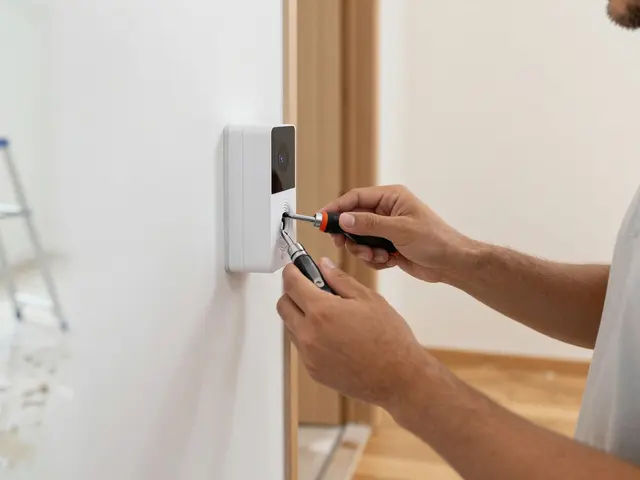
Let’s talk about the actual work involved. Installing a wired thermostat requires opening the panel, identifying the wires, and ensuring the C-wire is connected correctly. If you are comfortable with DIY and have a multimeter, this takes about 30 minutes. If you are not, you might call an HVAC technician. In Portland, Oregon, labor rates for such a simple job can range from $75 to $150. Add that to the cost of the thermostat, and your initial investment jumps significantly.
Battery installations are almost universally plug-and-play. You remove the old faceplate, snap the new one on, and pair it with your phone app. Total time: five minutes. The cost is limited to the price of the device. If you choose a premium battery model like the Ecobee SmartThermostat, you pay a higher upfront price ($249-$299) but avoid any installation fees. If you go with a mid-range wired option like the Nest Learning Thermostat, you pay less for the hardware ($249) but may incur installation costs if you lack a C-wire.
Here is a rough comparison of the total first-year cost for both scenarios:
| Factor | Wired Model (e.g., Nest) | Battery Model (e.g., Ecobee) |
|---|---|---|
| Device Price | $249 | $279 |
| Installation Labor | $0 - $150 (if C-wire missing) | $0 |
| Power Extender Kit | $30 (if needed) | N/A |
| Battery Replacement | $0 | $10 - $20 (per year) |
| Total Estimated Cost | $279 - $429 | $289 - $299 |
Notice that the price gap narrows significantly once you factor in potential installation costs for wired units. If you already have a C-wire, the wired option is cheaper and more robust. If you don’t, the battery option often wins on budget predictability.
Reliability and Long-Term Maintenance
Reliability is where the debate gets personal. I have seen too many households where the smart thermostat dies right when the weather turns extreme. With a battery model, this happens when the user forgets to change the batteries. It’s a human error, but it’s common. One cold snap in January, and suddenly your house is freezing because the device lost power and couldn’t communicate with the furnace.
Wired models eliminate this failure point. As long as your furnace has power, the thermostat works. This makes them ideal for vacation homes or properties where you aren’t around to monitor alerts. The downside? If your HVAC system fails, the thermostat might still show data, but it won’t control anything. Both types share this limitation, but the wired version gives you clearer diagnostics because it has a stable power source to run advanced sensors.
Battery models also have a subtle issue: sensor accuracy. Some budget battery units rely on ambient room temperature only. Wired high-end models often include remote sensors that you can place in bedrooms or living rooms. These sensors provide a more accurate average of your home’s climate, leading to better efficiency. If you have a large open-plan space, a single sensor on the hallway wall might not represent the whole house. A wired system with multiple sensors handles this better.
Energy Savings and Efficiency
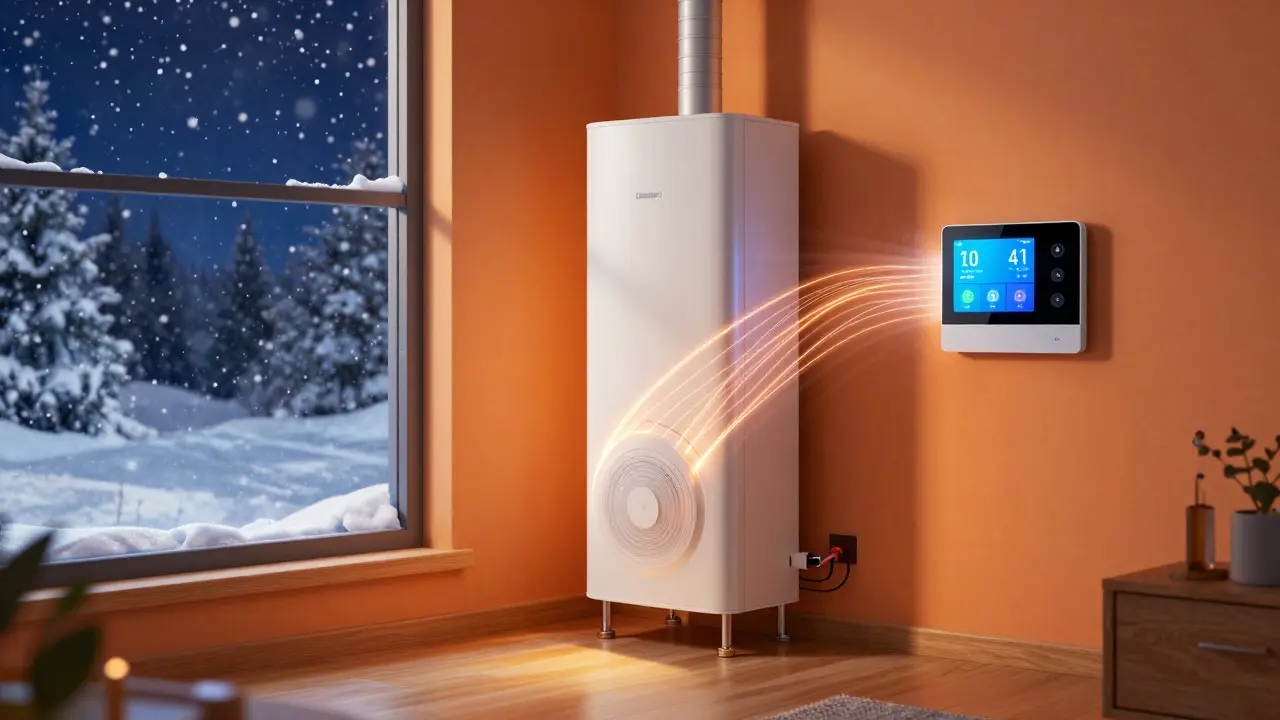
Both types promise energy savings, but how they achieve it differs slightly. Wired thermostats often come with more advanced algorithms because they have consistent power to process data continuously. They can learn your habits, adjust schedules automatically, and send detailed reports on energy usage. This granularity helps you tweak settings for maximum efficiency.
Battery models are catching up. Modern battery-powered devices use low-power processors that sleep between readings, conserving energy while still learning patterns. The difference in actual kilowatt-hours saved is negligible for most users. What matters more is consistency. If you skip a battery change, you lose the smart features, and your system reverts to manual mode, potentially wasting energy. A wired system maintains its optimization routine regardless of user intervention.
Consider this: if you save 10% on your annual HVAC bill, that’s roughly $150 to $300 for an average household. Over ten years, that’s $1,500 to $3,000. Both types can deliver this, but the wired option does so with less risk of interruption. The battery option delivers it with less upfront hassle. Your choice depends on whether you value peace of mind or ease of setup.
Who Should Choose Which?
So, how do you decide? Here is a quick guide based on your situation:
- You have a C-wire: Go wired. It’s cheaper, more reliable, and offers better long-term performance. Brands like Nest and Honeywell Home are excellent choices here.
- You lack a C-wire but have a furnace: Buy a power extender kit and go wired. It’s a one-time $30 expense that unlocks the full potential of smart technology.
- You rent or have a difficult HVAC setup: Choose battery. You avoid landlord permission issues and complex wiring. Ecobee and Sensi are strong contenders in this space.
- You want minimal maintenance: Go wired. No batteries to buy, no charging docks to manage. Set it and forget it.
- You prioritize multi-room sensing: Look for wired models with expandable sensor capabilities. Battery models rarely support this level of customization.
Don’t let the complexity scare you. Most modern thermostats, regardless of power source, offer similar core features: scheduling, geofencing, and app control. The differences lie in reliability, installation effort, and advanced capabilities. If you are unsure, check your current thermostat’s wiring first. Take a photo of the back of your old unit. Count the wires. If you see four or more, you likely have a C-wire. If you see three, you might need an extender or a battery model.
Ultimately, the best smart thermostat is the one that stays on and keeps your home comfortable without requiring constant attention. Whether that’s a hardwired powerhouse or a battery-friendly plug-and-play device, the key is matching the technology to your home’s infrastructure and your lifestyle. Don’t overthink it. Check your wires, set your budget, and pick the option that fits. Your future self will thank you when the temperature drops and the screen stays lit.
Do all smart thermostats require a C-wire?
No. Many modern smart thermostats, especially battery-powered models, work without a C-wire. However, wired models typically require one for optimal performance. If you lack a C-wire, you can use a power extender kit to create one, allowing you to install a wired thermostat anyway.
How often do I need to change batteries in a smart thermostat?
Most battery-powered smart thermostats use AA or AAA batteries that last 6 to 12 months, depending on usage and climate. Rechargeable models may last longer but require periodic charging via USB. Always check the manufacturer’s specifications for exact intervals.
Can I switch from a battery thermostat to a wired one later?
Yes. If you initially choose a battery model but later decide to upgrade to a wired system, you can install a power extender kit at your furnace. This allows you to connect a wired thermostat without running new wires through your walls. It’s a straightforward retrofit.
Which type is more energy efficient?
Both types are similarly energy efficient in terms of HVAC control. Wired models may offer slightly better optimization due to consistent power for processing data, but the difference in actual energy savings is minimal. The bigger factor is consistent usage and proper scheduling, which both types support.
What should I do if my old thermostat only has three wires?
If you have only three wires (Red, White, Yellow), you have two options. First, buy a battery-powered smart thermostat that doesn’t require a C-wire. Second, install a power extender kit at your furnace to create a virtual C-wire, then install a wired thermostat. The latter is recommended for better long-term reliability.