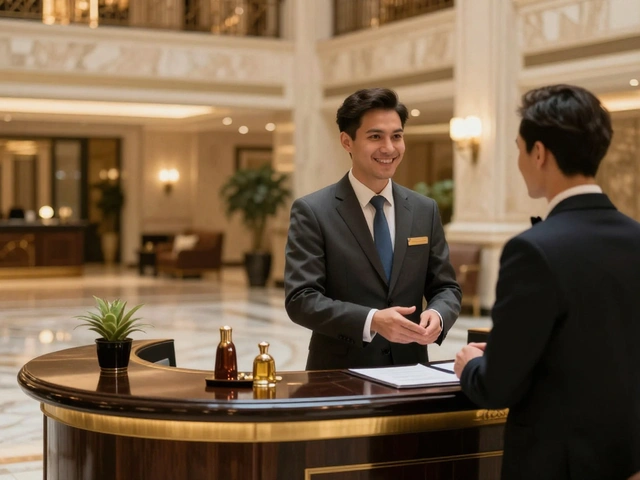
Imagine you run a high-end concierge service. A client asks you to secure a table at the hottest restaurant in town within an hour. You scramble, call every contact you have, and finally get it done in 45 minutes. The client is happy. But what happens when they ask for the same thing next week, and you take two hours? Did you fail? Or did the expectation just shift? This is exactly where Service Level Agreements (SLAs) come into play. They aren't just boring legal documents buried in contracts; they are the operational backbone that keeps your concierge business predictable, profitable, and sane.
An SLA defines the specific metrics by which your service will be measured. In the world of concierge services, where requests range from booking flights to arranging last-minute event tickets, ambiguity is your enemy. Without clear standards, "good service" becomes a moving target. One client thinks responding in ten minutes is fast; another expects three. An SLA removes the guesswork. It sets the bar so both you and your clients know exactly what "success" looks like before the work even begins.
Why Your Concierge Business Needs More Than Just Good Intentions
You might think, "I provide white-glove service. I don't need rules." That’s a dangerous mindset. While personal touch matters, scalability requires structure. If you want to grow beyond yourself or a small team, you need systems. SLAs act as those systems. They protect you from scope creep-when clients start expecting free extras because they didn’t realize their request was outside the standard package.
Consider the financial impact. Every minute your team spends chasing down a vague request is money lost. By defining response times and resolution windows, you optimize labor costs. You also reduce stress. When your staff knows the exact deadline for a hotel reservation confirmation, they can prioritize tasks effectively instead of panicking over undefined urgencies. It turns reactive chaos into proactive management.
Defining the Core Metrics That Matter
Not all metrics are created equal. Tracking everything means tracking nothing. For a concierge business, focus on metrics that directly impact client satisfaction and operational efficiency. Here are the big three you should care about:
- Response Time: How quickly do you acknowledge a new request? In luxury services, silence feels like neglect. A standard might be acknowledging receipt within 15 minutes during business hours.
- Resolution Time: How long does it take to complete the task? Booking a dinner reservation might have a 2-hour SLA, while sourcing a rare vintage wine could have a 24-hour SLA.
- Availability/Uptime: Is your service available 24/7 or only during standard hours? Be explicit. If you promise 24/7 access, missing one late-night call breaks the contract.
Don't forget accuracy. A First Contact Resolution (FCR) rate measures how often you solve issues without needing follow-up questions. High FCR indicates your intake process is solid. Low FCR suggests you’re missing critical information upfront, wasting time on back-and-forth emails.
Crafting Realistic Standards for Luxury Demands
The biggest mistake concierge businesses make is setting SLAs based on best-case scenarios rather than average performance. If you promise to book any flight in 30 minutes but it usually takes 90 due to airline system delays, you’re setting yourself up for failure. Start by measuring your current performance. What is your median response time? Set your initial SLA slightly above that, then tighten it as you improve.
Also, consider tiered SLAs. Not every client pays the same, so they shouldn’t expect identical speed. You might offer a "Platinum" tier with a 10-minute response guarantee and a "Gold" tier with a 60-minute guarantee. This creates upsell opportunities and manages expectations for lower-tier clients who might otherwise complain about slower speeds.
| Tier | Response Time | Resolution Time (Standard Task) | Availability |
|---|---|---|---|
| Basic | Within 4 hours | Within 24 hours | Mon-Fri, 9-5 |
| Premium | Within 1 hour | Within 4 hours | Mon-Sat, 8-8 |
| VIP | Within 15 minutes | Real-time / Same Day | 24/7 |

Handling Exceptions and Force Majeure
Life happens. Flights get cancelled, hotels lose reservations, and events sell out instantly. Your SLA needs escape clauses. Define what constitutes an exception. Usually, this includes external factors beyond your control, like natural disasters, government regulations, or third-party vendor failures. However, be careful not to use these loopholes too often. Clients will notice if every delay is blamed on "weather."
Transparency is key here. If a third-party vendor misses a deadline, communicate it immediately. Don't wait until the SLA window closes to say you failed. Proactive communication can often salvage the relationship even when the metric is missed. Some businesses offer service credits for missed SLAs. Decide if you’ll do this. It shows confidence in your operations, but it also puts real money on the line. Ensure your margins can handle potential penalties.
Monitoring and Reporting Performance
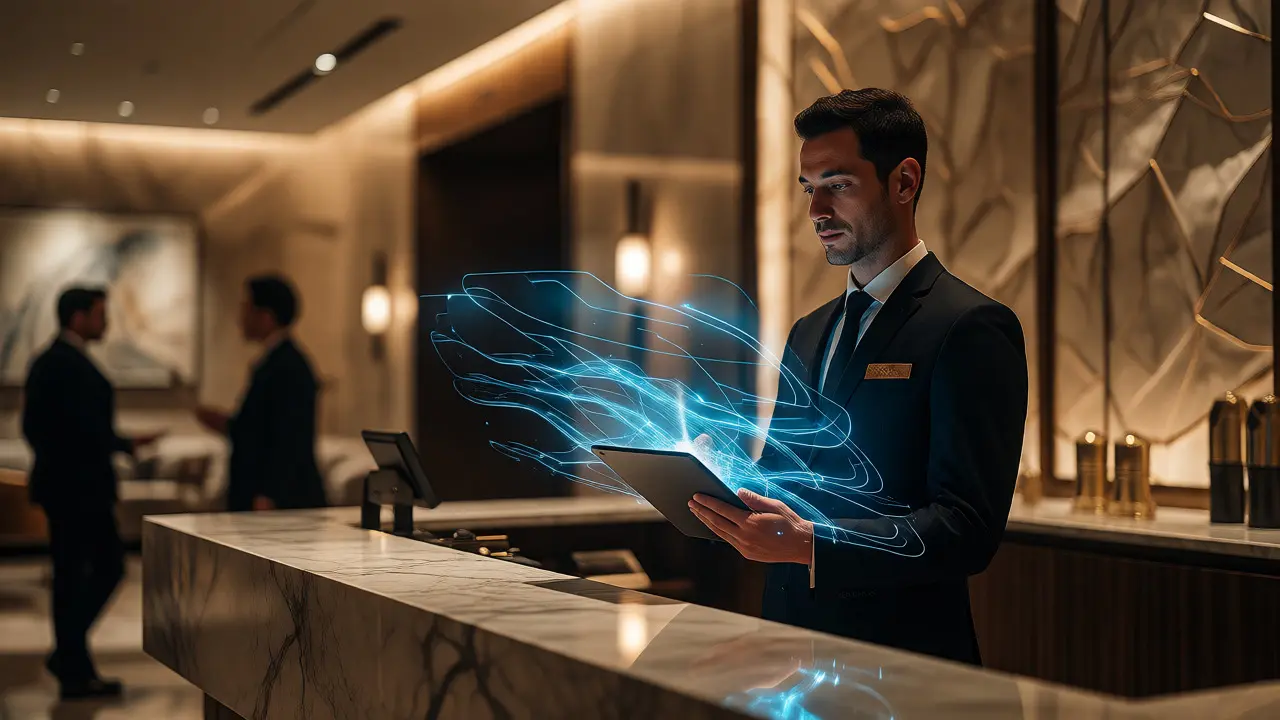
An SLA is useless if no one tracks it. You need tools to measure these metrics automatically. Spreadsheets work for small teams, but once you hit 50+ requests a day, you need software. Look for CRM platforms that integrate with ticketing systems. They should timestamp every interaction: when the request came in, when you replied, and when it was closed.
Review these reports monthly. Are you consistently hitting 95% compliance? If you’re at 80%, why? Is it staffing shortages? Software glitches? Unclear definitions? Use this data to adjust your operations. Maybe you need more staff during peak hours. Maybe you need to retrain employees on how to log tickets correctly. Continuous improvement is the goal, not just policing mistakes.

Communicating SLAs to Clients
Writing the SLA is half the battle; explaining it is the other half. Don’t bury it in fine print. Present it clearly during onboarding. Explain what happens if a metric is missed. Frame it positively: "We commit to responding within 15 minutes so you never feel ignored." Avoid legalese where possible. Use plain English.
Also, educate clients on how to submit requests properly. If they send a text message with no context, your response time might suffer because you have to ask clarifying questions. Provide templates or a portal for requests. This reduces friction and helps you meet your SLA targets more easily.
Frequently Asked Questions
What is the difference between an SLA and an SLO?
An SLA (Service Level Agreement) is a formal contract between you and your client that specifies penalties or remedies if targets are missed. An SLO (Service Level Objective) is an internal goal or target used to monitor performance. Think of the SLO as the dashboard reading and the SLA as the rulebook. You might have an internal SLO of 99% uptime, but only include a penalty clause in the SLA if uptime drops below 95%.
Should I charge extra for stricter SLAs?
Yes, absolutely. Tighter SLAs require more resources, such as additional staff on standby or faster technology infrastructure. Charging a premium for VIP tiers with 15-minute response guarantees ensures that the cost of maintaining high availability is covered by those who value it most. It also prevents lower-tier clients from demanding VIP-level speed for basic fees.
How do I handle SLA breaches caused by client delays?
Your SLA clock should pause when you are waiting on the client. For example, if you ask a client for payment details to book a ticket and they take two days to reply, those two days shouldn't count against your resolution time. Clearly define "client hold" periods in your agreement to avoid disputes over who is responsible for the delay.
Can I change my SLAs after signing a contract?
Typically, no, unless there is a mutual amendment clause in the contract. Changing SLAs mid-contract can lead to dissatisfaction if clients feel the terms are being weakened. It is better to introduce new SLA structures for new clients or upon renewal dates. Always negotiate changes openly rather than unilaterally altering the terms.
What tools help track concierge SLAs?
Specialized concierge software like Concierge Technologies or general project management tools like Asana and Monday.com can track timestamps. For larger operations, enterprise CRMs like Salesforce allow custom fields for SLA timers. The key is automation; manual tracking leads to errors and missed deadlines. Choose a tool that integrates with your email and phone systems for seamless logging.