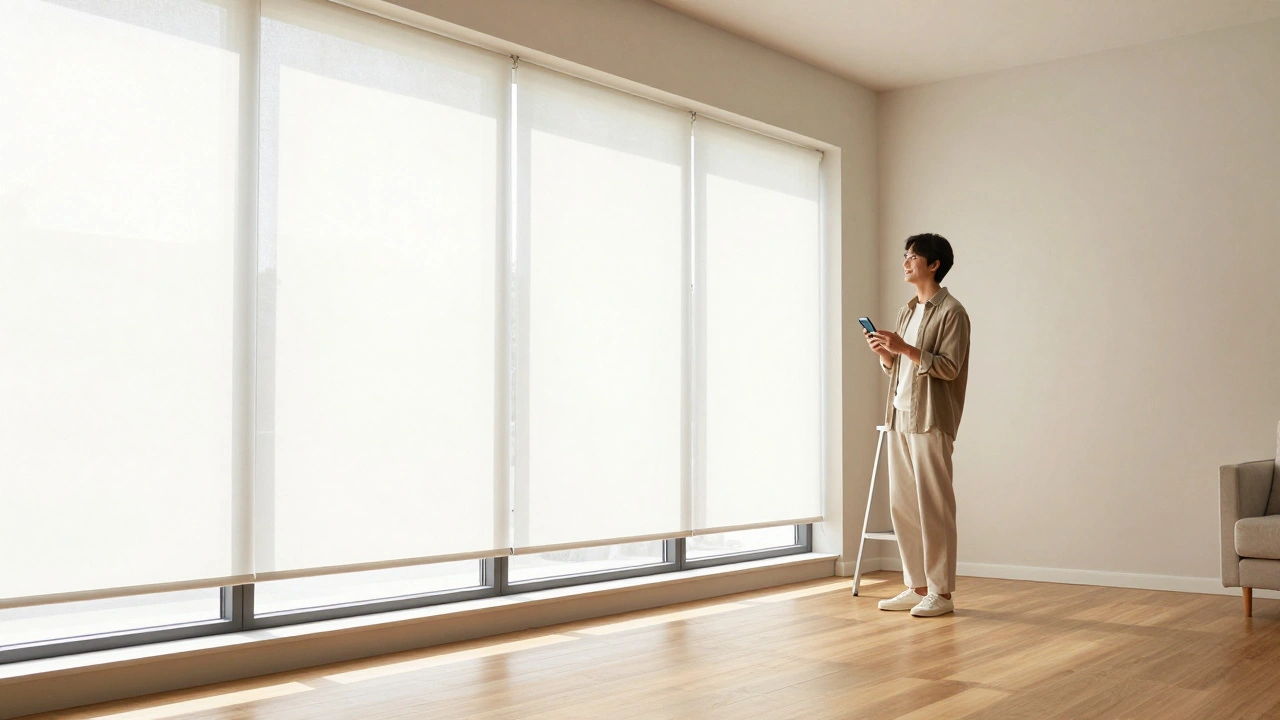
Have you ever stood in front of a floor-to-ceiling window, holding a ladder or a long pole, just to close the curtains? It’s frustrating. It’s dangerous. And honestly, it’s outdated. If you have high ceilings, skylights, or those massive patio doors that let in too much heat, manual operation is a headache waiting to happen.
This is where motorized blinds are window coverings operated by an electric motor rather than manual cords or wands. They transform your most difficult windows into simple touch-of-a-button moments. But installing them isn't just about buying a gadget; it's about solving specific architectural problems with precision engineering.
Why Manual Blinds Fail on Large Windows
Before we talk about motors, let's look at why your current setup might be failing you. Standard roller shades or vertical blinds rely on tension springs and physical pulling. On small windows, this works fine. But scale changes everything.
When a blind covers a window that is eight feet tall or wider than six feet, the weight increases significantly. A standard aluminum slat blind might weigh five pounds, but a blackout fabric shade for a double-pane sliding door can easily tip the scales at fifteen to twenty pounds. Lifting that weight every day wears out the spring mechanism faster. More importantly, the cord itself becomes a hazard. Long pull cords drape dangerously near children and pets, which is exactly why the Window Covering Safety Council pushed for cordless designs.
Then there’s the reach factor. If your ceiling is ten feet high, you need a step stool just to adjust the light. If you have a skylight or a transom window above a door frame, you likely can’t reach it without climbing onto furniture. Motorization removes the physical effort entirely. You don’t lift; you command.
Power Options: Wiring vs. Battery Power
The biggest decision you’ll face when choosing motorized blinds is how they get their energy. There are two main paths: hardwired (low voltage) and battery-powered. Each has distinct pros and cons depending on your home’s construction and your renovation plans.
| Feature | Battery Powered | Hardwired (Low Voltage) |
|---|---|---|
| Installation Difficulty | Easy (No electrical work) | Hard (Requires electrician & drywall) |
| Maintenance | Replace batteries annually | Zero maintenance |
| Aesthetics | Clean, no wires visible | Clean, but may need conduit |
| Best For | Retrofitting existing homes | New construction or major remodels |
| Cost | Lower upfront cost | Higher due to labor/wiring |
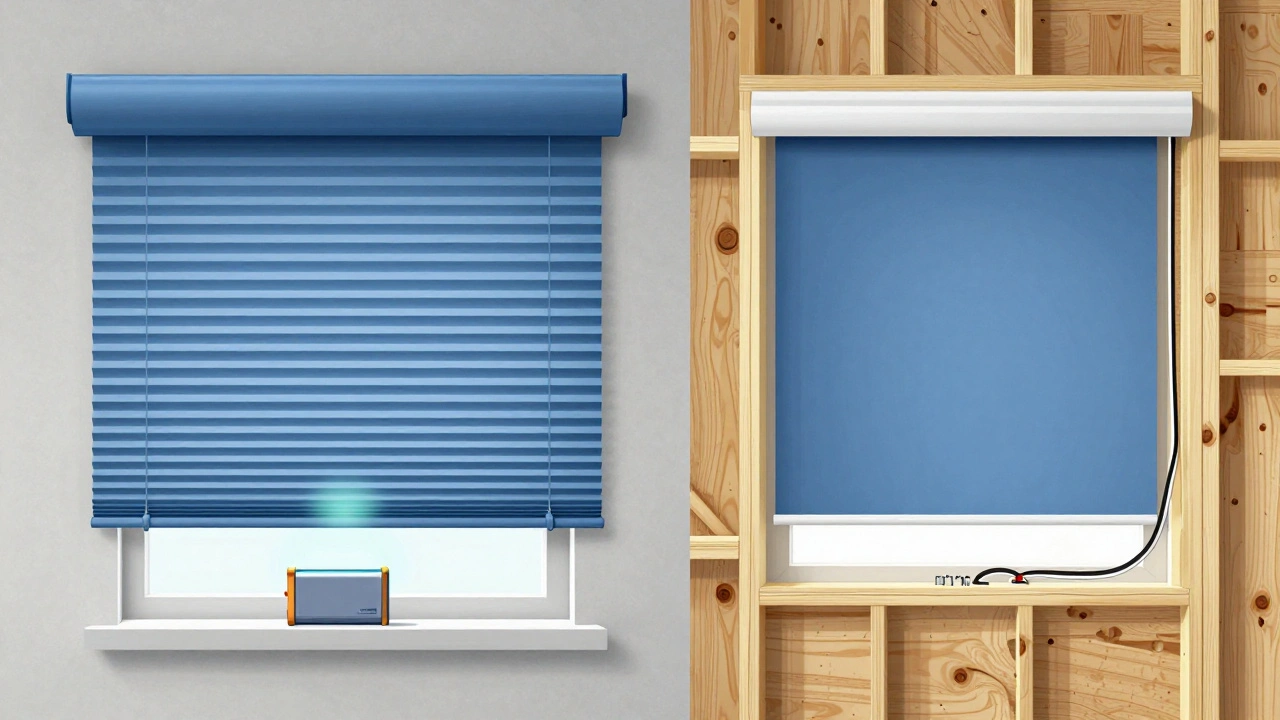
Battery-powered systems are the clear winner for most homeowners today. Modern lithium-ion batteries last between twelve and eighteen months, even with daily use. Many brands offer rechargeable options where you simply pop the battery out, plug it into a USB port, and slide it back in. This eliminates the need to cut holes in your wall or hire an electrician to run low-voltage wiring behind your drywall.
Hardwired systems, however, make sense if you are building a new home or renovating extensively. Since the power is always on, you never worry about dead batteries during a storm or a hot summer day. Some high-end setups also allow for "always-on" features like continuous lighting integration, though this is rare for standard blinds.
Control Methods: How You Operate Your Blinds
Once the blinds are powered, how do you tell them what to do? The technology here has evolved rapidly. Gone are the days of bulky remote controls that get lost in couch cushions. Today, you have several layers of control.
- Touch Switches: These are small, sleek buttons mounted directly on the wall or the headrail of the blind. They are the simplest form of automation-press once to open, press again to close. They require no Wi-Fi and work instantly.
- Remote Controls: Still useful for guests or people who prefer not to walk to the switch. Look for remotes with "scene" buttons that set specific heights (e.g., "Privacy Mode" or "Sunlight Mode").
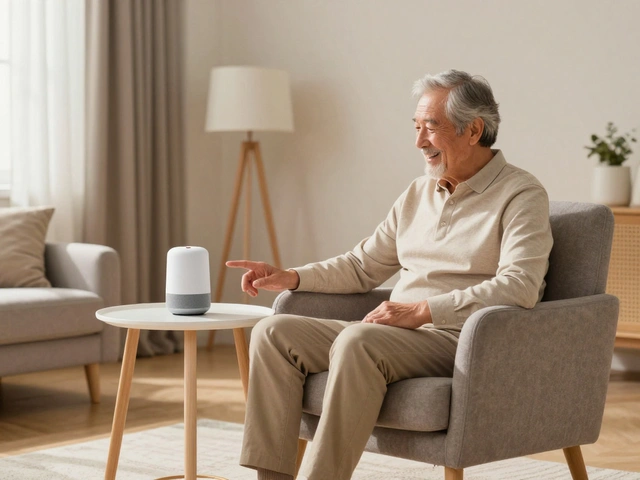
- Voice Control: Integration with Amazon Alexa, Google Assistant, or Apple HomeKit allows you to say, "Hey Google, close the living room blinds." This requires a hub or a Wi-Fi-enabled motor.
- Solar Power: For those hard-to-reach skylights or exterior-facing windows, solar-powered blinds are a game-changer. A small solar panel attached to the blind charges the battery automatically. As long as the sun shines, your blinds stay charged. It’s perfect for windows where running wires is impossible.
If you want true smart home automation, look for systems that support IFTTT (If This Then That) or native integrations. This allows you to create routines. For example, "When the smart lock detects I’ve left the house, close all blinds." Or, "When the temperature hits 80 degrees, lower the blinds to reduce AC load."
Choosing the Right Blind Type for Large Openings
Not all motorized blinds are created equal. The size and shape of your window dictate the mechanism you need. Using the wrong type can lead to sagging, uneven lifting, or motor burnout.
Roller Shades are the most common choice for large rectangular windows. They consist of a single piece of fabric wound around a tube. For wide spans (over 6 feet), ensure the motor has enough torque. Cheaper motors struggle with wide, heavy fabrics. Look for "high-torque" specifications if your window is wider than 5 feet.
Vertical Blinds remain the king of sliding glass doors and very wide commercial-style windows. Because they move side-to-side rather than up-and-down, they handle width better than height. Motorized vertical blinds eliminate the chain-pulling hassle and keep the track clean. They are ideal for patios where you want maximum airflow but occasional privacy.
Cellular (Honeycomb) Shades offer superior insulation. Their pleated structure traps air, creating a thermal barrier. This is crucial for large windows that lose heat in winter and gain it in summer. Motorizing these is slightly more complex because the fabric is bulkier, but the energy savings often pay for the upgrade over time. Studies show cellular shades can reduce heat transfer by up to 60% compared to bare glass.
Wood or Faux Wood Blinds add warmth and texture. However, wood is heavy. If you choose real wood for a large window, you must invest in a premium motor. Faux wood is lighter and more durable against humidity, making it a safer bet for motorized applications unless you’re going for a specific luxury aesthetic.
Installation Considerations for Difficult Areas
Installing motorized blinds on standard windows is straightforward. But for "difficult-to-reach" areas, planning is key. Here is what you need to consider before you buy.
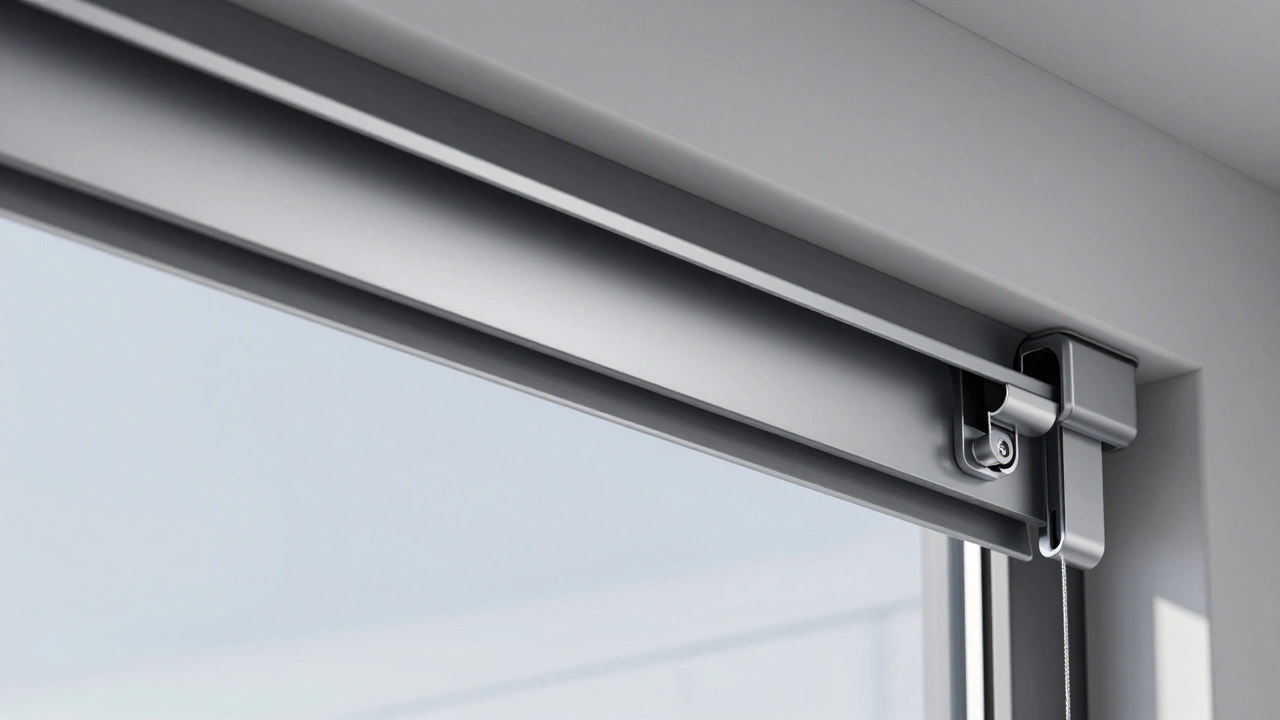
- Headrail Clearance: Motors are thicker than manual mechanisms. Measure the space inside your window casing. If you’re doing an inside mount, ensure there’s at least 3 inches of depth for the motor housing. Outside mounts usually solve this problem but expose the mechanism.
- Wi-Fi Signal Strength: If you’re using smart blinds in a far corner of the house or a detached garage, check your Wi-Fi signal. Weak signals cause lag or disconnections. Consider adding a mesh node or using Zigbee/Z-Wave protocols, which hop from device to device rather than relying solely on your router.
- Access for Maintenance: Even battery-powered blinds need attention eventually. Can you reach the headrail to replace a battery or reset the limits? If it’s a 12-foot ceiling, you might need a telescoping tool or a stable ladder. Plan for this access point.
- Light Sensors: For ultimate automation, some systems include ambient light sensors. These detect sunlight intensity and adjust the blind position automatically to maintain consistent light levels in the room. This is excellent for home offices or nurseries where glare affects screens or sleep.
Cost Expectations and Value
Motorized blinds are an investment. You aren't just paying for fabric; you're paying for electronics, software, and convenience. A basic battery-operated roller shade for a medium window might start around $150-$200 per unit. For large, custom-sized windows with premium fabrics and smart integration, prices can range from $400 to $800 per window.
However, consider the value. If you spend $500 on a motorized blind that lasts ten years, that’s $50 a year for effortless operation. Add in the energy savings from reduced HVAC usage (especially with cellular shades), and the ROI becomes clearer. Plus, motorized blinds increase home resale value by modernizing the property’s tech profile.
Don’t overlook installation costs. DIY is possible for battery models if you’re comfortable with drills and measurements. Professional installation ensures perfect alignment and proper programming of limit switches (so the blind doesn’t crash into the sill). For complex setups involving multiple windows synced together, professional help is worth the extra fee.
Troubleshooting Common Issues
Even the best systems can hiccup. Here are quick fixes for common problems:
- Blind stops halfway: This usually means the limit switches are misaligned. Most apps allow you to "teach" the open and closed positions again. Follow the calibration steps in your manual.
- Unresponsive to voice commands: Check your internet connection. Restart your smart hub. Ensure the blind is still paired with the correct group in your app.
- Battery drains quickly: Cold temperatures drain lithium batteries faster. If your window is unheated (like a sunroom), expect shorter battery life in winter. Also, frequent partial adjustments use more power than full open/close cycles.
Upgrading to motorized blinds isn't just about looking cool. It’s about reclaiming your time, improving safety, and enhancing comfort in spaces that were previously inconvenient. Whether it’s blocking the morning sun in your bedroom or closing the patio doors while you’re cooking dinner, automation makes your home work for you, not the other way around.
Are motorized blinds worth the extra cost?
Yes, especially for large or hard-to-reach windows. The convenience, safety (no dangling cords), and potential energy savings justify the higher upfront price. For standard small windows, manual options may suffice, but for anything over 6 feet wide or 8 feet high, motorization is highly recommended.
Do motorized blinds work during a power outage?
Battery-powered blinds will continue to work normally since they don't rely on household electricity. Hardwired blinds will stop working unless you have a backup generator or UPS system powering the low-voltage circuit. Most smart hubs also lose connection during outages, so voice control may fail until power returns.
Can I install motorized blinds myself?
Yes, if you choose battery-powered models and are comfortable using a drill. Installation involves mounting brackets and attaching the headrail. Programming the limits and connecting to Wi-Fi is done via an app. However, for hardwired installations or complex multi-window setups, hiring a professional ensures safety and proper alignment.
What is the best type of blind for a sliding glass door?
Vertical blinds are traditionally best for sliding doors because they stack neatly to the side and handle wide widths well. However, motorized roller shades are becoming popular for a cleaner, modern look. Choose based on whether you prefer horizontal stacking (vertical blinds) or a flat surface (roller shades).
How long do batteries last in motorized blinds?
Most lithium-ion batteries last between 12 to 18 months with daily use. Solar-powered blinds can last indefinitely as long as they receive sufficient sunlight. Rechargeable batteries are convenient, while disposable ones are easier to swap out without tools.